G’day team, hope you’re all well. The cinema feels bleak at the moment. Don’t get me wrong, there is always something good out there if you venture beyond the multiplex (and in the case of treats like Bring Her Back or 28 Days Later, inside the multiplex isn’t without its gems), but I do feel overwhelmed by it all. If you look at a list of the highest grossing films of the year, it’s mainly slop. Thank God for Sinners, otherwise it might be entirely slop. It’s not just that it’s franchise films, as I mentioned I loved 28 Years Later and we are about to discuss some other franchise films. But the endless stream of live action remakes of animated films feels particularly bleak, an endeavour that says that not only will audiences be getting the same stories we’ve already seen, but the same stories told with less visual flair and creativity. Blergh. So! Let’s avert our eyes. If we give up on the future of cinema we give up on life and I remain ecstatic for what is to come. We should celebrate that.
Below are seven films (and seven honourable mentions because I’m a lousy cheat) that are currently expected or confirmed to premiere at a film festival before the end of the year, or to otherwise be released in a normal fashion. I’m sticking to films no one has seen yet, so nothing from Sundance or Cannes, and it may be that some of these films don’t come out in 2025, but I’m hoping that the autumn film festivals line up in a way that means I can catch at least a few of them early. It’s selfish, but so is writing. There’s also a chance that some of these films simply won’t materialise this year, such are the random odds we bet with. In addition to all of that, this isn’t a list of awards predictions or anything, not when there’s a new Wicked film and a new Edward Berger film absent from the list. Believe me, we will soon be barrelling headfirst into the exhaustion of awards season and I am obviously incredibly excited. I think that’s all the housekeeping done, shall we chat movies?
The Thursday Murder Club
Big shout out to my girlfriend with this one, she introduced me to the Richard Osman penned series of books and we’ve both become smitten. Though the big red Netflix logo causes some worry, news of a small cinematic release has soothed my nerves, as has the phenomenal cast list.
The Naked Gun (2025)
It’s important to be a little crazy here, to allow yourself to be excited for a Naked Gun reboot. However, when it comes from one of the members of The Lonely Island and features the underrated comedy chops of Liam Neeson, I cannot help but be cautiously optimistic.
The Testament of Anne Lee
From one of the writers of The Brutalist comes a musical epic about a cult leader played by Amanda Seyfried. It sounds just bonkers enough to work, I am rooting for Fastvold to create one of those musicals that is crazy enough to entice me.
Dracula (2025)
Do Not Expect Too Much From The End of the World was the kind of pretentious, artsy, annoying film that made me fall back in love with cinema as an art form. Radu Jude’s new film, currently called Dracula, promises more of the same formal brilliance though potentially with added genre fixings.
One Battle After Another
It’s the new Paul Thomas Anderson film. I don’t need to say any more. The only reason it’s not higher on the list is that PTA films aren’t at their best right after you see them, but rather a few years on. So, I’m really excited for One Battle After Another but even more excited for how I’ll feel in two years.
TRON: Ares
I am duty bound to be excited about a third Tron movie, just as I am duty bound to be a little let down by it. It is my great Monkey’s Paw film this year. On the one hand, I return to the beautiful neon world of Tron. On the other, Jared Leto stars. So it goes.
A House of Dynamite
Kathryn Bigelow returns after an 8 year absence and I am jazzed. I know the response to Detroit was poor but hopefully she’s back on track here, with a single location political thriller, something that is completely my jam already.
Honourable mentions down, into seven big ones!
7. Frankenstein (2025)
For years, Guillermo Del Toro has wanted to direct an adaption of Mary Shelley’s Frankenstein. This year, he finally gets to make that dream come true, and in the process hopefully make me a gleeful little guy. See, I studied Frankenstein twice during my time in academia and while it was never a novel that particularly moved me, it’s one whose themes I really love. Big ideas like the sublime, doppelgangers and homosocial men are ones that I saw in almost every book I studied afterwards and in a strange way, I think the book has probably had a similar impact on me as it did Del Toro. Frankenstein is also notoriously one of those books that is always adapted wrong and that leaves us with two options for this film. Either Del Toro slavishly and faithfully adapts this weird story or he goes completely off the rails and tells a very different story. With a director as bold and visually inventive as him, both options are the right option in my book. The only real worry is that, with this being a Netflix film, a theatrical release isn’t guaranteed, which would be a shame as Del Toro’s visual flair is wasted on anything less than the silver screen.
6. The Smashing Machine
The Safdie Brothers are back, but this time as individuals. After their work on Uncut Gems, I really was ready to follow the pair anywhere, so I’m interested to see if their solo projects come close to the excellence of their collaboration. Benny Safdie’s directorial effort is a story based on the real life of UFC fighter Mark Kerr, a story that I know pretty much nothing about. There’s a few things at play here that make me both excited and cautious for the film. On the one hand, the last big wrestling biopic we got was The Iron Claw, the designated film every two or three years that wrings my tear ducts like a wet towel. Loved it, devastating stuff. On the other hand, it’s a biopic. The genre always puts my hair on end and it takes a master to make something halfway decent with the material (again, see The Iron Claw). Whether Benny Safdie has the sauce on his own remains to be seen, as does the acting prowess of Dwayne Johnson. I’m a bigger fan of him than most, but you’d be hard pushed to say he’s showed much range in his career. I want to be proved wrong, but The Smashing Machine can’t be higher up the list because I worry I’m right.
5. Bugonia
Yorgos Lanthimos is back, obviously with Emma Stone in tow. This is now the pair’s fourth feature in a row together (not including a mysterious short film that is only to be played with a live score) and so far, I think they’ve not missed. Sure, Kinds of Kindness wasn’t to everyone’s taste, but I still found plenty to love, and both The Favourite and Poor Things were phenomenal. Basically, even after one film that divided audiences, it’s still undeniable that a new Yorgos Lanthimos film is an event. This time though, he’s adapting a South Korean film called Save the Green Planet!, a film I’ve not seen yet but it has been on my watchlist for years. The film follows two workers who believe that a CEO may secretly be an alien in disguise and so decide to kidnap and torture her. Jesse Plemons also stars and he is another one of those actors who I will follow anywhere, he just seems incapable of giving a bad performance right now. Given the source material and the plot, expect violence, social commentary and a sick feeling in the pit of your stomach. In other words, hooray, another Yorgos Lanthimos film!
4. Wake Up Dead Man: A Knives Out Mystery
If Thursday Murder Club doesn’t satiate your appetite for cosy murder mysteries, you are in luck. Rian Johnson returns for his third Knives Out film, this time with the subtitle Wake Up Dead Man. Both the previous Knives Out films were an absolute blast at the cinema, and I do find myself in a murder mystery fix right now having just watched The Last of Sheila, itself a film that was a huge inspiration to Glass Onion. Johnson understands so well how to construct a deeply satisfying mystery that rewards you no matter how closely you followed the pieces, as well as films that are simply very funny. The plot for Wake Up Dead Man remains a closely guarded secret, so who knows where Johnson is taking us, but his cast instils a great deal of confidence in me. To just skim some of my favourites, Cailee Spaeny, Andrew Scott and loveable mouse man Josh O’Connor are here, presumably about to have a hell of a lot of fun on screen. Daniel Craig returns too, of course, in a role that seems to have breathed a lot of life back into him, an infectious joy that spreads across the screen. My only quibble here is, I hope Netflix give this a better cinema release than Glass Onion. Onion was released in cinemas for about a week, packed in the crowds, and then disappeared onto Netflix, hoping people would find it over Christmas. Wake Up Dead Man is already confirmed to be opening London Film Festival, but these are films that need a wide cinematic audience and I hope Netflix finally wakes up to that.
3. No Other Choice
Bong Joon-Ho may have broken down the doors for Korean cinema in English speaking countries, but Park Chan-Wook has been making films that are just as worth your time for just as long as director Bong has. For the uninitiated, I can name drop films like Oldboy, The Handmaiden and Decision to Leave as films to remind you that director Park is one of the best directors working today. Naturally, any new project from him is one to watch even without any additional information. All we know (or rather, all I’m willing to know) is that this is a vicious tale of financial greed and climbing the corporate ladder at any cost. Decision to Leave saw Park Chan-Wook at a dizzying level of romance, twisting the darkness of his tales into something beautiful, though never forgetting that this beauty was made of this darkness. I don’t know how to feel about the implication that we return headlong into darkness again. On the one hand, Decision was such a sweet treat of a film, but on the other I am ready for something slightly less wholesome. Bring back the twisted mind behind the Vengeance Trilogy, make me wince. Ruin my day director Park, I dare you.
2. After the Hunt
I could almost do a top 7 list on reasons there are to be excited for After the Hunt. Luca Guadagnino remains a director whose films are not to be missed because even as someone who felt emotionally disoriented inside the lush world of Queer, I am also someone who has started thinking of Challengers as a load bearing film. His films are all unique journeys, equally sensuous but diverse in their emotional kick. Where this new one lands is unclear. The plot focusses on a university professor who has to face some dark secrets after a colleague is accused of wrongdoing by a student, which has already led people to start saying this is “Luca Guadagnino’s cancel culture movie”. This is only a reflection of how no one is able to talk about films normally anymore, because I trust Guadagnino to weave his way through this murky topic. Extra trust is also afforded as he has recruited Julia Roberts, Ayo Edeberi and Andrew Garfield to star. Bonkers. I have an additional reason to be excited as the film was partially shot in Cambridge (which led to cast and crew popping in to see films at my old workplace), so I’m expecting some beautiful shots of Cambridge colleges and maybe also streets I’ve seen my mates throw up on. What a treat.
1. Marty Supreme
The Safdie Brothers are back, but this time as individuals. After their work on Uncut Gems, I really was ready to follow the pair anywhere, so I’m interested to see if their solo projects come close to the excellence of their… Hang on, didn’t we already do this? Yes, we did, five places lower on the list. So what is it about Josh Safdie’s film that makes me so much more excited than the one his brother has made? To me, Marty Supreme seems to conceptually capture the Uncut Gems magic. It’s about an oddball going on a small journey made epic by their own oddness. Safdie reunites with his regular cinematographer, editor and casting director (the latter two, in fairness, are also working on The Smashing Machine.) The cast is bizarre. On the one hand, Timothée Chalamet stars, a cine-literate movie star working with a director he loves. On the other, Tyler, The Creator, Penn Jilette (from Penn & Teller) and Abel Ferrara also star. As a wise man once said “hang on, what?” It was one of the things I loved about Uncut Gems, as well as the lower key Good Time, that just conceptually you felt like you’d been whacked on the head by a big mallet and were dreaming the whole thing. The release date comforts me too, that the distributors are already confident enough in the film to give it a prime Christmas release date, as opposed to The Smashing Machine opening earlier in October. It is going to be where I find myself this Boxing Day, as I prepare to once again feel very anxious for two hours and then sound insane when I tell everyone I had a great time.
Hello! This was an introduction I wrote for the inaugural Breakfast Film Club screening at Towner Eastbourne on 14th June 2025. It all went well and we had a lovely time, with two more screenings coming up over the Summer. For preservations sake and for those who weren’t able to attend, you’ll find my script below for my intro. It is rough and ready as I was using it as a basis but hopefully you’ll enjoy it for what it is!
Good morning and thank you so much for coming out to our inaugural Saturday Breakfast Film Club! My name is Henry Jordan and I’m one of the duty managers here at Towner. I do a lot of work alongside the cinema here so you may have seen my face around. I’m also a freelance writer and I have a first class degree in Film Studies and English from University of Exeter, where I specialised in contemporary literature and surrealist films.
Today, we’re screening a selection of films from the filmmaker Germaine Dulac, starting with The Seashell and the Clergyman before her short films Themes and Variations, Cinegraphic Study on an Arabesque and Disque 957. Dulac began making films before wide understanding of the word surrealism, hence why she is often referred to as both an abstract and a surrealist artist, fitting into both, either and neither categories. For those who may not know, Surrealism itself is first coined as a word in 1917 by Guillaume Apollinaire, though we really start thinking of Surrealism as a movement in 1924 with the publishing of the two manifestoes of Surrealism. The first is released by a school of artists who claim to be successors to Apollinaire, and the second, released just two weeks later, is spearheaded by Andre Breton alongside artists like Man Ray, Salvador Dali and Marcel Duchamp. It is Breton’s we typically refer to these days, as the language of his manifesto is both the most potent and the most malleable of the two. You may already be familiar with Breton’s definition of Surrealism, in which he describes the movement as art that evokes “the actual functioning of thought. Dictated by the thought, in the absence of any control exercised by reason, exempt from any aesthetic or moral concern.”
Breton here is describing art that is expressing images and logic from the subconscious, often inhabiting the world of the dreamlike, which makes sense when you consider Surrealism’s precursor Dadaism, a movement centered around nonsense and no-sense, as well as the growing popularity of the work of Sigmund Freud and his psychoanalysis of dreams. Breton’s description of surrealist art as dreamlike is still one of those ideas that has transcended to today, it’s often one of those things that causes us to see a film and go “that was a bit surreal”. However, I do want to complicate Breton’s idea that this was art exempt from “moral concern”. These manifestos are written by outsiders, but still outsiders who were wealthy white men. They felt no need to engage in the moral concern of politics, which is obviously a stance that is retroactively worrying in 1920s Europe. If you’re coming to the screening of Daisies, put a pin in that idea of Surrealism as being exempt from any moral concern, Chytilová’s film is very engaged with ideas of moral concern, in between the food fights and beheadings, though I suppose to some that is of concern.
It is worth remembering about the earlier days of the Surrealist movement that it is very male. There are female artists and gender non-conforming artists who exist and make great art but are left by the wayside as this boys club starts to really pick up steam. Surrealism gets stuck in the thing that many art movements do, where the men are the artists, the women are the muses and ironically for a movement that is so focused on upending convention, there is little room for fluidity in that. I’ll offer some further recommendations before we begin the screening but this regressive attitude meant that works by great artists like Claude Cahun, Leonora Carrington and Maya Deren have required critical revaluations over the century, usually after the artist’s death, to reach the esteem they are now held in. Even today, you see this erasure. While trawling YouTube, I found that someone had commented under one of Dulac’s shorts how much they love Jean Cocteau, and are rightly corrected that while Cocteau’s work is wonderful, he has nothing to do with the project. Fortunately, today we do get to celebrate an artist who did receive her flowers in her time, with Germaine Dulac. She begins making her short films before the Surrealism manifestoes are published, with her earliest known film being released in 1915, obviously complicating her place in the movement.
Anyway, she is making shorts for the next decade or so, including an adaptation of The Lais of Marie De France, but the films we’re watching today are all from the tail end of the twenties. When she released The Seashell and The Clergyman in 1928, she released it one year before Un Chien Andalou, hence why hers is often considered the first true Surrealist film as it predates the most influential. The title is contentious, not least because Dulac comes from the world of the cinematic Impressionists and not the Surrealists, but it hopefully puts into perspective for you how groundbreaking the films you’re about to watch are. Ironically, even at the time the film was overshadowed by Bunuel and Dali’s film, despite the fact that techniques that Un Chien used and was praised for using also appear in Dulac’s film. Still, there is some consolation, in that even the criticisms of the film accurately appraise Dulac’s work. The British Board of Film Censors, better known today as the BBFC, reported that the film was “so cryptic as to be almost meaningless. If there is a meaning, it is doubtless objectionable”. When you’re viewing the films today, see how doubtlessly objectionable you find the meaning.
For me, I think they pull this idea of objectionability from the abstraction of the body. We’re not quite in the era of film censorship here but we see in Seashell similar tactics, in which ideas are explored through metaphor and allusion. We’re presented with these opposing images, with the phallic power of the sabre and the yonic draw of the seashell in frequent contrast to each other. Perhaps Dulac simply liked sword fighting and enjoyed trips to the seaside. Perhaps you too find these images objectionable. With surrealism, there is only one answer that matters and it’s the answer you feel.
Once synchronous sound made its way into cinema, Dulac drifted away from the medium, mainly making newsreels for companies like Gaumont and Pathe. However, she was awarded the Legion of Honour in 1929 for recognition of her contributions to the French film industry. It would be many years until her work was as well respected internationally as it was nationally but it remains an important footnote, that she did receive the highest honour that a French citizen can receive for her work, and did so while in the height of her career.
So, what does this have to do with Paule Vezelay? Well, let me draw your attention to the quote that greets you when entering the exhibition. Vezelay says of her art “I hope to give intense pleasure to the eye of the beholder… (with) colours and forms more pleasing than can easily be found in actuality”. Though Vezelay was not a surrealist, of course neither was Dulac, so it feels harmonious that their works made alongside Surrealism can be drawn together by the strands of the movement. You’ll see this aspect more in the short films at the end of this program, in which Dulac really does get abstract with shape and form, creating the illusion of movement through a form in which that illusion is no longer required. I love that idea Vezelay brings up though, of colours and forms more pleasing than can be found in actuality. That’s the magic of cinema in it’s purest form, in getting to experience pure visual pleasure for nothing more than the sake of pleasure. These films today are a very refined version of that and it’s a form of pleasure in cinema that I think we often lose once cinema chains itself down with narrative, sound and character.
Alongside the visual pleasure, I encourage you to explore the film through these themes, of gender power dynamics, of sexuality, of dream logic. I also encourage you to detach from this if you want. I love surrealism because of the emotional sense it makes to me and I implore you, if it stops making narrative, thematic or structural sense to you, explore the film emotionally.
Before I wrap up, one of the things that I think is so wonderful about this screening today is the soundtrack that is going to accompany it. The Seashell and the Clergyman is part of this era of film we call silent film, but none of these films were ever truly silent. They didn’t have synchronous sound until the late 1920s and even then, it took a while for cinemas to get fitted for this new technology. So, before the “talkie”, cinemas experimented. Many would have their own in-house musicians who would play music live to accompany the film, and we still see the relics of this in touring artists like The Dodge Brothers and Hugo Max or in the preservation of instruments like The Mighty Wurlitzer Theatre Organ in the Tampa Theatre in Florida. However, many would simply do as we are doing and play music off a record. Today, we’re lucky enough to have music from the band In The Nursery, who have made many musical accompaniments to silent films as varied as Man With a Movie Camera and The Fall of the House of Usher. Their score for Seashell is really special and has helped enrich my own appreciation of the film. The score was released in 2019 and so it is decidedly modern, owing a clear debt to David Lynch’s longtime collaborator Angelo Badalamenti, whose work you may know from Twin Peaks and Mulholland Drive. The score is a mercurial thing, that has elements of threat but also elements of beauty and something unattainably grand. In concert with the images on screen, it makes something magical and again, if you feel the film losing you, lean into the music and you will find yourself returning before long.
If you want any quick recommendations of where to go after this viewing, I would always recommend the short films of Maya Deren, particularly her seminal Meshes of the Afternoon, and if you’re after more silent surrealism, The Life and Death of 9413, A Hollywood Extra, also from 1928, is a delight. Honestly though, this is such a fruitful era for Surrealism, you could pick any name I’ve mentioned today, zero in on them and vanish down a dreamy rabbit hole.
We’re really excited to be programming this selection of films to enhance your experience with our current exhibitions of Sussex Modernism and Paule Vézelay Living Lines. Whether you’ve already seen the exhibitions or you’re planning to after this screening, I hope that these films compliment your time upstairs and vice versa. If you enjoy today’s screening, please do tell your friends and do also tell us! We have two more of these screenings currently on sale if you’re interested in seeing more. One is for Borderline on 12th July which will be introduced by Dr Hope Wolf, who has curated our Sussex Modernism exhibition, and the other is Daisies on 13th September, which will again be introduced by me. These have all been organised and put together by my colleague Emily Medd, she’s done a fantastic job getting all the moving pieces together and we wouldn’t be doing any of these screenings without her. If you enjoy them, hopefully that gives us the chance to put on even more of these with future exhibitions, so please do talk to us after the screening. But for now, please. Get comfortable, get ready and get excited for Germaine Dulac and her cabinet of abstract delights.
You were probably expecting me to review something really big this week. Maybe you wanted me to lavish praise on the final Mission Impossible film, maybe you wanted me to slate the live action Lilo and Stitch, or maybe you wanted me to get all giddy over The Phoenician Scheme— the latest box of treats from Wes Anderson. Instead, I am talking about Hurry Up Tomorrow, one of the worst reviewed films of the year, and I am hoping to make you change your mind on it.
If you’ve heard of Hurry Up Tomorrow, you’ve heard of it for one of three reasons. The first reason would be that you’re a fan of the director Trey Edward Shults, whose last two films (It Comes at Night and Waves) were divisive cinematic treats that I hold dear. Second, maybe you’re a fan of The Weeknd, whose musical career has gone from strength to strength as his acting career has… well, has gone from Uncut Gems to The Idol. Third reason, and probably the biggest, you’ve seen the reviews. I would not recommend Rotten Tomatoes as a yardstick for film quality, but if you do subscribe to those sorts of ideas, the film is rated lower than anything else currently in cinemas, at 16%. If I’m honest, I’m baffled by that. Hurry Up is certainly a film I expected to be divisive, but 16% feels plain incorrect. Art is subjective, blah blah blah, but did everyone watch the same film I did?
The plot is, to be fair, not exactly complex. We follow Abel, as a fictionalised version of The Weeknd (played by Abel Tesfaye, a real version of The Weeknd), while he begins to lose himself on tour. He is having problems with his voice and his manager (a skeezy Barry Keoghan) is interested only in money and drugs, all the while Abel is caught up thinking about his ex-girlfriend who he did wrong. At the same time, we follow a mysterious woman (Jenna Ortega, whose agent is randomly picking her roles with shotgun precision), a character wrapped in mystery, containing many mysteries. She’s quite mysterious. Our first glimpse of her is while she is burning down a house, and it becomes apparent shortly after that she is set on a collision course with Abel.
What follows is hardly a ground-breaking narrative. Even in the domain of nocturnal odyssey films (think Good Time or After Hours), the plot is low-key and you know exactly which films are inspiring particular narrative beats. What we get by the end is quite metaphorical and quite interpretive, which may be the first issue people have with it. Without a traditional narrative to follow from start to finish, lots of viewers may struggle to engage at all with the events on screen, and may never engage with the film on a deeper level. I don’t mean this to sound like a superiority thing, but I don’t think everyone is expecting a film that strays from the path of the typical narrative and veers this excitingly into the interpretive.
One criticism I have seen of the film is the performances. People still hate Tesfaye’s acting from his work on The Idol and I think it’s colouring how his performance is being seen. As will be a theme through this review, I’m not going to try and tell you that Tesfaye is a secret genius and is giving the best performance of the year. He’s not, he is not even one of the two best performances in this film that has three performances. However, he is compelling as a pathetic popstar who is losing focus on his place in the world. The Weeknd looks like a loser in this film, a loser you believe in because he’s so pathetic. That doesn’t work without Tesfaye at least putting in decent work and we overestimate how hard it is to play yourself.
He acts opposite Jenna Ortega who… who I now realise I’m ambivalent on. I’ve seen her in quite a few things now but she’s never stood out to me, positively or negatively. She’s never made a project worse by being in it, but she is never the best thing in a film. That’s the case again here; she performs well and is mainly a compellingly blank slate for the cinematography and score to create meaning with, which I am so excited to get to, in just a minute, hold on for me.
I also want to briefly chat Barry Keoghan, who gives my favourite performance in Hurry Up. He plays Abel’s manager and friend, doing a compelling job at being absolutely terrible at both. We all know Keoghan can play rancid little freaks and the streak continues here, big thumbs up from me, good on ya lad.
Alright, let me really lavish some praise on this before I have to admit this isn’t perfect and I can’t be an unstoppable contrarian. The cinematography in Hurry Up Tomorrow is absolutely awesome. The film expands on the previous style for Shults’ films, particularly Waves, though this time with a new director of photography in Chayse Irvin (Shults’ regular DP Drew Daniels was working on Anora, so don’t worry, he’s doing fine). Irvin has one of the most fascinating filmographies I’ve seen in a while. In the last decade alone, he has worked on BlacKkKlansman, Lemonade and Blonde. A well respected crime caper, a genre shaping visual album and a biopic that is widely hated. What do we do with that? Blonde is such an interesting footnote here too, a polarising film yet one that has a distinctive and powerful visual language, for better and for worse. I’m getting a little side-tracked but my point is: it’s really interesting that Irvin seems to be building a reputation as being a great cinematographer in films that people detest.
I guess Hurry Up is on that list. The swirling and spinning camera is an expansion on Waves, in which the camera would often be plonked in the middle of a scene and just spin around, catching all the characters doing their thing. There’s lots of that here; shots are super fluid and we’re launched around the set through them, never getting a sense of sure footing. For some, I can see how this is annoying and bad. These people are either cowards, suffer from motion sickness, or just don’t get what we’re doing here — only one of these things is a valid excuse. Surely if you’re watching the film as a Shults fan, this is him pushing his cinematography in new and exciting ways? How am I the only one seeing that?
What did you all think this was going to be? To me, this feels like a Trey Edward Shults film. I am a fan of his work and I felt satisfied with the way that he and his collaborators are in conversation with the work they’ve done before, expanding upon and commenting on it. Am I the crazy one for spotting that?
The score is bonkers stuff too. Daniel Lopatin (in collaboration with Tesfaye) is here on business after demolishing both my ears and heart with his work on Good Time and Uncut Gems. The latter is an important touchstone, as many have noted, because it stars Tesfaye playing a fictionalised version of himself in full The Weeknd “weird hair, don’t care” era. Since then, Tesfaye and Lopatin have worked together on a few The Weeknd albums, starting with After Hours, which came out only a few months after Uncut Gems. They’ve got a good working relationship; I like these last three albums and I’m glad they get to keep doing their thing together. Lopatin knows what he’s doing with the score here, and is it evocative of his work with the Safdie brothers? Sure. But it also works as a standalone thing and I dug it.
One really interesting thing about the score though is that it’s also the new album from The Weeknd. We enter a curious ouroboros situation here where it’s not clear where the album starts and the film ends. Versions of songs without vocals appear as the score and the live performances are of songs from the new album, with none of the biggest The Weeknd songs appearing until a very specific moment. More on that later. Personally? Love that. I listened to the album before seeing the film and the two fit together snugly, these bleak little nocturnal odysseys that spin out into different places. Which all leads me to ask: what did you all think this was going to be? To me, this feels like a Trey Edward Shults film. I am a fan of his work and I felt satisfied with the way that he and his collaborators are in conversation with the work they’ve done before, expanding upon and commenting on it. Am I the crazy one for spotting that?
To be fair, to be rational, to be less of a Gogo’s Crazy Bones about this, I’m not going to argue that the film is some perfect masterpiece. It is flawed in some big ways. The third act goes quite abstract and while I always enjoy when a plot becomes abstract, I need something emotional to latch onto. I was doing a lot of thinking during the third act but I wish I was doing more feeling. It’s a big old metaphor of a film and that’s cool, but that doesn’t mean it can’t be something else at the same time. It also pales in comparison to other thematically and narratively similar films. If you want to see an artist playing themselves and playing their music in a world of fiction, it doesn’t reach the heights of True Stories. If you want to see an examination of how the world chews up its music icons, and how they might eventually come to deserve it, Vox Lux remains a singular piece of art. If you just want to see The Weeknd suffer, we will always have Uncut Gems. There’s all of that… And then there’s also the scene. A scene that has required me to lazily use an ellipsis for a third time like some hack fraud writer. This next bit will go into spoilers, so skip the next section if you want to remain unspoiled.
Spoilers lie below, so tread carefully. But if you’re still here, let me tell you about the scene. In the third act of the film, Jenna Ortega’s character has kidnapped The Weeknd and has tied him up on a bed. What does she do with him in this moment? Naturally, she monologues to him, American Psycho style, about how much she loves his songs. Cue extended dance scenes and explanations of the songs “Blinding Lights” and “Gasoline” as a gagged and bound Abel stares on in a divine cocktail of fear, confusion and awe. As I watched this scene in the cinema, I felt like I was levitating. This is an unbelievably crazy swing and I was so happy to follow the film at this moment. If you’re already not on board, I see how you could be repelled, but I was only drawn further in. I was reminded of a scene from Under the Silver Lake (another polarising film from a cult A24 director) in which Andrew Garfield’s character meets an old man who claims to have written all the biggest songs of the past five decades. You’re so busy being baffled at what the film is doing that you allow the music to wash over you and do the magic. They’re really big scenes that take really big swings and really dictate how the rest of the film works for you.
I am left feeling that we have become too cynical as a people. I understand that we enjoyed making fun of everyone involved with The Idol. I rewatch videos talking about it regularly too; I’m only human (Mic the Snare’s video is obviously the cream of the crop.) But Lily-Rose Depp got to earn her indie cred in Nosferatu, Troye Sivan’s new album was widely celebrated, and Da’Vine Joy Randolph won an Oscar. All three are great performers, they deserve it, but if we’re ready to forgive those involved in The Idol, does Abel Tesfaye not deserve to be included in that? If we just need to have a man to blame for The Idol, Sam Levinson is right there, trying to scurry back to make more Euphoria. Condemning this film because he’s in it means people go into this film loaded with irony, ready to hate the interesting risks the film takes.
Are you seriously telling me we should be dunking on a film like this when the live action Lilo and Stitch is out? This is where our ire is going? Grow up man, sick of it. Go to the movies, take a risk, dare to open your heart to something new. Or, if you really want, let our corporate overlords take over and never have to dare to feel something interesting again. Your choice. Hurry Up Tomorrow is this unique feature that somehow made it to the multiplex and our mockery of it means we’ll be unlikely to see similar again. Banger movie, Henry out, fix your hearts or die.
Like a plague on all our houses, the Oscars have arrived. They are at once the cinematic lowlight and highlight of the year, a grim spectacle that actually, it is quite fun to gather round for and jeer at. This year has featured particularly heightened jeering with Emilia Pérez leading nominations (at 13! The second highest amount ever!) and sort of blocking out any positivity around a lot of exciting films getting exciting nominations. With our crop of nominated films now known, it’s time for wild and baseless predictions. As ever, I’m predicting what I think will win, weighing in on what I would choose to take the trophy and where possible, also throwing in a suggestion of a film that I wish had made the cut. In a lot of categories I won’t have much to say, so I will keep those short! Some chaos picks will appear too, those will be explained as they arise, though if Emilia Pérez is nominated, assume that as a default chaos win (we will still take opportunities to beat that dead horse). With our ground rules laid, let us predict!
Best Documentary Short Film
Will Win: The Only Girl in the Orchestra
It’s a short distributed by Netflix that promises not to be overwhelmingly depressing, it seems the most likely.
Best Live Action Short Film
Will Win: A Lien
You have to go cynical with these short film categories. A film about a political topic that isn’t so political as to be divisive? Go for it.
Best Animated Short Film
Will Win: Wander to Wonder
I am told that this is the film winning a bunch of other similar awards at similar ceremonies, so we’re just playing the odds here.
Best Documentary
Will Win: Porcelain War
Should Win: No Other Land
I should apologise here, I’ve seen very few of the films on this list. I do hear that the nominees are all pretty great, Black Box Diaries in particular I really wanted to check out before time got away from me. The film I have seen though is phenomenal and that is No Other Land. It’s the story of how Israel is destroying Palestinian homes in an attempt to eradicate their people. The story is told from the perspective of one Palestinian man and one Israeli journalist and it is as revealing as it is heart-breaking. However, it is about a controversial war that people in Hollywood are particularly uncomfortable with (the film doesn’t even have proper distribution deal in the US). A film about a war that does seem less controversial to the Americans is the Ukrainian war, which is depicted in Porcealin War. Again, I do hear it’s great, pairing miniature beauty with massive horror. It just feels frustrating when there is an amazing documentary about an essential subject that is begging to be rewarded and may not be because Hollywood types won’t do any soul searching.
Best Visual Effects
Will Win: Dune: Part Two
Should Win: Better Man
Should Have Been Nominated: Nosferatu
Alright, let’s rattle through this one. Alien Romulus and Wicked are just big films that have notable CGI in them, though both are broadly unlikely to win because they both have some moments of noticeably bad CGI. Kingdom of the Planet of the Apes is built almost entirely of visual effects and while it doesn’t feel as impressive as the last two Planet of the Apes films, it is a film of obvious and impressive CGI. My favourite ape film in the category though is easily Better Man, a film in which an ape is on screen with a bunch of humans and you never question it at any point. They use the effects for some absolutely amazing transitions too, not that anyone knows that because no one saw it. The unquestionable leader in this category though is Dune: Part Two. Like the first film, it’ll do really well in technical categories because in every category, it is the film with the biggest scale, executed to perfection for every second of its mammoth runtime. It truly deserves the win. As we will also see in all the technical categories, I love Nosferatu and would love it to be nominated everywhere possible. It uses visual effects in a way that is pretty imperceptible, which therefore means it was too good to be nominated. So it goes.
Best Film Editing
Will Win: The Brutalist
Should Win: Anora
Should Have Been Nominated: Challengers
There is an old adage that best editing at the Oscars goes to the film with the most editing. Therefore, that unfortunately does mean that Emilia Pérez has a chance here, but I would love it not to. I also think Wicked would be a really poor choice here, as the edit makes the film feel even longer than it is, as the film squeezes a three hour play into a pair of two and a half hour long films. Conclave would be a lovely choice as it’s a film that properly rockets along and that I have happily watched twice, such is its effortless nature. I would expect it to lose to The Brutalist however, as most editing can mean either really quick shot transitions or longest film. The Brutalist is very long! Unlike Wicked though, it is a really pleasantly paced film that I could luxuriate in for hours. For me though, Anora is my pick. The structure of the film is quite magnificent and while the bulk of that credit goes to the screenplay, the moment to moment feeling of the film is splendid. That middle home invasion section is immaculate, hopping between a moment of crisis and the funniest baptism I’ve ever seen. As will become a tradition though, we will pour one out for Challengers. Here is a film of perfect pace, restless energy and magic feeling, which was always too good for the Oscars.
Best Costume Design
Will Win: Wicked
Should Win: Nosferatu
Should Have Been Nominated: The Beast
We come now to the only category Gladiator II is nominated in. It has no chance of winning. Such is life. All four of the other nominees would be a good shout though. My beloved Nosferatu is nominated here and would be a great shout, Robert Eggers always makes sure that his costume team pick costumes that are spot on for the period, Nosferatu is no exception. Weirdly, Conclave would also be a solid choice. The little cloaks and little hats are great, they’re nothing too extravagant but you never doubt them for a second. Another great choice is A Complete Unknown, a film that also recreates period accurate outfits but for a period when many of the voters were alive. However, there’s no way it can’t be Wicked. If I’ve got my facts right, the stage musical won the equivalent award at the Tony’s, plus as someone who isn’t a huge defender of the film, those costumes are lovely. They became instantly iconic, they look really fancy, give them the trophy now. That is, you give them the trophy. I will give mine to The Beast, another film you will keep seeing me bring up. This film is set across three different time periods and even on a tiny budget, all the time periods are truly believable. You will get bored of me talking about The Beast so we’ll move on.
Best Makeup and Hairstyling
Will Win: The Substance
Should Win: Nosferatu
Should Have Been Nominated: Dune: Part Two
It’s The Substance. That’s the end of the conversation. The Substance has amazing, obvious and properly cool makeup and hairstyling. It has to win this award. They painted a woman green for Wicked, did drag king makeup for Emilia Pérez and probably did something equally impressive for A Different Man (I apologise, the film escaped me and I’ll kick myself for that later). But like, it’s The Substance. I’d give it to Nosferatu because I think the execution of the titular character is just phenomenal, but I know it doesn’t have a chance. Even though I would have liked to have seen Dune: Part Two in here, it too would ultimately only be here to lose to The Substance.
Best Cinematography
Will Win: The Brutalist
Should Win: Dune: Part Two
Should Have Been Nominated: Challengers
I have to say, this is a category where every film really is deserving of its place. Even Maria, I film I thought was so bad it was borderline patronising, at least had the good courtesy to look beautiful. Oh wait, I lied, Emilia Pérez is here. Why? It has good elements but its cinematography is not amongst them, it just looks a little odd and a little different. In a bold twist, I don’t think Nosferatu should win this, despite being nominated. Do not get me wrong, it looks phenomenal and is one of the best looking films of the year, lighting its colour film to make it almost monochrome. However, it is not the best looking film of the year. For me, the best looking film nominated in this category is Dune: Part Two. There are images in this film that are jaw dropping and genuinely a little hard to believe. Thinking of them now, I get goosebumps, although to be fair I am a little sci-fi nerd. The Academy not being a group of little sci-fi nerds, they will go for The Brutalist. It was filmed in a very specific style and is all about how essential the look of things is, it’s an easy win. An easy nomination though would surely have been Challengers. Sayombhu Mukdeeprom knows exactly how to make Guadagnino’s films feel luscious and he makes tennis feel more exciting than I’ve ever seen it. That final scene alone is worthy of about eight different awards, how did they not even nominate this? COME ON!!!
Best Production Design
Will Win: The Brutalist
Should Win: Dune: Part Two
Should Have Been Nominated: The Beast
Actually, a category that genuinely feels pretty correct. Conclave had to build its own Vatican, Wicked transposed great stage sets into great film sets and Nosferatu made 18th century Germany and vampiric castles feel just as real as each other. Those would all be three highly deserving winners. My winner would be Dune: Part Two. If you’re not in production design (as I’m not), it’s not easy to rank quality of production design. The closest I can get is that the worlds of Dune are the most illogical and yet I believed all the worlds completely. I reckon the Academy will go for The Brutalist though. It’s literally a film about making buildings, how much more production design-y can you get? Get that tally chart ready in the back, it’s time for me to tell you The Beast should have been nominated. As I said earlier, we cover three different time periods in totally convincing fashion. The film also asks for a disquieting air, which all the sets facilitate, by being either a little too big or a little too small. It is a mix of subtle work and really impressive big work, it should have been a big contender here.
Best Sound
Will Win: A Complete Unknown
Should Win: Dune: Part Two
Should Have Been Nominated: Challengers
Like with editing, “most sound” is how you need to think of this award. Emilia Pérez therefore isn’t a terrible prediction, but it would be a terrible winner. The Wild Robot would be nice, obviously the entire soundscape of that has to be rigorously constructed, unlike the live action nominees. I wouldn’t say its sound has stuck with me but all the same, it feels tough to argue its place here. Likewise, wow, lots of sound in Wicked. My main issue would be that you think sound in Wicked, you only think of the songs and not the texture of the songs. That sounds like a pretentious point but our likely winner, A Complete Unknown, proves my point. Here, it’s not just that we have songs, we also have the crackle of microphones, we have radio static, we have a world that sounds alive. It’s pretty fab to be fair, but I would pick Dune. Again, these are alien worlds that feel true and while the visuals were a great draw to the cinema, the soundscape was just as vital, requiring some big and expensive speakers. We will once again take a moment for Challengers though. What a great sounding movie. What a great movie. How do cinemas show anything other than Challengers?
Best Original Song
Will Win: “El Mal” from Emilia Pérez
Should Win: “Like a Bird” from Sing Sing
Should Have Been Nominated: “Beautiful That Way” from The Last Showgirl
CHAOS WIN: “The Journey” from The Six Triple Eight
What a terrible category this is this year. Five slightly limp songs, all spluttering in and feeling like obligations. Just this decade we’ve seen bangers from Billie Eilish (twice), Mitski and Ryan Gosling in the category and looking just a little further afield, we’ve had winners like “Man or Muppet” and “City of Stars”, full throated musical set pieces that command the viewers attention. These songs barely stopped me turning them off while on in the background. Honestly, even after the Emilia Pérez backlash, I think “El Mal” has it in the bag. It’s the flashiest set piece in the film, more so than the dreary “Mi Camino”, and it was at least a slightly fond memory I had while leaving the cinema. Elton John is here because he is Elton John, no other reason. I thought “Like a Bird” at least stood out from the category and made me feel a little something. Why there was no space for the actually moving “Beautiful That Way” from The Last Showgirl confounds me. It’s by Miley Cyrus, there wasn’t even some vain interest in getting another star in the building? However, the most important reason to highlight this category is the song “The Journey” from The Six Triple Eight. It is written by Diane Warren, who is on her sixteenth Academy Award nominations and has never won a competitive prize (she was given an honorary one in 2022). Every year, she releases a bland song for a movie no one has heard of, it gets nominated and she will lose to something people have heard of. Last year, she allegedly had a go at the ceremony producers after losing to Billie Eilish, who hardly feels like the worst person to lose to. We will pay attention to this category just to see if she once again loses her head or is finally relieved of her pain. Time only will tell, but with a year this weak, maybe it is her time.
Best Original Score
Will Win and Should Win: The Brutalist
Should Have Been Nominated: Challengers
Both deserve credit in their own ways but honestly, what are Wicked and Emilia Pérez doing here? The bulk of the music in Wicked isn’t original as it is taken from the stage musical and most of the original songs in Emilia Pérez are just people whisper talking over booming synth beats. Boot both out of here. I honestly don’t remember much of the score from The Wild Robot so I would feel bad saying too much about it, but it is at least nice seeing an animated film in this category. Conclave‘s score is quite lovely, a thing that booms and twinkles, throwing in the same leitmotifs for different impact throughout. As someone who works at a cinema where we’ve been screening the film pretty constantly, I’m still yet to get bored of the music that plays through its end credits and that’s always a great thing. However, head and shoulders above the competition, is Daniel Blumberg’s score for The Brutalist. It too has recurring leitmotifs, such as that incredible opening number on the boat, but is also relentlessly surprising. It’s the only film in this category whose score I’ve listened to after watching and I think it’s also the most complicated, what a deserving winner it could be. If you know me though, you know it’s time to talk Challengers. No one who has seen Challengers is able to stop themselves from mentioning the score and after it won at the Golden Globes, a nomination seemed likely at the Oscars. Of the two fantastic scores Trent Reznor and Atticus Ross made for Luca Guadagnino films, this is the king. Alas, no luck. Fortunately, the vinyl is mine forever and Reznor and Ross will doubtless bounce back next year with another incredible score or two.
Best International Feature Film
Will Winand Should Win:I’m Still Here
Should Have Been Nominated: Kneecap
I was desperate to see Flow this year but unfortunately, due to the nature of UK release dates, I have not been able to (I know it’s floating around online, but if you’re not going to support a film like this at the cinema then what’s the point?) However, there’s still plenty of good stuff in this category. The Seed of the Sacred Fig is a very fine film indeed and just it’s creation is a miracle, but for me it just didn’t click as much as I hoped it would. I was very impressed by The Girl with the Needle though, a Danish film of both stark beauty and unrelenting misery. It’s not an easy watch but it’s one of those films that makes you want to watch whatever it is the director makes next. At one point, we may have assumed Emilia Pérez was the frontrunner to win this award but after the backlash, it seems like an uphill battle, especially when competing against I’m Still Here. I’m Still Here surprised many when it made it into both Best Picture and Best Actress (more on those later) but the good thing about that is that more people will get a chance to check out the film. It’s a heartbreaking true story that is incredibly moving and is a reminder of just how much great cinema is coming out of Brazil these days. It also helps the film’s odds that it’s fantastic, and it would be my choice in this category. Lots of other amazing films were unable to make the cut this year, as always, but I would have loved to see some love for the anarchic Kneecap. Forgive me for being cynical but this can be a dry category and some Irish language shenanigans, drug use and remarkably creative swearing would have been welcome. Alas, it wasn’t to be, but aren’t you glad I wasn’t able to mention Challengers?
Best Animated Feature
Will Win and Should Win: The Wild Robot
Once again, my apologies for not watching Flow yet, I’m very excited for it’s UK release later this month. Another bit of quick housekeeping, thank God the Oscars didn’t nominate the limp Moana 2 here, just because it’s a Disney film. That would have been quite an embarrassment and prevented one of our smaller and more interesting nominees. Speaking of Disney, Inside Out 2 left me mainly cold. It rehashes the first film in a largely uninspiring way and was a sobering reminder of how much more corporate Pixar have gotten in the past decade. The other three nominees though are a treat. Memoir of a Snail is the only film in the category for adults and therefore stands out straight away. It has a really visceral ugliness to it’s animation that I love, avoiding pixel perfect beauty in favour of something with real personality. It’s not quite as magnificent as Wallace and Gromit: Vengeance Most Fowl though, a feature length return for the nation’s favourite dog and least favourite dog owner. It has no chance in hell of winning (God knows the Anton Deck joke alone will have gone straight over the heads of most Americans) but what a charming nomination. No, the real heavyweight here is The Wild Robot. It has lost a few awards to Flow but this is a big budget animated film from a studio that looks as great as it feels. None of the others come close to the emotional journey here, which was at risk of giving me serious medical side effects from dehydration.
Best Adapted Screenplay
Will Win: Conclave
Should Win: Nickel Boys
Should Have Been Nominated: The Beast
We are finally in the “big eight” categories. Things get serious here and any nominee marks itself out as a film to watch. To that, I say I’m sorry I didn’t catch Sing Sing. One of the film’s big weaknesses this awards season was its half hearted release, which was unfortunately true here in the UK, it came and went in the space of about a week. I heard great things, I will catch up eventually. A shame, as I have to start this category by not just admitting my defeat but by also not being pleased by some nominations. Emilia Pérez got one of its 13 nominations in this category, to which I say okay? The structure is a bit of a mess and the film itself feels long, it’s tough to know if we lay that blame at the screenplay. I also don’t know how to feel about the nomination of A Complete Unknown. I surprised myself with how much I enjoyed the film, but I think its great accomplishments are in the music, the atmosphere and the performances. None of those feel borne from the script. Though I’ve not read the original novel, the adaptation work for Nickel Boys astounds me. How do you create something that feels so cinematic from a novel? I have since bought the book to try and find out, but I think it’s a piece of adaptation that we’ll be talking about for a long time. However, nothing can beat Conclave. It hasn’t lost a single time that it’s been nominated in any of these big televised events and it is a film full of big weighty monologues that just scream “wow that’s well written.” It will win and to be fair, it will deserve it, for morphing papal drama into Drag Race. I would have loved to see The Beast in here though. It is a broad and experimental adaptation of a Henry James novella, taking it from turn of the century England to a narrative across time and place, while still containing the heartbreaking coda of the big finale. I’m only going on about it so much because it really does feel like a very special, once in a lifetime sort of film.
Best Original Screenplay
Will Winand Should Win: Anora
Should Have Been Nominated: Challengers
I say it every year, I think you can find some of the most exciting films of the year in Original Screenplay, and this year we avoid any outright travesties. September 5 is the oddest inclusion in this category as it is absent from the rest of the ceremony, so its odds are low. The structure is good, but its core issue is being politically toothless and that is an issue that starts with the screenplay. I do also think The Substance is a silly screenplay nomination. Though it won best screenplay at Cannes, its structure makes the film feel longer than it is and the dialogue is as wooden as the desk I write this on. It deserves to be in this category for the “Original” part of the title, not the “Screenplay”. With our three left though, three good choices! The thing I loved most about A Real Pain was its ability to wrestle with ideas but never present definite answers to the audience. Its knottiness has been its longevity with me and I’m glad to see it here. The Brutalist would be a lovely choice too, an immense picture loaded with themes that also leaves certainty elusive. It has good odds due to the sheer obviousness of its structure, with Corbet openly splitting the film into parts, but it’s a move that I think makes the film stronger. However, can anything beat Anora? Here is a film that is also comprised of distinct acts that all compliment each other, and is also loaded with fun and complex dialogue in the way that Mike Leigh films are. Baker’s characters are so vivid and a win for Anora would be a win for his cinematic rogues gallery… But can we talk about Challengers? I was worried by the structure at first but it effortlessly bounces between time periods to create a group of three characters who are complete and complicated. I loved meeting them and I keep returning to see them again. Their story thrilled me and the screenplay that crafted them deserves more credit than can ever be given it.
Best Supporting Actress
Will Win: Zoe Saldaña for Emilia Pérez
Should Win: Felicity Jones for The Brutalist
Should Have Been Nominated: Joan Chen for Dìdi
There are a bunch of great performances in this category, all stuck under the looming elephant in the room. Monica Barbaro was an inspired nomination from A Complete Unknown. In many ways, she’s the emotional core of the film and while a win from her is hugely unlikely, I’m very glad she’s here. Likewise, I’m happy to see Isabella Rossellini nominated for Conclave, she gives a true supporting performance in that she appears in only a few scenes but those scenes elevate the entire film. Ariana Grande is the opposite end of the scale, appearing in most of her movie and being a little on the edge of a supporting or lead performance. However, she was fantastic and while I’m not the biggest fan of Wicked, Grande lifts up the whole film in a way I never thought her capable of. My personal choice would be Felicity Jones for The Brutalist. I’ve not really been a fan of Jones’ other performances before, but she is something else here. After being mainly absent from the first half of the film, the second half belongs to her. She is terrifying and heartbreaking and fragile, a true supporting performance that truly changes the film. All of these talented actresses though will lose to Zoe Saldaña for Emilia Pérez, a clear leading performance. She has the most screen time of the film, the narrative is seen through her eyes, we start and end with her. It is blatant category fraud but, if we go by the other ceremonies, it works. To be clear, Saldaña’s performance is good, I just think it pales in comparison to the others and is plain and simple in the wrong category. She could easily be swapped out with the marvellous Joan Chen for Dìdi. That’s a film that hasn’t had much attention at awards ceremonies and while I understand why, it’s a shame that Chen got lost in the shuffle. I’ve loved her since I first saw Twin Peaks, but this is a totally different performance from her. She is the emotional core of the film and the reason I like it as much as I do. She would have been an inspired nomination.
Best Supporting Actor
Will Win: Kieran Culkin for A Real Pain
Should Win: Yura Borisov for Anora
Should Have Been Nominated: Jesse Plemons for Civil War
This category is pretty much sewn up, with Kieran Culkin winning every major awards show since the Golden Globes and refusing to budge since. Like Saldaña, his performance is very reminiscent of a lead performance. Some might say, it is a lead performance. I am too discreet to tell you that I think it’s a lead performance, so we’ll all just agree to disagree. However, this talk does all overshadow the fact that his performance is genuinely phenomenal. Losing to Culkin is a really great batch of nominees. I don’t love Edward Norton’s performance in A Complete Unknown (of the three nominated from the film, his performance is my least favourite) but he’s a great actor and I still think he does fine work. Jeremy Strong is another great nomination for his work on The Apprentice and his Roy Cohn is one of the most interesting villains of the year. He is despicable and detestable, yet plays the character with such depth that by the end, you do almost pity him. Speaking of villains, we have Guy Pearce for The Brutalist. I was listening to an interview with director Brady Corbet where he described Pearce’s character as a classic villain from fifties melodramas, which was the first time that clicked for me. Though the character fits this trope, Pearce endows him with a depth that meant he never felt like less than a real person, even as he starts to get really horrible. Of the bunch though, I’d be lying if I said I loved anyone more than Yura Borisov from Anora. I first saw him in Compartment No. 6 and I was delighted to see him pop up here. He builds on the work he did before and is a real highlight of a film that is mainly made of highlights. If we’re talking supporting performances, I think there is one performance this year that succeeds in supporting the film in limited screen time. That is Jesse Plemons in Civil War. He is literally only in one scene of the film, but it is the scene from the film you remember. The film shifts dramatically around him and becomes something different when he leaves. Whatever you think of the film, his performance is a stand out of both this film and from all films last year.
Best Actress
Will Win: Demi Moore for The Substance
Should Win: Mikey Madison for Anora
Should Have Been Nominated: Marianne Jean-Baptiste for Hard Truths
Here is the closest category to call all season, and therefore the most exciting. Before we talk properly, let’s rule out Karla Sofia-Gascon from Emilia Pérez. She has been at the centre of a real doozy of a shit show, with old tweets tanking the odds for her and the entire film. It is all very complicated and honestly, my main takeaway is that Netflix should have done more to support a trans person when people who have done much worse still receive industry support. Cynthia Erivo stands more of a chance but having won nothing all season, I don’t see her odds as high. To be honest, I reckon her main detriment is that there’s a second part of Wicked coming out this year and she may be getting earmarked for that. With these final three though, any of them could win. Fernanda Torres is the one with the possibility for an upset victory after her film I’m Still Here made it into Best Picture. She also won at the Golden Globes and, crucially, is amazing. If people are actually watching her film, she could take this. When it comes to these last two though, we’re on a coin toss. I didn’t know where to go between Demi Moore’s transformative and OTT performance in The Substance or Mikey Madison in Anora, giving my favourite performance of the year and completely owning the entire film. Madison would be my choice, but Moore has a great narrative. In the end, I did what every smart man does: I listened to my partner. She thinks Demi Moore will win (having seen Anora but not The Substance) and so that is my final prediction. For the performance I wish was here, I don’t know how you don’t choose Marianne Jean-Baptiste for Hard Truths. It’s big and it’s showy, but it’s also deeply felt. She does this one face in the film that I’ve thought about since October and if you’ve seen the film, I can’t see how it wouldn’t stick with you too.
Best Actor
Will Win and Should Win: Adrien Brody for The Brutalist
Should Have Been Nominated: Josh O’Connor for La Chimera
CHAOS WIN: Sebastian Stan for The Apprentice
Best Actor is a little more interesting than many feared this year, plus it’s replete with lots of great choices. I apologise, I haven’t seen Sing Sing but Colman Domingo is one of the most charismatic men I’ve ever seen, I put faith in him deserving his place here. I’ve also put down Sebastian Stan in The Apprentice as a chaos win. To clarify, this isn’t because of the performance. Stan does a really impressive job at not impersonating Trump but instead creating a character around the cultural idea of him. The only reason it would sew chaos is because you know for a fact that Trump would throw his toys out of the pram at it and we wouldn’t hear the end of it for months. Moving back to normality, we have star of Conclave, Ralph Fiennes. Having seen the film twice now, it can’t be understated how wonderful he is in this. He holds the thing together as its rock, yet allows that rock to crack over the film. It’s a joy. Many have Timothée Chalamet down for an upset and it’s certainly possible. He gives one of those biopic performances that the Oscars love, though with the exception that this is a good biopic performance, unlike most years (cough, Bohemian Rhapsody, cough). My only issue with this winning is that I don’t think it’s even Chalamet’s best performance this year, as he is sensational in Dune: Part Two. No, my vote, and indeed my prediction, is Adrien Brody for The Brutalist. What a powerhouse performance, a towering thing of layers upon layers that hurts all the way down. He leads an epic of a film and his shoulders don’t tremble once. Weirdly, it would be his second win for playing a Holocaust survivor, but that odd trivia aside it’s a win he would deserve. If I can though, let’s mourn the performance of Josh O’Connor for La Chimera. Though I was tempted to nominate him for Challengers, his greater work is here. He has to strike such a gentle tone that is properly unique and totally believable. Rohrwacher’s film is on its own unique wavelength and O’Connor is a pivotal part of why that works.
Best Director
Will Win: Brady Corbet for The Brutalist
Should Win: Sean Baker for Anora
Should Have Been Nominated: RaMell Ross for Nickel Boys
The more I look at my prediction here, the less certain I feel. It is between Corbet and Baker, have no doubt. Audiard is a bad choice, Mangold is an odd choice (derogatory) and Fargeat is an odd choice (complimentary), but the three all remain below the big two. The Brutalist is a film that feels classic in it’s scale, unique and single minded, which is the kind of thing we credit directors for. But then also, Anora presents a chaos, tames a chaos and then brings it all together into something beautiful. Baker has been talking a lot about how modern classic directors like Mike Leigh and Ken Roach have inspired him and if you start thinking of him in that company, you think of best director. Ultimately, I think Corbet will win but I would choose Baker. Both could swap at a moment’s notice. As my rogue choice though, I would have to choose RaMell Ross for Nickel Boys. What a film of vision, of uniqueness, of simple and pure cinema. The way he has spoken of his film in interviews is the way we speak of poetry. He will be one of the greats in years to come, as will his film.
Best Picture
Will Win: Conclave
Should Win: Nickel Boys
Should Have Been Nominated: The Beast and Challengers
CHAOS WIN: Emilia Pérez
We arrive at the big one, which you all always skip to the end for. It’s okay, I know it, let’s just pretend I didn’t put in hours of work to the last entries. In dead last, we have Emilia Pérez. No film has fallen quite so hard in quite so long and if it won, it would be the worst Best Picture winner since Green Book, maybe even Crash. We cross our fingers it won’t happen and it seems unlikely, but it would be a moment for sure. After that, I’d discount The Substance for it’s grotesque excess and Wicked because people will think about voting for part two instead next year (not that this helped Dune: Part Two much). A Complete Unknown is quite a lovely film that charmed me far more than I expected, which could aid on a preferential ballot, but ultimately will probably just sell lots of DVDs. Though fantastic, I’m Still Here is seriously unlikely to win because it was seriously unlikely to end up nominated in this category but once again, good on it for making it. I also think Dune: Part Two is nominated for essentially a formality, despite it being phenomenal. I’m rewatching the films currently with my partner and won’t watch Part Two until after this is posted but there’s a strong chance that this second watch could convince me it’s a masterpiece. Speaking of masterpieces, The Brutalist fits into a similar category to Dune because honestly, it’s probably too good and too odd for enough people to really love it more than anything else. I think it’s fantastic but it still just misses my personal top three.
Which leaves us with the final two, the two that I think are the most likely contenders for Best Picture. Anora is the bookies favourite right now and it would be a fantastic win. I just wonder if it will be too abrasive for many. It is loud, it is about sex workers and it is emotionally sticky, I don’t know if it is the crowd pleaser everyone thinks it is. Just from anecdotal experience, Anora did not perform well at the cinema I work at, someone came out saying it was the worst film they had ever seen. That doesn’t guarantee anything, but if the older demographic of Britain are anything like the older demographic of the Academy, it is a sign of the wind changing. No, I think it will be Conclave. Young or old, male or female, pope or no pope, people love this movie. In the preferential voting system, where the winner is often second or third on people’s ballots, Conclave will do well. I believe it so strongly that I even have a bet on Conclave to win. I made the bet in October because I’m insane, but I stand strong in it. If I could make one last plea though, as I’m sure you know, I would have loved to see The Beast or Challengers in conversation here. The Beast would always have been a long shot, a grand Lynchian delusion of a film, but Challengers is such an exciting and popular film that it still feels odd that it was never in the conversation. Time will be kind to it, as I think it will be for Nickel Boys. That would be a historic win, so it can never happen. It says too much, says it too well, is just too well made to ever be considered a Best Picture winner. As we stand though, there is still plenty of chaos in the mix for this ceremony. Even though I have an early start on Monday, I will be staying up for the anarchy that may ensue and hoping sleep deprivation doesn’t cause me to hallucinate the worst.
As I write this post, I’d feel remiss not to mention the context I write it under. This past week saw the death of David Lynch, potentially one of the great American auteurs and certainly one of my favourite cinematic figures. Despite living a fruitful life artistically and personally, his loss feels grand and shocking, a hole forever left in an art form by his absence. I’m going to write a bigger and more reflective thing because he’s too big a part of my love of film not to, but for now, this is my acknowledgement of a crater that has been left in cinema.
To move to lighter territory, what treats we have had this year. As by the nature of UK release dates, the start of the year saw the overflow of 2023 films and the end saw us narrowly miss out on other future classics (we will come back for Nosferatu next year) but in between, we were hardly starved. When I examine the year, while we lack the amount of stone cold classics I felt we had last year, I see a crop of films I still love, admire and respect in equal measure. Ranking them feels tricky, because they’re such a diverse group that all succeed in different fields. How do you put Hundreds of Beavers on the same list as The Zone of Interest? Not with ease, but we strive for greatness here. As ever, a full ranked list of everything I saw from 2024 is here, argue amongst yourselves about The Beekeeper being ranked higher than The Substance or whatever it is that really riles you, but I’m here to get giddy and chat film. Let’s get into the honourable mentions!
The Delinquents
We start with what sounds like an act of self-parody, because one of my favourite films of the year is a three hour slow cinema heist movie, in which the heist happens in the first half hour. Don’t let that mislead you though, this is a warm and funny movie that absolutely basks in its luxuriously long run time.
Sleep
I am a sucker for a slick thriller with an unrelenting pace, of which Sleep is a top class one. A simple seeming story about a man with insomnia blooms into this unpredictable ride that I would recommend to everyone.
Conclave
On the one hand, Conclave can be enjoyed as a juicy drama about gossiping cardinals talking shit behind each others backs and vaping furiously. On the other hand, it’s also a very sincere drama about people grappling with their faith in a time of crisis. Whichever hand you take, it’s an old fashioned thriller that will delight everyone.
Kill
No other film on this list uses its title as a statement of intent this powerful. You go into Kill knowing that a lot of people are going to die but when the title card appears on screen halfway through the film, the action ratchets up to apocalyptic levels. It immediately joins the pantheon of cinema’s two great genres; violent action movies and train movies.
La Chimera
The world would be a richer one with more films like La Chimera. For her latest magical journey, Alice Rohrwacher takes us into the underworld through the lives of graverobbers and once again proves how much joy can be found by just digging a little deeper.
Better Man
The Robbie Williams monkey movie is phenomenal! That’s the headline! In a world plagued by boring biopics, choose something that feels alive. Hyperbole aside, I was in tears for huge portions of this film and sat with my jaw agape at the rest. Don’t be the last one to discover this slice of fried gold.
Dune: Part Two
Dune: Part Two may be one of the most important and seismic achievements in sci-fi film this century. It also doesn’t even crack my top 7 this year. Maybe this is a great year in film. The original source novel is one of the knottiest of its type and where the first part was an admirable adaptation, this second is a true treat, two and a half hours of all cake after finishing your main meal.
The Iron Claw
If you ever wanted to know what it feels like for your emotions to be hit by every car on a motorway, try The Iron Claw! This story of wrestling brothers goes from heartbreak to heartbreak in a true life story so sad that they had to remove some of the events because it would have seemed too ridiculous. My beautiful boys love each other so much and are so bad at processing any familial trauma, come suplex my heart!
And now onto the big Top 7!
7. Anora
I’ve been a fan of Sean Baker since his film The Florida Project and a full-blown fan after Red Rocket knocked my socks off a few years ago. With his newest film Anora, he has returned with a film that is at once the culmination of all he has been building to over the decades, and also his most accessible and purely enjoyable film yet. It’s the comedic tale of a sex worker who falls in love with the son of a rich Russian family and how that relationship spins in and out of control. To say this thing is charming is an understatement. Baker’s usual mastery of script and editing are on display but with Mikey Madison, he has found his most electric lead yet (which I promise is tough competition). Her performance is what holds this big film together, playing up the comedy and anchoring the pathos in what may be my favourite performance of the year. She keeps you utterly and totally engaged until the sucker punch ending, one which I was unsure of the first time I saw it but which completely stuck with me after and devastated me on a second watch. I’m still working out where Anora sits in my overall Baker rankings, but just on its own merits it is very soundly one of the best films of the year.
6. The Zone of Interest
Yeah, as I mentioned earlier, there’s no easy way to talk about The Zone of Interest and compare it to other films from the year. It is singular, it is urgent and it is distressing in ways that no other film has been. It’s also an inherently cinematic way of approaching the Holocaust but without exploiting or turning the event into melodrama. For what is somehow only his fourth film, Johnathan Glazer places us inside the house of Auschwitz commandant Rudolf Höss, a house he shares with his family and that shares a wall with Auschwitz itself. We follow not the atrocities being committed inside the extermination camp but the banality occurring inside the house. People are planting flowers, making dinner, having their friends over, all while ignoring an evil they are complicit in. For me, Glazer’s film works for three big reasons. First, the boredom. It forces you to be alone with your thoughts as people do chores, making you perversely wish for something to happen. That leads into the second thing, it creates complicity between the audience and the lead characters, putting us in the uncomfortable place of being on the side of fascists. But that’s wrong, isn’t it? We aren’t a world that could sit by and write blogs, eat at restaurants, watch Bargain Hunt while a genocide is being committed, are we? Are we? The third and final reason is a scene near the end of the film, in which Höss stares down a dark corridor and is greeted by a vision of modern day Auschwitz, in which staff are seen cleaning the exhibitions that house the former possessions of the victims of the Holocaust. It is a startling reminder that though these events happened many decades ago, we are not as removed from them as we may wish to believe we are. All of these things have made the reputation of The Zone of Interest a little sticky, with many not really knowing how to approach it, though they are the same things that will cement this as one of the truly important films of our time. It is a purely cinematic product and a thing to marvel at, which is good because it is not a film you should look away form.
5. Poor Things
There’s no easy segue between that and this, but now it’s time for a new adventure from Yorgos Lanthimos! Though I enjoyed his demented triptych Kinds of Kindness, I found myself more wholly transported by his earlier film last year, Poor Things. Here, he dips his toes into the fantastical more than ever before (we can argue if The Lobster is sci-fi or just odd) in creating a story unlike any other. His tale is of Bella Baxter, a perfectly ordinary young woman except for the fact that she has the brain of a baby. Literally. Poor Things follows Bella’s journey as she discovers the world and herself, embracing all with a joy that is infectious. I’ve left many Lanthimos films with a feeling of being absolutely sick to my stomach from dread, violence or some combination of the two. Poor Things is the first of his films that I’ve left feeling gleeful. It’s as if, after two decades of peering at humanity’s depravity, pain and hatred, Lanthimos found the joy of the world. Naturally, the joy he finds is in the world of his that least resembles this world of ours, but the point stands regardless. There’s a quote from It’s Such a Beautiful Day that rolls around my head a lot, where the main character Bill, facing their likely death, says to a stranger “Isn’t everything amazing?” When we’re distant from death or birth, we fail to grasp the beauty that Bill or Bella see, and it’s beauty that Lanthimos leaves his audience with. He’s still too much of a gleeful trickster to play it completely sunny (the main character exists only because of a suicide to posit just one downer note) but Poor Things feels like a special addition to his filmography because it gives the audience genuine hope for the first time. Maybe the last time.
4. The Taste of Things
There are, if we are to cast broad aspersions, two types of French film. There is the weirdo, surreal, arthouse nonsense (more on that later) and there is the slow, sensitive, rather sexy film. Your mileage with both will vary but with The Taste of Things, we find perhaps the most French take on a French film yet. It’s a slow paced romance about two people cooking for each other and without wanting to be dramatic, it is one of the most searingly romantic films I have ever seen. I would be lying if I tried to extend the summary and say that actually this film is about more than that, but the very strength of The Taste of Things is that it is about nothing more than food and love. You know, food and love, those two things that are essential to our physical and emotional wellbeing! No biggie! The cooking scenes in this are unbelievable, some of the finest cooking scenes I have ever seen. Through the eyes of a young participant in the kitchen, we are guided through every step of preparing these elaborate meals, with one prepared over the course of half an hour of in-film time. You will wish for longer before dessert is even mentioned. It’s one of those films where you need to slow down and get into the pace of the film, because when you do your stomach and heart will be filled. Sensual is the only word that comes close to explaining the alchemical power of The Taste of Things, so lean in and take a bite. You may be hungrier than you realise.
3. Hundreds of Beavers
When I have slow cinema, surrealism and big serious movies populating my best of the year list, I worry that I’m losing my touch. Where is my silliness? My joy? My ability to wind people up? Then I see a film like Hundreds of Beavers. This is a film in which a huntsman goes to war with hundreds of beavers. That’s it. That’s the plot. Man versus beast, again and again and again. While that may sound ridiculous, what may shock you is that it actually is just as, if not more, ridiculous than it sounds. This is slapstick comedy at its finest, building off simple pratfalls into unbelievably elaborate references, call-backs and set-pieces that are engineered into a perfect little structure of a film. By the time you reach the top, you look back and are in awe of how well all the little pieces from before fit in to the whole. I find myself stuck with finding more to say. The film speaks itself is evidence enough of its own brilliance. This is a funny film that is very smart in how it chooses to make you laugh, made on a budget that couldn’t even cover catering for most of the other films on this list. If you’re in the UK (as I know most of you lot are), the film is embarking on a nationwide tour with an in-person Q&A and a bunch of merch at each stop. Even though I’ve already seen the film, this is an idea so tempting that I might forsake my blu-ray copy and go in to the cinemas for another chance to hoot and howl with strangers again. I highly suggest you do too, and if you do please buy me merch, I need a poster for this, please.
2. Challengers
Like with Yorgos Lanthimos, Luca Guadagnino released two fantastic films this year and while his sad and mercurial Queer just missed out on the list, Challengers absolutely storms the top two. No film left me with such ecstasy pulsing through my system as Challengers did. I immediately came home, breathless, and attempted to explain to my partner how good the film was (poorly, apparently, she still hasn’t seen it.) For those who still carry the shame of not being in the know, Challengers is the story of two best friends who both fall for the same girl, all while they’re coming up in the professional tennis scene. The film zips around in their life, from when they exit the amateur scene up to a climactic match between the two friends, never once losing a single shred of momentum. No film this year has moved like Challengers, which has if not the best then certainly the most exciting cinematography, editing and structure of any film this year (not that the Oscars would agree.) During my first viewing, I kept feeling worried that there would be a mistake, a slip-up, some fault that would make the film fall on its knees. Reader, there was no such incident, this is a film that only gets stronger as we careen towards the finale. And the finale? Oh man. If you thought the film was great before this scene, you have another thing coming, as the entire creative team fire on all cylinders. It is the kind of scene that makes you sprint out the cinema, run back home and excitedly tell whoever you see that they have to watch Challengers (source: I did this.) If somehow I still haven’t convinced you, put the score on. Trent Reznor and Atticus Ross created a pulsating techno beat that runs under the whole film and is so good that I almost put it on my best albums of the year list. Please please please, watch Challengers. Though it isn’t my number one film of the year, it is an effortless recommendation to all and the film I am most desperate to rewatch at all times of every day.
1. The Beast
In a purely accidental move, here is a film whose surreal brilliance feels like a modern answer to David Lynch, a pushing at the form of the medium that I imagine he would have loved. The Beast is a sci-fi tale that leaps through time and through worlds to tell a tale of eternal love. You’re going to have to stick with me on this one. Gabrielle (Léa Seydoux) is a woman who, in the near future, decides to purge her emotions in order to make herself better at her job. To do this, she must explore her past lives and purify them from strong feelings, often connected to the same man (George MacKay) who keeps haunting her pasts. In one life, we are in a flooded Paris shortly before the outbreak of the First World War. In another, we are in modern day Los Angeles, seeing actresses and incels mingle like oil and water. The two meet in all these times in different guises and also meet in their future present, sharing hushed conversations and glances across the room at a retro nightclub. During this exploration, the two find themselves drawn together romantically, yet always being tragically torn apart before they can act upon the romance that threatens to explode from their chests.
It’s at this point that I should mention that The Beast is adapted from a Henry James novella called The Beast in the Jungle, which I wasn’t familiar with before the film but that provides a crucial lens to read through. In this story, a man finds himself drawn towards a lover but cannot consummate the relationship as he has been told of a catastrophe that awaits him (the titular and metaphorical Beast) and so lives an unremarkable life, just distant enough from his love to avoid hurting her. It is only at the end of his life though that he realises the great catastrophe he was warned of was to find love and squander it, to spend your life too paralysed by fear to ever act on your own happiness. As someone who finds himself in the clutches of anxiety, I’d be lying if I said that didn’t resonate, and it’s this anxious feeling that permeates the film from start to pulse racing finale. Our two characters keep approaching, keep getting close, keep waiting for the terrible thing to happen, until they realise that this terrible thing has already happened, born out of their own fear. Lynch feels like the touchstone for me because while I wasn’t always sure of the narrative thrust of The Beast, I was always certain of its emotional intent and it was an emotion that struck me deep to my core. This is a film that pushes at its audience, plays with cinematic form, practically begs you to disengage. Yet, if you make the leap that the protagonists couldn’t and commit yourself fully before the film reaches its denouement, you will be wildly rewarded. What a remarkable film. A thing so tangibly romantic, yet pierced by horror and doomed by tragedy. Like the love at the films core, I hope it transcends time itself and becomes eternal.
Despite losing out on the Palme D’or to Anora (more on that here), Emilia Pérez made a big splash at the 2024 Cannes Film Festival. Not only was it the new film from former Palme D’or winning director Jacques Audiard but it also split the Best Actress prize between its four leads, which made it the first time any trans actor has won an acting prize at Cannes. That’s history made, that’s cool, we like this. So with all the buzz building, Netflix buy the film, create a hype machine strong enough to go all the way through awards season and make people ask that crucial question: what is Emilia Pérez? Um, it’s… Well, it’s complicated.
Emilia Pérez is a crime drama that travels from Mexico City to Tel Aviv about a cartel leader who wishes to fake his own death and change his identity. That identity is a transition from male to female. The film is also a musical. So, that’s a lot to take in upfront. This crime boss, Juan, recruits hot shot lawyer Rita to find a surgeon to perform the transition, fake Juan’s death and protect Juan’s family until she returns as Emilia. That’s a pretty intense plot summary for a film. One would argue that it would be three times as intense a summary if it was only the plot summary for the first third of a film, which is exactly the situation in which Emilia Pérez finds itself. The transition is only part of the battle, as Emilia is now living true to herself but not to her family. It all swirls around in an exaggerated version of the mistaken communication trope that goes back as far as Romeo and Juliet, in which Emilia hides her identity from her family and could resolve literally everything by telling any single one of them the truth. As I said, a trope as old as time, but one that nearly drove me to frustration here, especially as relationships become fractured. There’s a lot going on is what I’m trying to say. Often, I like that in a film, give me something to chew on. Here though, I feel less like I’ve been given a lot to chew on and more like I’ve been presented with a big bottle of slop to chug.
I’m not sure why the Cannes jury felt the need to split the [Best Actress] prize as they did.
Where the slop dissipates is the performances, which are universally solid. All the actors are being asked to act, dance and sing at a moments notice and no one seemed like “the one who can’t dance” or “the one whose acting is a little funny.” Arguably, it is Zoe Saldana who leads the film (the fact that she’s being campaigned as a supporting actor is only an indication of awards season politics and not her quality) playing Rita, a talented but underappreciated lawyer who is kidnapped and asked by a local drug lord for help, on the condition that accepting means being stinking rich and declining means death. It’s a tricky line to ride but Saldana manages to make it believable, while also singing and dancing with vigour. Selena Gomez plays Jessi, wife of the drug lord about to fake their own death. I think she’s okay? Considering that she has been singing and acting her whole life, you’d expect her to be a bit more of an event than she is, but at no point do you question this character. I suppose I should also mention Adriana Paz, one of the four who shared that Best Actress win at Cannes. She’s solid, an actress I’ve not seen before who turns in compelling work in a small handful of scenes. To be honest, my only qualm is that it’s a pretty small role, so I’m not sure why the Cannes jury felt the need to split the prize as they did.
To be completely honest, I don’t know why they split the prize seeing as Karla Sofia Gascon is very clearly the best performance in the film. She plays the titular character and it is her journey we follow, as she gets to finally exist in her own body but is forced to reckon with the bad decisions that litter her past. When we first meet Gascon’s character, she is pre-transition and gets to play a sort of drag king version of cartel kingpin Manitas, in a move that works far more than it has any right to. Crucially, most of the film from here on is with Gascon’s character when she identifies as Emilia, which works because, as a trans-woman herself, Gascon is able to imbue pathos into the role beyond what is on the page. As we reckon with a character whose past decisions, whether regarding crime or family, are questionable, she grounds us. I’m going to be pretty critical in a moment of how the film treats Emilia, but without Gascon that criticism could become evisceration. This is a big calling card moment for her and I hope she gets plenty of exciting and more joyful roles in the future from this.
If I can dole out one last bit of praise on the film, I think it has an energy that is admirable and easily propels it through its two hour runtime. Though many of the musical numbers are grounded in reality, they have a physicality, embodied by the actors, that I found myself unable to look away from. These, paired with a few decently catchy songs, will help keep you on your toes through the film. That’s good news because time to be negative, the tone on this is a mess. Musicals can be dark or complicated (All That Jazz is a favourite of mine and revolves entirely around the looming death of its lead) but it is a tough balance. So when the opening number begins and we’re watching someone sing a solo as people are getting kidnapped and knifed, I was immediately on the wrong foot. What are we doing here? A later number about the joys of plastic surgery launches to entirely the other end of the spectrum and is hugely silly in portraying the possibilities of gender affirming care, though maybe I was simply overwhelmed at the amount of times I heard the word “vaginoplasty” sung at me. For a lot of people, this unpredictability will be a virtue, for me it was a nuisance.
There is also the unavoidable question of how the film handles its portrayal of a trans character and explores the setting of Mexico. As ever, it’s worth repeating that I am a cisgender, heterosexual white man who lives in England and so while I can read and listen to people as much as I can, I am always talking about these things from an outsider perspective. I’m not an authority, you should read opinions from people other than me too, who can speak from their experiences as opposed to me speaking from a theoretical perspective (I would recommend as starting points this article about the trans representation and this article about the representation of Mexican culture.) All of this is to say, I think the representation is sloppy. Mexico is portrayed almost exclusively as a land full of murder and drugs in which evil often prevails, which runs counter to the country a lot of people know, plus Europe is presented as a safe land of enlightenment in comparison.
What irked me more was the trans representation. Again, this is all with caveats, as what we have here is far better than some of the representations we’ve seen of the trans community in cinema over the past few decades. Emilia is shown to be at peace in herself once she transitions and once this does occur, despite some doubt from the odd character, she never shows any regret surrounding this decision. Unfortunately, despite this and the casting of an actual trans-woman to play the role, Audiard finds himself succumbing to clichés that reduce the whole thing to pastiche. Scene where Emilia wakes up post surgery and uses a delicate hand mirror to examine the surgery? Check. Scene where Emilia, having now transitioned, uses her scary man voice to frighten a petite woman? Check. The audience are left with the ultimate feeling that to be trans is to suffer? Regrettably, check check and check. Emilia Perez was made outside of America and so it’s important to understand the context of its creation, but in its distribution by Netflix and absorption into awards season noise, it will find itself fitting into familiar narratives. In these stories about minority groups that poise themselves for awards success, the crucial element that leads to their success is suffering. To accept Jack and Ennis in Brokeback Mountain, they have to suffer. To understand John Coffey’s heart in The Green Mile, he has to suffer. In Sound of Metal, the journey Ruben goes on through his disability is framed through his suffering. The films I’ve mentioned aren’t bad films, but they do fit into the trope of using tragedy to elicit sympathy, which is directed towards people who may be different sexuality, gender or race than the viewer.
[Audiard] is the wrong pair of hands to create emotional authenticity with this story.
Culturally, we are told we have to work our way through these films of suffering before we can have films of joy. And I’m sick of seeing these people suffer. I want to see black joy, queer joy, disabled joy, plus all the little middle bits in this Venn diagram. Of course, you can find these films off the beaten track. My partner showed me The Watermelon Woman for the first time recently and though this is a film that wants to probe film’s racist history, it is also a joyful film. Characters fall in and out of love with ease, goals are achieved without someone having to be called a slur, we get to see a black lesbian smiling for maybe 80% of the film. I’m realising this is starting to look more like a review of The Watermelon Woman than a review of Emilia Perez but what I’m trying to get at is I want to hear different stories. To go off book again, I Saw The TV Glow is a film that upsets the audience with how it frames a character rejecting their transness, but told through a metaphorical layer that allows uninterested audiences the opportunity to engage with a different part of the story. This is still a story in which a trans person suffers, but it’s a different kind of suffering and crucially, a kind expressed by a writer and director who is trans. Stories like Emilia Perez aren’t stories that have no worth, but they are stories who should be told by other people. Jacques Audiard is a cisgender white man in his seventies and though he isn’t incapable of telling this story, he is the wrong pair of hands to create emotional authenticity with this story.
Ultimately, your patience with Emilia Perez will depend on how much you cared about those last two paragraphs. If you don’t really know what I was on about, then you will be dazzled and probably gripped by this. If you feel as I do about the complicated politics of trans representation, this may be one that will puzzle you. Regardless, those who adore and detest the film alike can agree that this is a film unlike almost any other. You may never see something like this again and for many, that will be good news. For me, I found myself underwhelmed and overstimulated, newly trapped in a world full of discourse yet to come. With it launching on Netflix today though, the choice to dive in will be yours the next time you hit your sofa.
Here’s a fun fact for all my fact fans out there! Three years ago when I “rebooted” my blog and started on the site we find ourselves on today, my first post was a review of Sean Baker’s Red Rocket. It was one of those films where you thought, here is someone reaching the apex of their potential, a director/writer/editor truly blossoming and creating their defining work. In itself, that was a silly thought as Baker’s previous two films, Tangerine and The Florida Project are already recognised as innovative and masterful in their own ways, but the point remains that for me, Red Rocket was this gleeful victory lap of pure cinematic excellence. Reader, I don’t enjoy when I’m quite so spectacularly proven wrong, but in this case my lack of foresight has brought us to the Palme D’or winning film Anora.
As Baker always does with his films, Anora follows a character whose world is rarely the focus of mainstream films. Anora (who goes by Ani) is a sex worker in New York, working in a club every night to make ends meet with her friends and a few enemies . One day, she is requested to entertain a customer as she is the only girl in the club who speaks his language and is introduced to Ivan, a wealthy Russian who puts the boy into playboy. The two hit it off and quite quickly it becomes clear that this isn’t a case of a horny patron and the worker playing up the charm. Instead, after a week of what’s often dubbed “the girlfriend experience” (in which sex workers are paid not just for sex but also for their presence around the clock and at social events) Ani and Ivan elope in Vegas, smiles immovable from their faces. However, Ivan’s wealthy parents aren’t exactly pleased with their new daughter in law and seek to do all they can to get the marriage annulled. It cleanly splits the film into two parts, with one a breezy and romantic comedy, the other a more hectic and still comedic dive through New York. As a structure, I loved that. The first half gets to set up our characters very cleanly and introduces their world in a way that is almost too intense, before completely changing pace in the second half and bringing in both broader laughs and harder hits. Here, as he did in Red Rocket, Baker uses structure as an offensive tool to put the audience on the backfoot and it’s a tool more writers should learn to love.
If you’re going to name your film after your title character, you need to be sure that you’ve picked the right character to back. To little surprise, Baker knows exactly what he’s doing and in Mikey Madison he finds perfection. She may be familiar to you from Scream 5 or Once Upon a Time in Hollywood, the latter of which I found her performance somewhat unsettling in because of her young age. It was so chilling to see a psychopathic character that young, not least because of the violent end she meets, and by young I mean that Madison is my age. We share a birth year but fear not, we don’t share talent, because she is on fire here in ways that few young performers are, and certainly ways that no young writers are. I was reminded of seeing Timothée Chalamet in Call Me by Your Name, watching a performer come from seemingly nowhere, achieve acting bliss and demand almost every scene of a feature film. That’s exactly what Madison is doing, though carving her own trail with great vigour. To throw in another reference point, her portrayal of Ani reminded me of Julia Fox in Uncut Gems, both creating loud and volatile women who care far more deeply than they are given credit for. Not only does Madison get the gift of a deeper role than Fox had, but she also gets to bring a complexity to her character. Ani is fun and brash and loud, absolutely, but she is her anxieties too, she has faults that are never explicitly mentioned but that filter through to the audience via the decisions she makes. To be honest, with this screenplay I think Anora would have been a great character in anyone’s hands. With Madison though, we find ourselves watching a legendary figure emerge fully formed.
That’s not to underplay how great everyone else is too, Baker once again casting smaller actors or even non-professional actors to terrific effect. A few unknown faces who stood out to me were Lindsey Normington as a villainous colleague to Ani, Mark Eidelshtein as the sweet but stunted Ivan and a hilariously pathetic turn from Vache Tovmasyan as one of the goons sent after Ani. There were familiar faces too to delight in, like scene stealer Brittney Rodriguez from Red Rocket popping up to once again lay down the law. Karren Karagulian is credited in all of Sean Baker’s past films and I confess, I didn’t recognise him from any of them, but I love his work here as the overworked and under skilled Toros, a figure whose opening scene has some of the best laughs of the entire film. All the actors I’ve mentioned here do great work, but the one who comes closest to Madison’s sublime art is Yura Borisov. Funnily enough, I last saw him in the film Compartment No. 6, a film which I saw directly before Red Rocket at the 2021 London Film Festival (and on which I’ve also written a piece I’m deeply proud of.) Baker saw Compartment too and understood the range Borisov had, putting it to brilliant work in his first English language role. I don’t want to say too much about the character as he mainly factors into the last half of the film, but once again Borisov presents us with a character who is so blatantly presenting as one type of person that you don’t even question that this may be a façade for another type of person. No spoilers, you go and discover for yourself.
While I’m writing about the technical elements of a film, especially one I’m seeing at a film festival, I worry it can become easy for the whole thing to seem quite clinical, for me to make every film sound like a bit of an exam for how good a film watcher you are. If so, allow me to clarify that Anora is a hell of a lot of fun. Baker’s films have always been funny but with Ani being a much more (though not entirely) likeable protagonist than disgraced former pornstarMikey in Red Rocket, the laughs come with more certainty and ease. Her situation is ridiculous and the ridiculousness comes from outside her, so it’s comfortable to laugh along with her at the heightened stupidity of so much that happens. The laughs being more comfortable doesn’t mean that the film is a breeze though, it does get, for want of a better word, sticky. Ani’s profession means that there is an underlying tension to the whole film because of how cruel we know the world can be to sex workers, and with the emotional high point of a wedding coming in the middle of the film, you find yourself wondering how long things will stay this good. That feeling extends right through to the final scene, which I won’t spoil other than to say this; as it was happening I found the ending an anti-climax, yet as I was watching every other film I saw that day I kept thinking about how powerful the ending of Anora is. It reveals a fact about Ani that she has hidden well and it colours the rest of the film in shades you may not have considered. Baker knows how to end a film and with Anora he eschews comedy for absolute pathos.
Baker transforms a Take That song […] into a euphoric anthem that legitimately brought me to tears.
This should be the bit where I talk about the technical elements, but I don’t know if I can? I was so swept away by the pace of Anora that I forgot to remember I was watching a film. Broadly speaking, that’s only ever a sign that the technical elements of the film are pitch perfect. The cinematography from Drew Daniels proves that filming on celluloid will always make films pop out the screen at you, Baker’s editing allows the pace to ebb and flow in ways that allow the audience just enough time to relax and the music choices are absolutely inspired. There’s a lot of hip-hop in the film, exactly the kind of stuff that makes for good music during whatever it is they do in those clubs, but the rogue music choices are even better than the expected. A Tatu needle drop delighted but somehow, using alchemical magic, Baker transforms a Take That song (very specifically, a remix of the song from their cinematic jukebox musical that no one saw) into a euphoric anthem that legitimately brought me to tears. I do not know how he does it. This is a director working not even at the height of his powers but at the height of cinematic power, somehow finding time to do that and nod towards a character from Red Rocket with a billboard that will draw audience minds towards Showgirls in a knowing tip of the hat. Sean Baker has been a talent to watch for about a decade and if you hadn’t been paying attention, now is the perfect time to catch up.
Make no mistake, Anora is a crowdpleaser of a film, a comedy that makes you laugh hard enough that its deeper tendrils are burrowed deep and quickly. You should make your parents watch it, though I wouldn’t watch it with your parents unless they’re very cool about a lot of things that most parents are not. Through such an appealing comedy, Baker sneaks in a fully realised depiction of a sex worker with an interior life as rich as her exterior life is flashy, creating a nuanced portrayal of a group of people who are so often victimised and criminalised, especially in the UK. That’s punk rock as hell. If for no other reason, that should get you out the house and into the cinema for Anora when it releases in the UK on 1st November.
For those of you who don’t base their entire lives around film and are based near (enough) to London, you may not know that this week is the start of the 2024 London Film Festival! After a quieter edition for me last year while I moved house, I am back on it this year, using a press pass to its fullest in ways that my sleep schedule does not appreciate. You join me on day two and after five films, I’ve already got one to share with you that is very special. That film is Harvest.
Harvest is the third film from Greek director Athina Rachel Tsangari and her first in the English language. In the film, villagers from a place of ambiguous location (but probably in Scotland) during an ambiguous time period find their lives falling apart at the same time that they are visited by outsiders. First a barn burns down and three strangers face the blame for it, finding themselves humiliated by the villagers. Then fingers start to be pointed at the cartographer who has recently appeared to capture the landscape. Soon though, things take an even greater downward turn as we meet the cousin of the Lord of this village, a man who has his own view on what the future of this village is. That is the broad strokes of the plot and in between those strokes, it doesn’t get much more detailed. That’s the charm of Harvest though, it’s properly mercurial. Eventually, you’ll find out who burned down the barn, but you’ll never know why they did it. At a point, you’ll find out why the strangers arrived, but it’s a real loose reason. You won’t ever understand what main character Walter’s deal is, but that’s a-ok with me. This is all fable, loose events that come together to explain how a village disappeared in the space of a week.
I’ve mentioned Walter, so let’s get into the cast, which was mainly actors I didn’t know. As Walter is Caleb Landry Jones, an actor I’ve known and liked for a while. He’s been in everything from Get Out to The Florida Project and Twin Peaks: The Return, even appearing in things I love that aren’t from 2017. Here, he gets one of his rare leading roles, properly embodying this creature married to his world. We learn a little about his history but never enough to truly understand him. Everything else you have to attempt to glean from Jones’ performance and good luck finding purchase on his slippery work. The cast around him are superb too. Harry Melling continues to distance himself from the Harry Potter franchise with another brilliant performance, effortlessly embodying a man with power who doesn’t really believe his power. He’s pathetic and that’s fantastic. Also fab are Rosy McEwan (who really makes me feel guilty for having still not seen Blue Jean), the perpetually underrated Arinzé Kene and a deliciously villainous turn from Frank Dillane. It’s such a great ensemble, with no one seeming out of place unless that’s exactly what they’re meant to do.
What [Williams] is doing, it turns out, is magic
While you get a sense of the performances and narrative over time, Harvest does its best to immediately strike you as strange. Tsangari comes from the Greek Weird Wave and despite tackling a Scottish period drama, she keeps the weird flowing here. What struck me first was the score, this bizarre prog rock inspired thing that immediately tells you all is not as it seems. Throughout, it veers in and out of the expected, hitting the usual strings of period dramas before heading straight back to prog rock nonsense. Pair that with the cinematography by Sean Price Williams and something special happens. You see, Williams is a cinematographer associated with the mumblecore of Alex Ross Perry and who also shot the brilliant Good Time. What is he doing on a period drama? What he is doing, it turns out, is magic. The camera is this little handheld 16mm thing, being chucked around the village and getting right up into the chaos that ensues, at one point even taking to the sky for a drone shot. Unbelievably, Williams even recreates a version of my favourite shot from Good Time, which sounds impressive before I tell you that the original shot involves a neon sign. Together, both sound and vision create an “out of place”-ness that pervades and absolutely refuses to let you be comfortable at any point during the film.
Another thing that prevents you feeling comfortable is the amount of reference points your brain will be bouncing between. The aforementioned cinematography goes away from Williams’ mumblecore roots to more closely resemble modern day Terence Malick. Where Malick uses his swooping camera to make profound statements on the world, Tsangari uses it to disorient and make you feel gross. It’s a simple swap but one that never failed to throw me off. I also kept thinking of a video game called Pentiment, a handy touchstone for any who are familiar. In the game, you are an artist in 16th century Bavaria who arrives in a small town and becomes embroiled in a murder mystery. One of the joys of that game is the sense of failure, in that you will accuse people of committing crimes and have no idea if you were right until after they are punished for these crimes. Another joy is this feeling of the modern hurtling towards the town, threatening to crush it underfoot. Both those and the anarchic humour played on my mind in Harvest and while I don’t take Tsangari as a gamer, I think it’s a useful reference point for an audience member approaching the film as far as tone and plot. The future is inevitable, but how will the unwashed masses face it?
My favourite thing about Harvest came packaged inside the building sense of tension that the film bestows unto you, which is this veiled critique on capitalism and the modern. If I may dust off my degree for a moment, there was a fantastic course I did on Transatlantic Literary Relations, in which we got pretty into the weeds about the roots of capitalism and what would become late capitalism. One of the things that I learned on the course was how maps can be a tool of the coloniser, placing a country in the centre of a map and artificially shrinking those who are to be colonised. It was a really striking revelation that stuck with me and still shapes how I see the world today, which again meant that Harvest set my brain racing. Quill, the cartographer, is a skilled artist of his craft and makes beautiful maps. However, these are a people without maps and the question starts to arise of what the purpose of these maps could be. I’ll not spell it out for you but it was this absolutely sick moment of “oh, that’s what this film is going to talk about” that made me start grinning ear to ear in the screening room. What a great surprise, what a treat of a turn in the tale. Sure, it’s an angle that is quite specifically up my street, but it’s only one puzzle piece of many in a film that is outstandingly rich.
I feel like I’ve barely scratched the surface of Harvest. I’ve not touched on the ritualistic nature of the villagers, talked about one of the most chilling character introductions where nothing actually happens, nor mentioned the strangest waterboarding scene I’ve ever witnessed. Instead, I leave these as gifts for you. As someone who didn’t particularly enjoy Tsangari’s previous film Chevalier and is yet to see her debut Attenberg, my expectations here were blown out of the water. Harvest is special, a rich film that is immediately rewarding and yet promises more if you let it inside. It currently doesn’t have a UK release date but it will be distributed by MUBI and I can only beg that you go and seek the film out as soon as it appears. I thought it was a real treat and the idea of there being films I might like more than this at LFF makes me practically giddy. Harvest left me intoxicated and deluded and I am grateful beyond words for that blissful experience.
When I first started writing my blog, I kicked it off proper ten years ago with a big double review of two massive Summer blockbusters that I had recently seen. Those films were, as you may have guessed, Guardians of the Galaxy and Dawn of the Planet of the Apes. By chance, both these films turned out to be formative for their own reasons and ten years on, both still provide a lot to chew on. So, let’s review them again! I’m a much better reviewer today than I was ten years ago (you would hope, with a film degree under my belt) and like I say, these are films that do still deserve to be discussed for their place in Hollywood’s output. The question is, how have they aged? Both were 9/10 films for me a decade ago, can the talking raccoon movie and the talking monkey movie live up to the heights a 14 year old Henry held them up to? What a bold and provocative setup, I really do have a Film and English degree.
Guardians of the Galaxy
Guardians of the Galaxy is the 10th film released as part of the Marvel Cinematic Universe (MCU). For context, the recently released Deadpool and Wolverine is the 34th, which doesn’t even include the 12 seasons of TV that have also been forced onto us. In case it wasn’t obvious, the MCU was in a very different place in 2014, with only one Avengers movie having been released and the sense of a grand ending still very far off. Still, the films were beginning to knit together, characters crossing over between films and each plot becoming more important to understanding the next. If Guardians of the Galaxy felt refreshing in 2014 for being disconnected from the narrative of the MCU, you have no idea how good it feels in 2024.
Ironically, the plot itself is weak, appropriating the feel of a space opera without quite committing to the scale that these stories go for. A bunch of misfits are brought together in an unlikely string of events, team up and stop a baddie from using a stone (what we now understand as an Infinity Stone) to blow up a planet. Considering that the past ten years have given us a faithful and bombastic Dune adaptation, it’s hard not to feel cheated by the world building that is in service of nothing in particular. However, the lack of an impactful plot doesn’t feel like a sticking point against GOTG, as its strengths are plentiful in other areas. In particular, the core characters are very well realised. Part of this feeling is certainly the context of these characters having a multi-film arc across the GOTG trilogy and last two Avengers films, but there’s a lot of work done here. My fondness for Rocket, Drax and Yondu is certainly based on the later films, but Groot’s characterisation is remarkably and instantly brilliant. He gets a handful of moments of quiet compassion, in which he very literally gives part of himself to others, and all of these scenes were profoundly beautiful to me. That’s such a silly thing to say about the MCU now but James Gunn and his team of writers really knew what they were doing.
Peter Quill is also shockingly well characterised for a superhero lead. We immediately understand the trauma he holds from never facing the death of his mother and that pathos gives a purpose to the now iconic “Awesome Mix.” The album has been such a phenomenal success in its own right, topping album charts, being the must own CD for every teenage boy of the time (including me) and also helping introduce a lot of classic rock to a new generation. What this success obfuscates though is the importance of the mixtape to Peter. These songs have been the only thing linking him to his home planet for over twenty years and he must have listened to them thousands of times. The music also helps establish Peter as a loser, in a way that is hugely endearing. Compare, to take a random example not chosen with any cruelty, to Deadpool and Wolverine. Both films feature a dance scene over the opening credits but take very different routes to create a very different effect. For Deadpool, our main character is seen doing a very well choreographed dance to “Bye, Bye, Bye”, a song that I don’t think it’s unfair to say is bad (and was also much better utilised in the opening credits of Sean Baker’s Red Rocket.) In GOTG however, Quill dances badly to “Come and Get Your Love”, a fantastic song that was not much remembered since the time of release. Where the Deadpool scene is played entirely for comedy (a comedy which, not to keep kicking the dead horse, does not land), GOTG uses a scene that is comedic to also tell us the importance of music to Quill and express the dorky side that exists alongside his adventurous persona. For my money, it’s the best character introduction in the entire franchise and I doubt we’ll get something as simple and efficient again.
To wrap up the chat about the cast, this is a very well cast film which managed to make stars of its smaller names and use well the bigger names. We love to hate Chris Pratt these days but coming fresh off Parks and Recreations, Peter Quill was the perfect role for him and the one he would deserve to be remembered for if he didn’t love cashing cheques so much. Bradley Cooper and Vin Diesel give genuinely impactful performances with just their voices, Cooper himself bettering everything he did before and since, with the exception of A Star is Born. It is also clear on a rewatch that Dave Bautista was immediately the real deal. He gives a gravitas to Drax that is apparent the second he appears on screen, yet allows his immaculate comedy skills to slowly flourish throughout the film. In any just world, he should be the biggest actor in the world, though I do love his dedication to strange passion projects in recent years. One other thing that feels strange in context is the appearances of Glenn Close and John C. Reilly, actors who never appear again in the MCU but pop in here to have a quick bit of fun. They should be better than this but their willingness and sense of game is warming. Good for them for taking the money and running.
It’s not all positive. GOTG has a lot of the issues that have since come to characterise much of the MCU and its imitators. As I said, the plot is a bore and lead villain Ronan the Accuser is a fantastically dull villain. None of that is Lee Pace’s fault, he is simply given nothing to work with beyond a character who wants to blow up planets. As such, when the third act gets plot heavy it chugs along and loses the great pacing of the past two acts, which is a shame. Also a shame are the lessons Hollywood took from the success of GOTG. One immediate thing Hollywood settled on was turning their ensemble films into jukebox musicals of sorts, with the most notable offender being the 2016 nightmare Suicide Squad, a fetid pool full of ideas that blended like oil and water. Ironically, it would be Gunn himself who would come in and redeem that franchise with The Suicide Squad, a definitive improvement that showed what a difference clarity of vision makes. Even as recent as this month, Borderlands proved that studios want GOTG but aren’t interested in an actual cinematic vision if the noise is loud enough.
I think the other big lesson that studios took from GOTG was that audiences wanted cool wacky adventures in space. Don’t get me wrong, I am broadly in favour of that but there has to be some kind of heart. Recent MCU disasters like Thor: Love and Thunder and Ant-Man and The Wasp: Quantumania prove that simply setting a bunch of nonsense somewhere new doesn’t make a film feel new. Audiences are smarter than they seem, but treating them like idiots makes them feel like idiots. It makes them like Deadpool and Wolverine. The irony of this big speech about lesson learning is that one person did learn from GOTG: James Gunn. He wrapped up the gang’s adventures last year with a third feature and gave the Guardians their best outing yet. Whether he brings that magic to the new DC Universe is yet to be seen, but if nothing else he left Marvel on a high note that they seem determined to squander.
In a twist that seems predictable to any who understands the passage of time, Guardians of the Galaxy doesn’t enchant me the way that it did when I was 14, yet it is still an easy high watermark for the MCU. We didn’t know how good we had it, but we also didn’t know how good Gunn specifically would treat us throughout the trilogy. Considering the mental, financial and emotional damage caused by the MCU and other attempted rivals, it is frankly shocking that I can still find it in me to love this film, yet I do. Despite being such a commercial product, it has at its core a beating heart and no amount of capitalist nonsense can cover that, not then, not now, not ever.
⭐⭐⭐⭐
Rating: 4 out of 5.
Dawn of the Planet of the Apes
Dawn of the Planet of the Apes was my first Planet of the Apes film. I saw it in a double bill with GOTG because a friend who I had also seen it with was going along to Dawn. I had no expectations, walked in with open arms and now I am the biggest Planet of the Apes fan you know. As I now appreciate, Dawn follows on ten years after Rise, in which the Simian Flu has wiped out most of the human population of Earth and Caesar is leading a tribe of apes who live just outside what used to be San Francisco. One day they encounter a group of humans, who broadly seek no violence but just want to reactivate the dam so they can get electricity back. Both sides agree to let the dam be worked on, but there is dissent within both groups. For the humans, Carver is actively hostile towards the apes and blames the Simian Flu on them, despite the name arising from experiments performed on the apes. For the apes, Koba is rightly angry at the humans for testing on him before the outbreak, but wishes to escalate things and kill the remaining humans who could harm the apes again, whatever the cost. It creates a very strong divide in each camp between those who seek an alliance and those who wish to destroy their rivals and it is a powerful momentum that propels the film.
It sounds silly if you’re not in the know on your Apes lore but the core narrative of this film is one that is deeply political. The entire franchise has always been political, focussing on how power changes hands and what those new hands do with the power they have. In the case of Dawn, the focus is on how the paranoia and selfish desire of a handful of individuals corrupts the greater whole. If you’re familiar with a little show called The News, you might have spotted this recently. Hate figures like Nigel Farage, Andrew Tate and Tommy Robinson create an enemy for people to fear, rile those around them into a violent fury and then plead dumb when this typhoon of bigotry becomes a deadly weapon. Like with all films that are “more relevant now than ever though”, it is less predictive of the future than it is reflective of the past. Humans have always been malleable at the hands of charismatic villains, in this world apes simply are too. Another unintended resonance is the Simian Flu angle of it. In the vein of hatred there is the bigotry aimed at those the flu is named after, like how COVID-19 was euphemistically called the Chinese Virus by Trump, again not foresight but a reflection of history and events like the Spanish flu. The Flu is also compelling though because of having lived through the COVID-19 pandemic. Our virus wasn’t as deadly as this cinematic version so we recovered, but the lingering memory of former bustling spaces becoming liminal is still strong. I’m not going to claim Dawn is unique in this, The Last of Us pulled off a similarly affecting gambit the year before, but it is nevertheless affecting.
Our assembled cast is one that initially appears low-key, but all do roundly wonderful work. The humans are broadly expendable but solid. Jason Clarke is good enough to earn good will that has sustained him until now, Kodi Smit-McPhee gets to lean into his usual quiet loner thing and would I be being too much of a contrarian if I said Gary Oldman is better here than he was in his Oscar winning performance in Darkest Hour? He is wonderful, a quiet figure whose paranoia seeps into the film slowly, yet who is clearly still wracked by guilt. All the humans are in fact, it stood out to me this time, all our characters are plagued with survivors guilt over being the only one of their family to survive. It makes the humans weak and vulnerable in a way that still allows us to root for them against pre-established and broadly heroic characters.
These apes though… Man oh man are they fantastic. Andy Serkis really does bring to life Caesar with ease and his performance makes a difference, especially when compared to the unremarkable lead at the heart of Kingdom of the Planet of the Apes. He gives all his films a grounding and this central film in the trilogy is where he is tested most deeply. Deeply underrated though is Toby Kebbell as Koba. Just after Dawn, Kebbell would have a legendarily bad run, starring in Fantastic Four (2015), Ben-Hur (2016) and the over-hated Warcraft, films for which he became a punching bag. He’s done great work since though, in A Monster Calls and Kong: Skull Island, so is clearly a talented actor stuck in some rubbish films. He is phenomenal here. Koba flits between two modes, either pathetic and weaselly or violent and demanding. In some scenes, he flips between the two in an instant, terrifying humans who witness him. He is a better villain than almost anyone the MCU presented before or since and Kebbell is a huge part of it. Also worthy of a shout is Karin Konoval who plays Maurice. In a weird parallel to Groot, Maurice is a gentle character whose power is in his small moments, like when he reads Alexander’s book. Every single time he appears on screen, whatever is happening gets 10% better without fail. Once again, great job Karin Konoval, we all love Maurice.
None of this talk about great apes would be possible though without the special effects surrounding them. Ten years ago, it was pretty much the selling point of these films and while photo-realistic special effects come as standard these days, Dawn still impresses. The worst you can say is that it looks like a video game but when you consider the outlandish level that video games are now capable of, it starts to sound closer to a compliment than it ever has. Crucially, the CGI never bursts believability. In every single scene, I believed that these fully computer generated characters were real. Even today, that is not an easy bar to clear and Dawn does so effortlessly. Accompanied by music that knows when to stick close to Jerry Goldsmith’s timeless feel and when to veer into Zimmer-esque action, as well as cinematography that is drop dead gorgeous at all times, few films since have felt as good as Dawn. Fewer still, if you rule out Matt Reeves’ other films.
The reason I keep coming back to Dawn though, both to watch and to discuss, is how versatile a film it is. It has the political layer I was talking about, creating interesting characters on which we can see a sociological struggle play out, working on interesting levels. The whole modern series, in fact, has been very smart on even very little things, like the evolving meaning of what was Caesar’s bedroom window, into a sign for hope and a sign that can be hijacked. That is a fantastic thing for the film to have. However, it is also an absolutely banging action film. Do I need to do more to sell you on the action other than saying “there is an ape on horseback dual wielding assault rifles?” I hope I don’t, otherwise I have failed to curate my readership base properly. The point is, the action is amazing and contains shocking weight for characters who only exist digitally. Having now seen what Reeves can do with The Batman, no one doubts his action credentials, but for the dedicated, Dawn showed early what impressively awesome action he can create with a camera, a deep CGI budget and a dream. That siege on the human camp, in particular, is a display of sheer screen shaking bombast that requires cinematic viewing and must now be turned down so the volume of ape violence doesn’t spook the neighbours.
The magic of these modern Planet of the Apes movies is their versatility. Where the old ones were political parables that often thrilled, Dawn signalled a shift into action and parable existing hand in hand, where one cannot exist without the other in a beautiful symbiotic harmony that somehow still allows room for warmth. Honestly, where Guardians wasn’t quite as wonderful as I remembered, Dawn was even more so. It is a true example of spectacle that has something to say and a film that feels out of place in Hollywood even ten years later. We were and are blessed to live in a world where Dawn of the Planet of the Apes exists.
Today marks the tenth anniversary of me writing this blog. It hasn’t always been this exact site, we’ve jumped around as I’ve tried to change and evolve with the times and I’ve drifted from weekly to fortnightly to whenever the energy emerges, but all the same I’ve been doing this funky thing for ten years. As someone cresting the age of 25, there’s not a lot I’ve been doing for ten years that isn’t breathing, eating or urinating, so writing is a big deal! For anyone who has been here for ten years, thank you. Anyone who has been here for five years, thank you. One month? You’ve done your best, there’s a lot of lore to catch up on, but thank you nonetheless.
To celebrate, we’re going simple; a top 7 list that celebrates my favourite films from the entire time I’ve been writing. Some of them have had reviews but I’m not linking to them because to be completely honest, the idea of reading things I wrote when I was 15 fills me with a level of dread that I’m still working out how to convey in words. If you’re desperate, seek them out, but I’ll be giving you my thoughts the whole way and my thoughts have also evolved a lot over the last decade. With all this said, it’s time for honourable mentions!
Gone Girl
David Fincher took a novel with an already excellent narrative and spun it into one of the best thrillers ever made. It is sick, it is twisty, it is some of the best stunt casting in history and if you ever meet a woman who calls it one of her favourite films, she is either a keeper or plotting to take your kidneys.
Interstellar
For most of the last decade, I’ve felt the need to defend the notion of “love is stronger than gravity and time.” I no longer want to defend myself, because anyone who doesn’t believe in the unbearably sincere heart at the centre of one of the coolest sci-fi films yet made does not deserve my time.
Mad Max: Fury Road
You know that scene in Mad Max:Fury Road where the camera pans along the convoy of cars, constructed out of trucks and bikes and nonsense, eventually landing at the guy who is playing a guitar that shoots fire? That scene alone is why this is one of the best films of the past decade.
La La Land
Again, despite there being so many people who love La La Land, I feel an inherent need to defend my adoration of it. It is big and bold and a little bit stupid, but crucially it is a blast of joy directly into my heart that I watched five times while it was in cinemas. That can never mean nothing for a musical agnostic.
Call Me By Your Name
Okay, again, I should defend myself about this film starring Armie Hammer and focusing on a relationship with a hefty age gap. I do again refuse. Watching this film transports me to a place of pure sensuality where I drift into Italian landscapes, peachy platters and languorous stares. It announced Luca Guadagnino and Timothée Chalamet to me and both have continued to impress.
The Lighthouse
The Lighthouse has been one of my biggest growers of the past decade. I was interested by it at first but left it low on my Best of 2019 list, before becoming swamped by love for it during the pandemic. That love is yet to waver and I’ve still not seen anything that comes even close to this madcap spectacle of boys, beans and bottoms.
Uncut Gems
For a film that is structured to both resemble and create anxiety attacks, Uncut Gems sure is a film that has brought me comfort. It’s all you could ever want. Funny, tense, unpredictable, gleeful and home to not just Adam Sandler’s best performance but what still remains one of my favourite performances by any actor ever. Stunning.
Now on to the actual ranked bit!
7. Parasite
Not to spoil the rest of the list but Parasite is a fascinating entry on the list as it’s the only film here that won Best Picture at the Oscars (or the Palme D’or at Cannes for that matter.) So exciting was its win that in celebration, it made me throw my back out and be in quite a lot of pain while Bong Joon-Ho was grinning the happiest grin I have ever seen. The only thing that equalled his level of joy was mine after watching Parasite. Everyone loved to say that you should watch it knowing as little as possible but it was actually the rewatching that made this film reveal itself as an all time masterpiece. What initially appears to be an interesting thriller about how capitalism keeps us all down gets to develop into that kind of bonkers space that Korean thrillers are great at occupying (without needing to get into the extremity that other Korean films can often descend into.) It also feels like a weird compliment, but Parasite is the film that got a lot of people watching subtitled films for the first time in their lives. This opened a whole world of cinema up for a lot of people and for that alone, we should celebrate it. That doesn’t have to be the only celebration though because again, this film is awesome. If you still, still, haven’t seen it, just do it tonight. Please, you have no idea what a fun time you’re missing out on until you try.
6. Lady Bird
We’re entering a phase of very emotionally charged films that I am deeply connected to and will find tough to rationalise. First of them is Lady Bird. I saw this film at a very specific time in my life. To see a film about a young adult finding themself in the year before going to university in the year when I had myself just gone to university was somewhat shattering. Lady Bird’s world wasn’t mine, yet I felt like I belonged there. The way that Greta Gerwig, directing her first solo feature film, created a film full of love that itself inspired love is intangibly wonderful. Saoirse Ronan does very gentle work in the lead role too, being borderline imperceptible in crafting someone who is utterly and entirely believable. A huge debt is also owed to Jon Brion’s spritely score, which spends most of the runtime zipping us between scenes, before coming in with some last minute sucker punches. The easiest way of explaining the impact that Lady Bird had on me is by saying that it made me visit Sacramento. While in California on a holiday, I knew Sacramento had to be somewhere I visited and I spent my three days visiting as many of the beautifully unremarkable locations from the film as I could (as well as watching two of the other films on this list, Uncut Gems and a film yet to come!) For most, Lady Bird is a great film. For me, it will always be that little bit more special than for most.
5. Petite Maman
It was tough not to put Portrait of a Lady on Fire on the list, a film that attempts to rewrite film language and sculpt a new way of telling stories about neglected cinematic lives. What softened the blow for me was the unshakable knowledge that Petite Maman would absolutely be on the list. This film is special, genuinely. In less than 80 minutes, Celine Sciamma tells us everything about childhood, the intangible magic of the everyday and the strength of parental bonds across time. The story is simple. A young girl’s mother disappears after the death of the family matriarch and while wandering the woods, the young girl meets another almost identical young girl. As it turns out, this is a younger version of her own mother, brought here through means both mystical and unexplained, and the two spend the film hanging out with each other. They play, they go on adventures, nothing remarkable occurs whatsoever. Yet in that lack of the remarkable is where Sciamma strikes and the simple surface of the film allows a very deep emotional connection. The use of music is sparing but impactful once used, the cinematography presents a sci-fi concept in a fully believable way and I genuinely believe that this film has one of the single best cuts in any film since Lawrence of Arabia. Of all the films on this list, I think this is the film that may have passed you by and if so, it will take you no time at all to remedy it and make your heart overflow with love.
4. Arrival
I was going to do a whole “Arrival is more than just a sci-fi film” thing, but I immediately want to shoot that down as an idea. Arrival is as great a film as it is precisely because it’s a sci-fi film, using the language of that genre to make grand and legitimately profound statements on language as a broader concept. If somehow, all these years after release, you still don’t know where Arrival takes its story, I won’t be the one to spoil it for you, it’s too much of a treat to interfere with. However, even if you did know the trajectory from the start (or if you picked up on the clues quicker than I did) the film is immensely satisfying, a colossal but exquisitely deatailed puzzle box that is aching to be opened. As I said, each piece is perfect. Amy Adams gives the performance of her career, Bradford Young’s cinematography perfectly compliments the design of the world and the structure is such a marvel that its Vonneguttian delights are bound to sneak up on you. When I first saw Arrival, I thought it was seriously impressive, an awesome film and one that gave me hope for the future of sci-fi (not for nothing, Villeneuve has become the face of go for broke sci-fi this past decade.) On reflection now, Arrival is special. It clarifies things for me. I understand what I want out of sci-fi because of it, I understand what I want out of stories because of it and I know what I want out of my life because of it. I also wail like a banshee because of it, in an ending that ironically only gets better the more I see it.
3. Little Women
I’ve never cared for those deluxe recliner chairs that certain cinemas have. I think that they basically encourage you to think of comfort instead of thinking of the film you’re here for and promote a disinterest in anything beyond the experience of “luxury”. The one time I didn’t feel this was when I was watching Little Women in a recliner and was laid back in a way that meant I could cradle myself as the tears, the beauty and the sheer joy took over my body. For someone who instinctually rejects period dramas and has never read the Lousia May Alcott source novel, Greta Gerwig’s adaptation won me over within seconds. The way Gerwig changed the structure so that two time periods run alongside each other and allows for the maximum emotion at every single moment of the film is a simple change but one that becomes revelatory. Every moment of joy is maximised, every sorrow as bitter as can be, yet the world is perpetually exquisite. I genuinely don’t think there is any fifteen minute stretch I can make it through without crying, whether from sorrow or joy. Everyone is at a perfect pitch, all being a little too ridiculous for their worlds, all falling down just so perfectly onto each other. Saoirse Ronan is once again sublime as Jo, a character I still don’t know if I want to be or want to be with, Timothee Chalamet is the perfect level of pathetic and Florence Pugh gets to be stuck up in a way that never annoys. Words don’t really convey the fullest extent of the power Little Women holds. Even phrases like “my little women,” “and I’ll watch” or “I just think that women…” barely convey my point, though it doesn’t help that I get misty eyed just writing them. Women! Rad! I need to stop writing this one or I’ll be sobbing over a keyboard.
2. Paddington 2
I remember the first time someone tried to tell me how good Paddington 2 is. It was my first year film lecturer and he was absolutely raving about it, coming into our seminar flabbergasted (flabbergasted in the way that only a man called Benedict can be flabbergasted) that none of us had seen it yet. This stuck in my head when the campus cinema had their screening and so with scepticism, I bought my ticket and took my seat. Safe to say, I’m not a sceptic anymore. What some would write off as a bit of a meme now, a nice film that’s unremarkable, is still secretly a genuine masterpiece. Paul King refused to let the shackles of the label “a film for children” stop him in making a film that has ranked (for me) above films by Scorsese, Fincher and Sciamma. The script is air-tight, featuring constant call backs to earlier in the film and refusing to let any end be loose by the end, helped by a game cast of “it’s them, from that” faces that are sure to delight every Brit. It also helps that the film is relentless in its ambition to spread joy, a pursuit that will moisten the eyes of the hardest sceptic. Once upon a time, that was me. Now I’ve talked about five films in a row that make me sob. In a very real way, Paddington 2 marked a changing point in how I view cinema. I abandoned my pretensions and opened my heart to films that I could otherwise have closed myself off from. If Paddington 2 had done that despite its quality I would still owe it a great deal. When it has changed me as a person and is a film of honest to God perfection? Well, it’s marmalade sandwiches and smiles all around.
1. Whiplash
Yeah yeah yeah, I talk about how much I love Whiplash all the time, grow up and get over it. It genuinely is that good and any scepticism on your part is your loss alone. I’ve rewatched Whiplash a few times now, always going in with the mindset of “well surely it can’t be as good as I remember, I’ve put too much pressure on it in my own head and it will now be merely fine.” Each time, I have been wrong. Whiplash is, on the surface, a thriller about a drummer chasing greatness and the lengths to which he’ll go for it. It’s a common trope, other films of the same era like Black Swan also had very good takes on this concept. While Whiplash does have some really strong and well realised themes though, it is as good as it is because it’s the best thriller I’ve ever seen. The tension is unbeatable, with even the lulls serving as moments that make the audience worry about what may happen next. Sharone Meir’s tight and sickly cinematography pair with the percussive pace that the drums give us, setting the stage for one of the all time great film performances. I am of course talking about J.K. Simmons as Fletcher, an unrepentant monster who pushes all of his students beyond breaking point. He is the great and eternal mystery that keeps the legacy of Whiplash alive, in that the constant question of the film is “why is he doing this?” and “is his cruelty worth the greatness?”
One of my favourite scenes in this film (of which there are many) is one in which Fletcher and our protagonist Andrew have a relaxed conversation at a bar. It’s a moment where Fletcher lets his guard down and starts to open up to Andrew about why he pushes his students like he does. Suddenly the mask comes off the monster and we can understand why he does what he does. Or so we think. Going into the final showdown, Fletcher once again turns on Andrew and the safety that we felt we had is cruelly revoked. It all builds into what I can confidently refer to as my favourite final scene of any film, a scene which I struggle to watch and not give a standing ovation to, cringe as it sounds. Damien Chazelle has done brilliant work since Whiplash (his masterpiece of mess Babylon could easily grow on me over the next few years) but he has never yet hit this level of perfection. His other films have had moments of perfection, perfect elements, but never since have they been so well wrapped in such a tight and satisfying ball, aimed directly at the viewers heart. Ten years on, there are still very few films as good as Whiplash, so lets hope that we can get even a hint of this cinematic brilliance from the next ten years.
As a bonus, how about some of my favourite TV, video games and albums of the past decade while we’re here?
TV
Twin Peaks: The Return – Call it TV, call it a long film, it doesn’t matter what you call it. Nothing has been the same since Twin Peaks: The Return and even after all this time, we are only just starting to see films and TV that have taken its radical message to heart.
O.J.: Made in America – Again, doesn’t matter how you categorise it, O.J.: Made in America is one of the best documentaries ever made. It has the sprawl and length of a great YouTube video essay but the rigour, research and restraint of a project from true professionals.
Nathan for You – Cringe comedy has never been quite this sublime, as Nathan Fielder stretches the boundaries of fiction and non-fiction in ways that are hilarious until they’re terrifying, before they lurch right back to hilarious.
The Traitors UK – It feels weird to put a reality show on this list, but when it’s as perfectly sculpted as The Traitors it’s tough to complain, especially when greeted with the joy of the normal people who populate the UK version. The plot twists in this would be outlandish if they were plotted but as unscripted TV it is dynamite, and a testament to the power of appointment TV.
Taskmaster – Five comedians get set a silly task and then get shouted at based on how badly they do. That’s the simple set-up of a comedy masterclass, in which no matter whether you’re presented with faces familiar or not, you are set to giggle loudly and constantly for a solid hour.
Albums
Melodrama by Lorde – Being nineteen is statistically speaking one of the hardest things in the world and that hyperbole exists entirely because of Melodrama. Lorde’s second record took all that was already great from her first and sent it into the stratosphere, in which every emotion could exist at its most powerful forever.
We Will Always Love You by The Avalanches – We Will Always Love You feels like a mixtape that we sent into space for aliens to discover, in the hope that we can teach other lifeforms the variety of our experience on life. Across an hour of sensational songs, The Avalanches take us on an odyssey and it is one I have retaken over and over again.
brat by charli xcx – brat is the newest anything on this list, but I would feel stupid if I didn’t already describe it as an iconic album of this era. The brat era is only just getting going too, with new remixes always dropping, but if Melodrama was a defining album for my late teenage years, brat is a defining album for my mid-twenties.
Jubilee by Japanese Breakfast – I feel very safe when I put on Jubilee. After my friend George recommended it to me, I couldn’t stop listening. The album is beautiful and joyful, but also strangely sad in places unexpected. Every time I come back (and it is often) I find something brand new to love.
Be The Cowboy by Mitski – Like many people during the pandemic, Mitski did an Irish jig on my heart. For me, Be The Cowboy is her opus, an unstoppable bull in a china shop full of my emotions. I love it deeply and for my own safety, I cannot listen to it too often or I will start eating drywall.
Video Games
Disco Elysium – No world I’ve entered has been quite as well written as Disco Elysium, which is a relief as it’s a game built almost entirely of text. Like my favourite novels, it’s not so much scenes or characters that occupy my dreams, but an atmosphere, a feeling of growing dread and nausea in a world unlike our world in fewer ways than we hope.
Baldurs Gate 3 – Where Disco Elysium is amazing because it’s a dense world to pick apart, Baldurs Gate 3 is an equally dense world that positions itself as a play area. If you can dream it, you can do it, and you’ll be delighted to discover that everyone else who played it dreamed and did completely differently to you. Plus, how can you not love that rotating party that follow you through the game?
Slay the Spire – For sheer hours dropped, Slay the Spire rivals even Animal Crossing: New Horizons for me. This rouguelike deck builder has had many imitators but nothing has come as close to this perfection, through which I can constantly battle with a smile on my face.
Hades – Rougelikes have had a real moment in the past decade, with the crowning jewel being Hades. Supergiant Games took all their skill in character design, music and narrative and applied it to a gameplay loop that I got stuck in for a long time. To this date, my longest single session of gaming is for Hades, a blistering 13 hour day spent grinding the dungeons while I ignored Uni essays.
Mario Kart 8 Deluxe – For sheer joy, nothing beats Mario Kart and the deluxe release of Mario Kart 8 gave us everything we could want from the franchise. The racing was slick, the tracks were sick and it was immediately accessible to anyone whether this was their first or fiftieth race. It is perfection and a ninth game has a lot to prove.

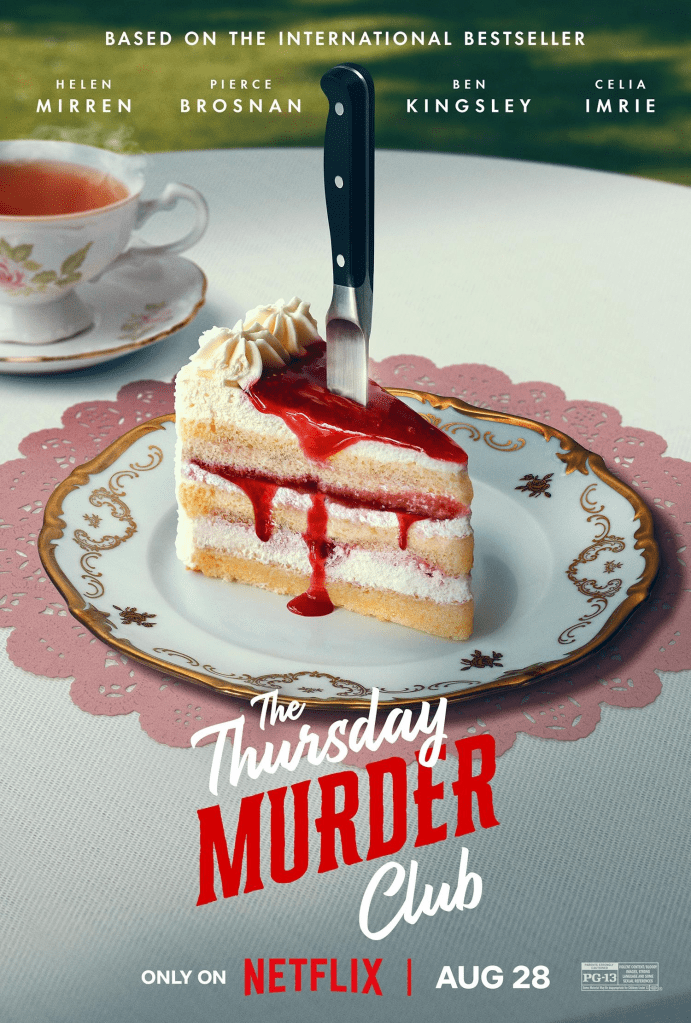
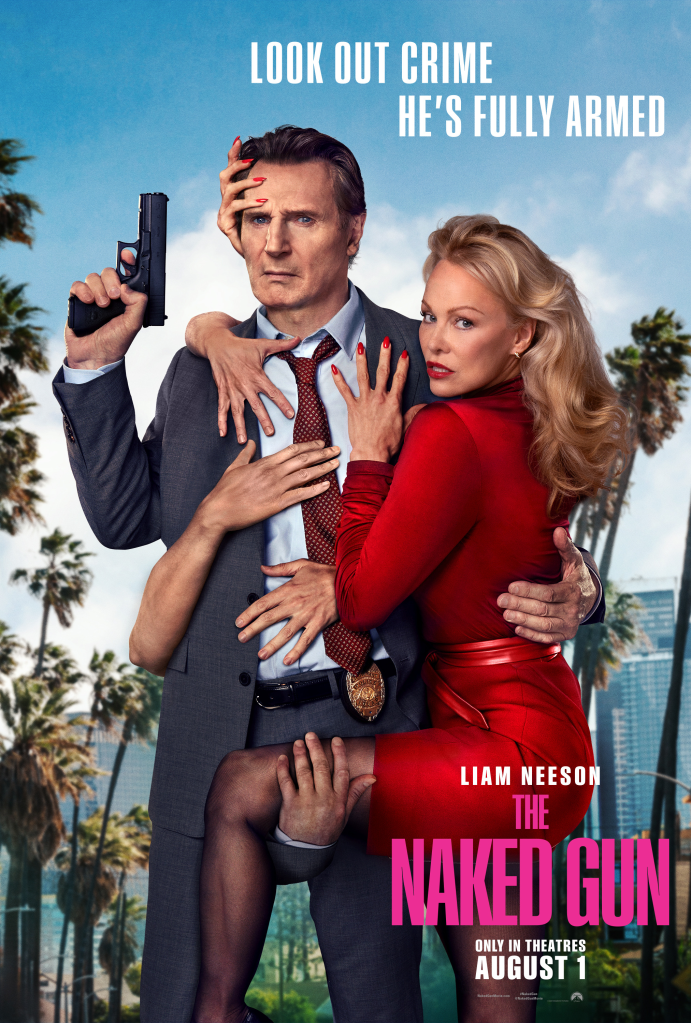


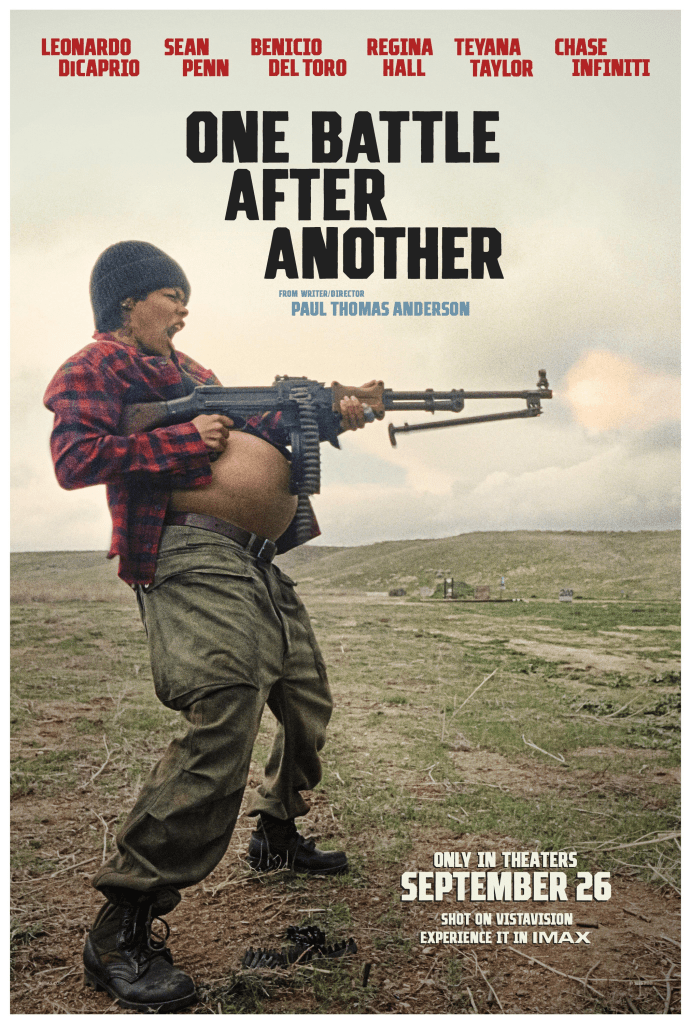
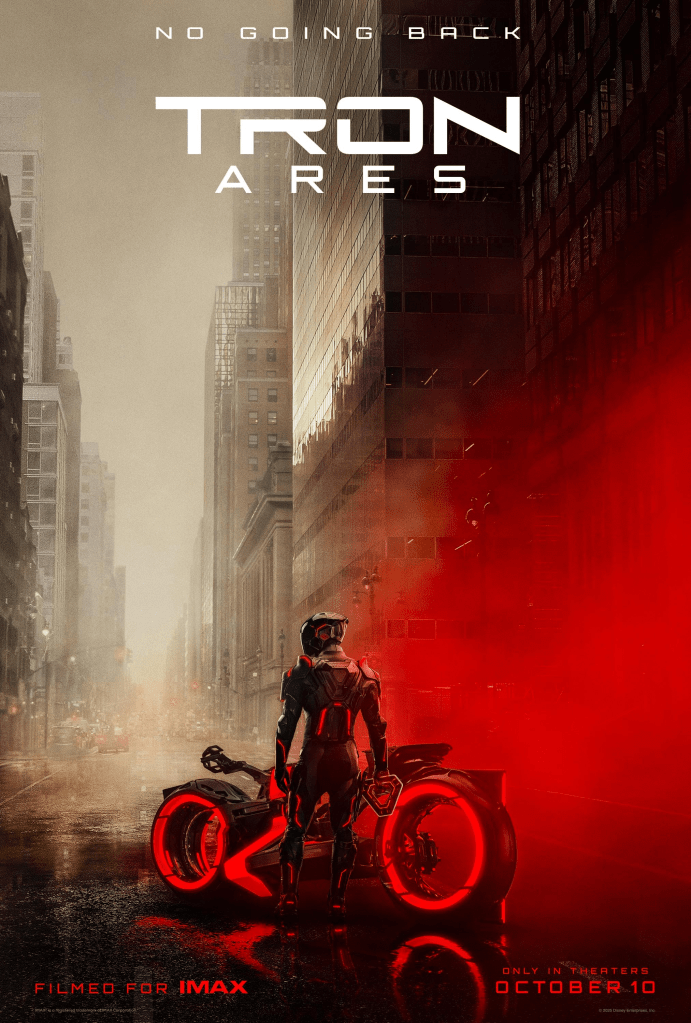
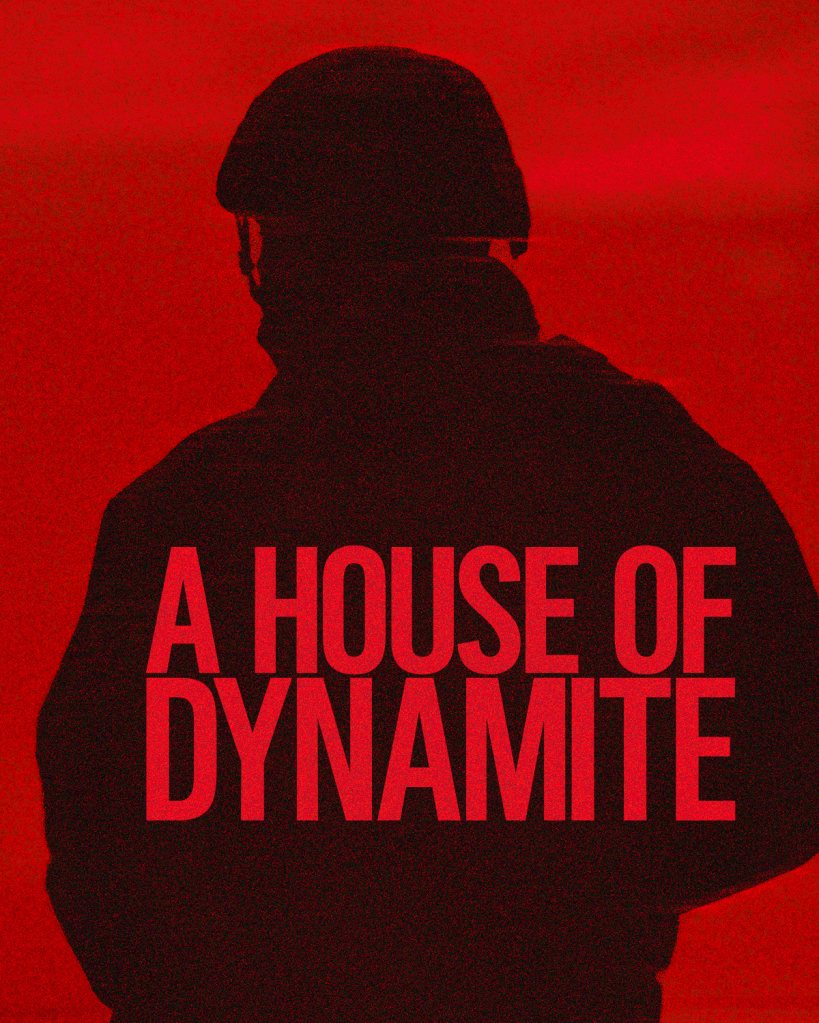

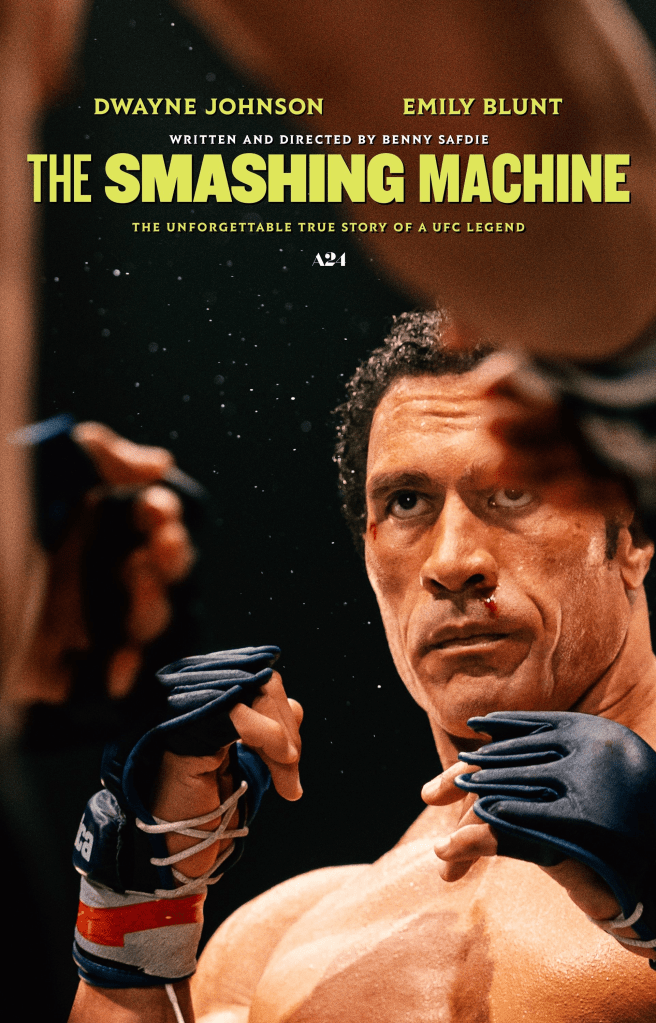


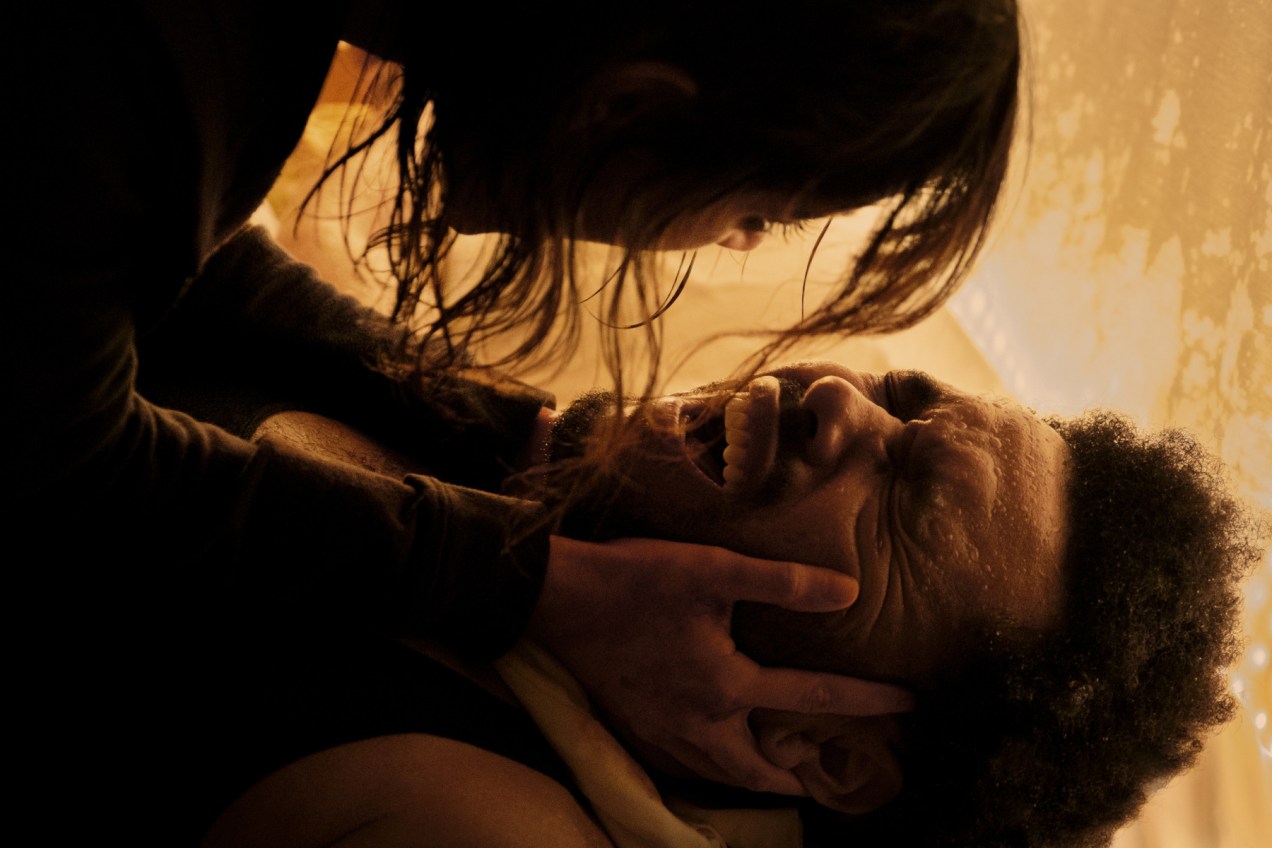
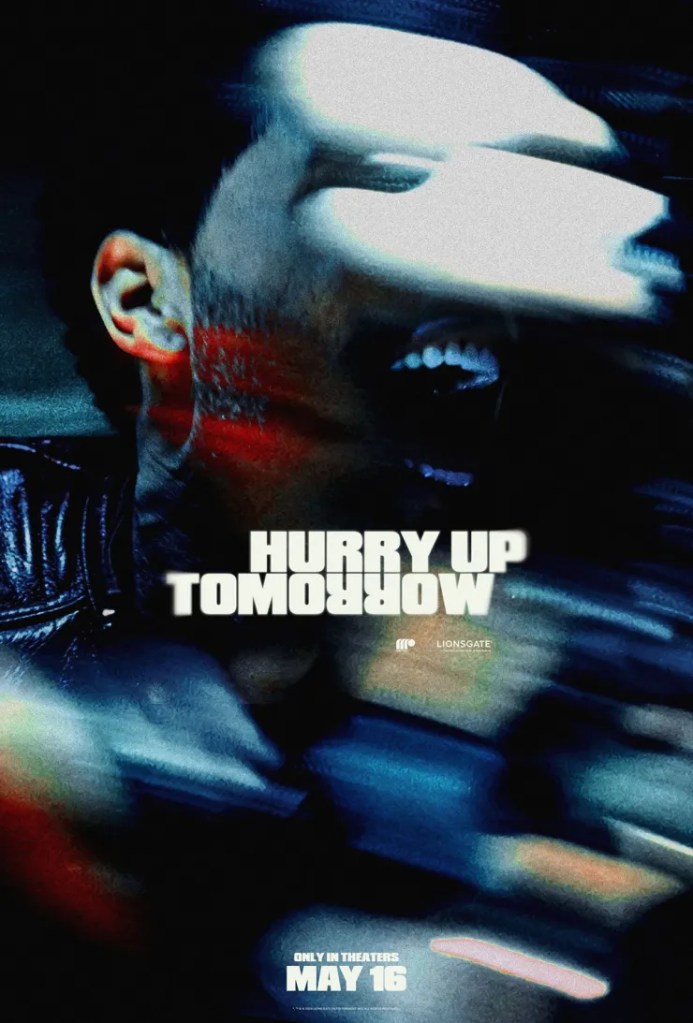
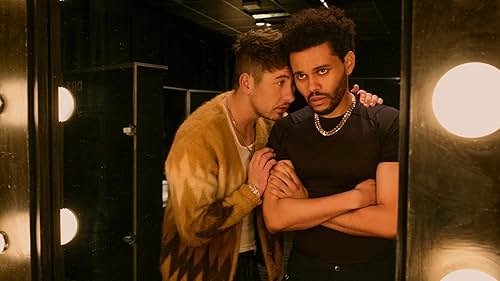
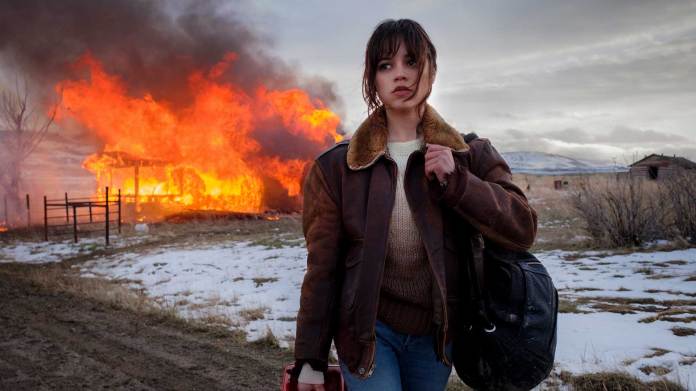


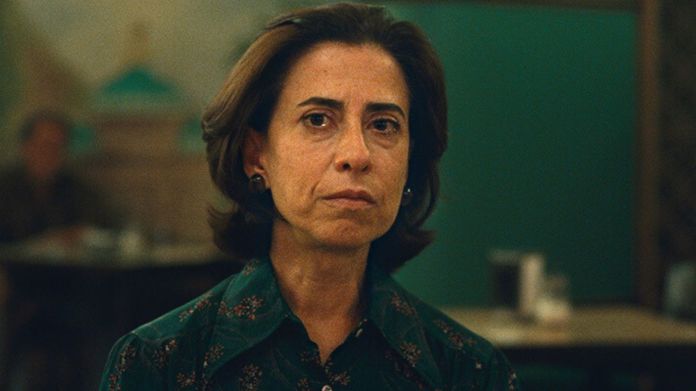


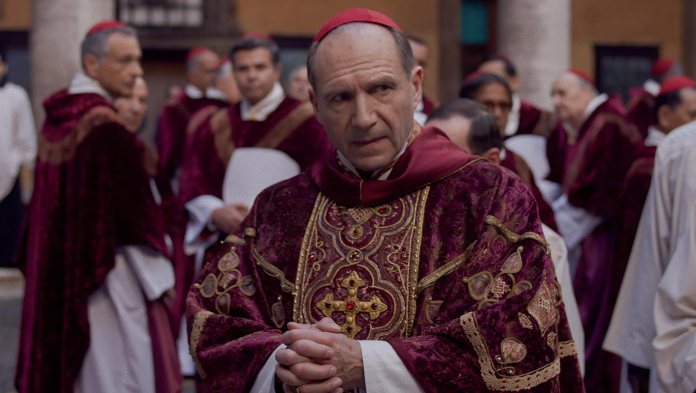
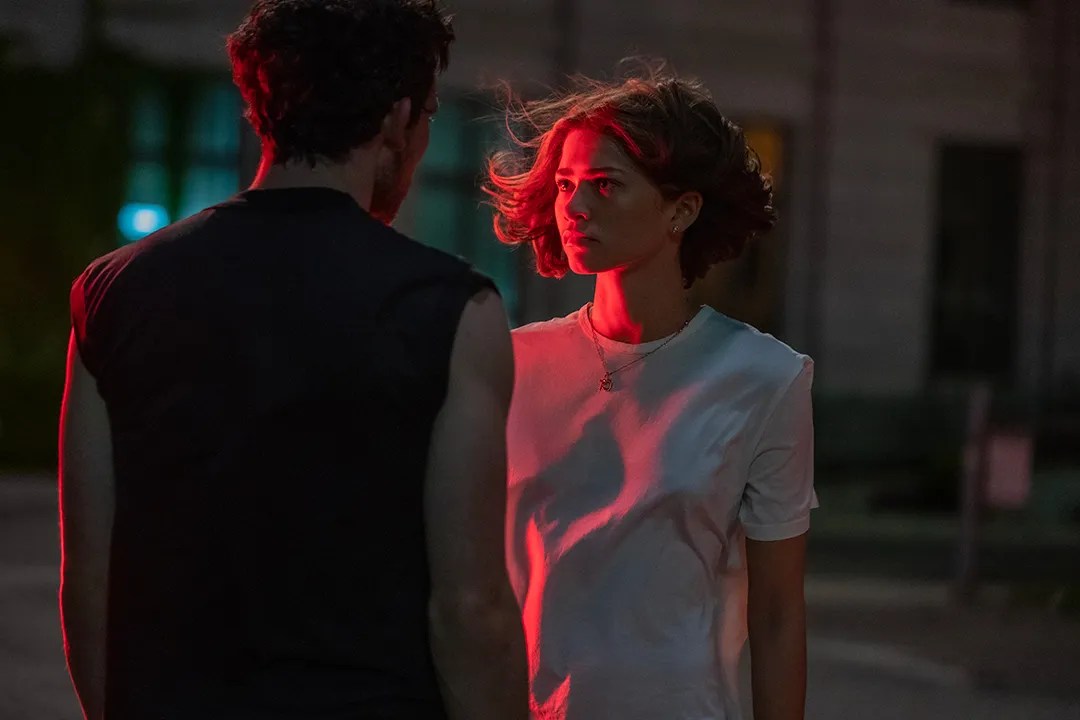

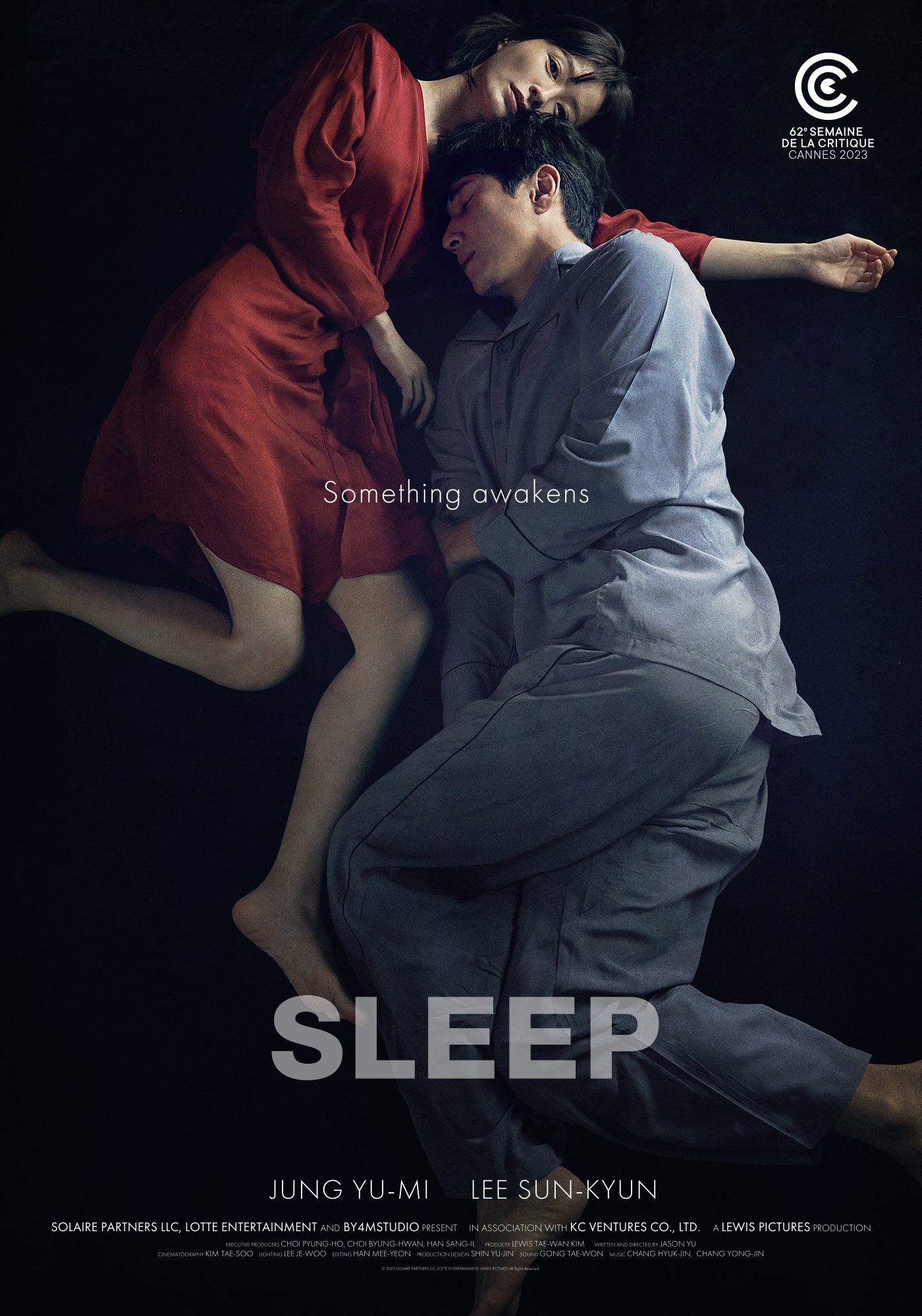


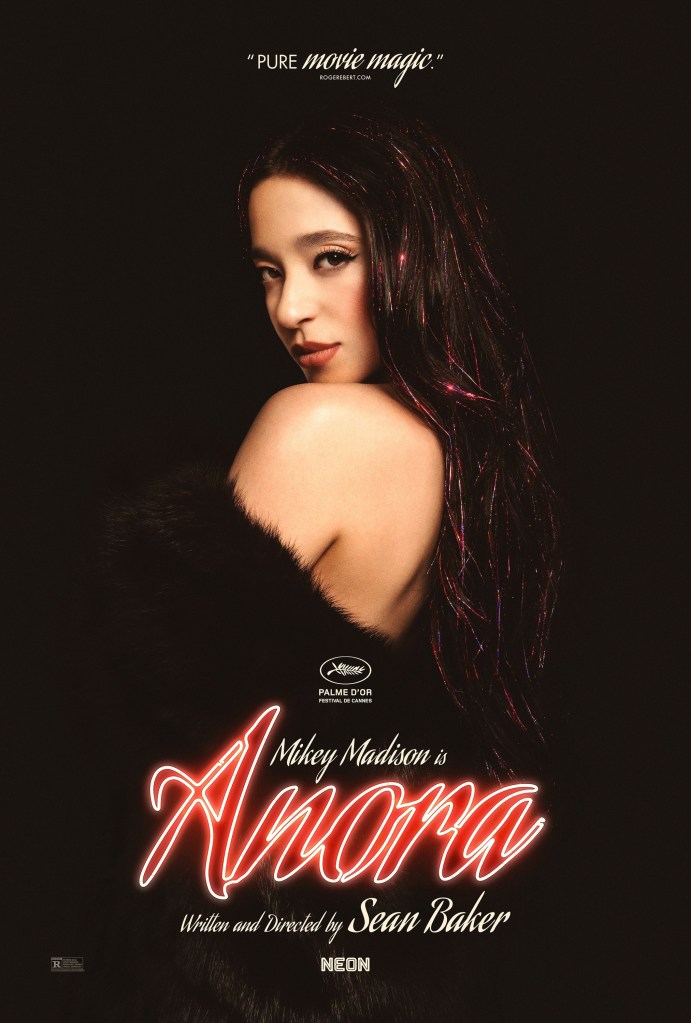


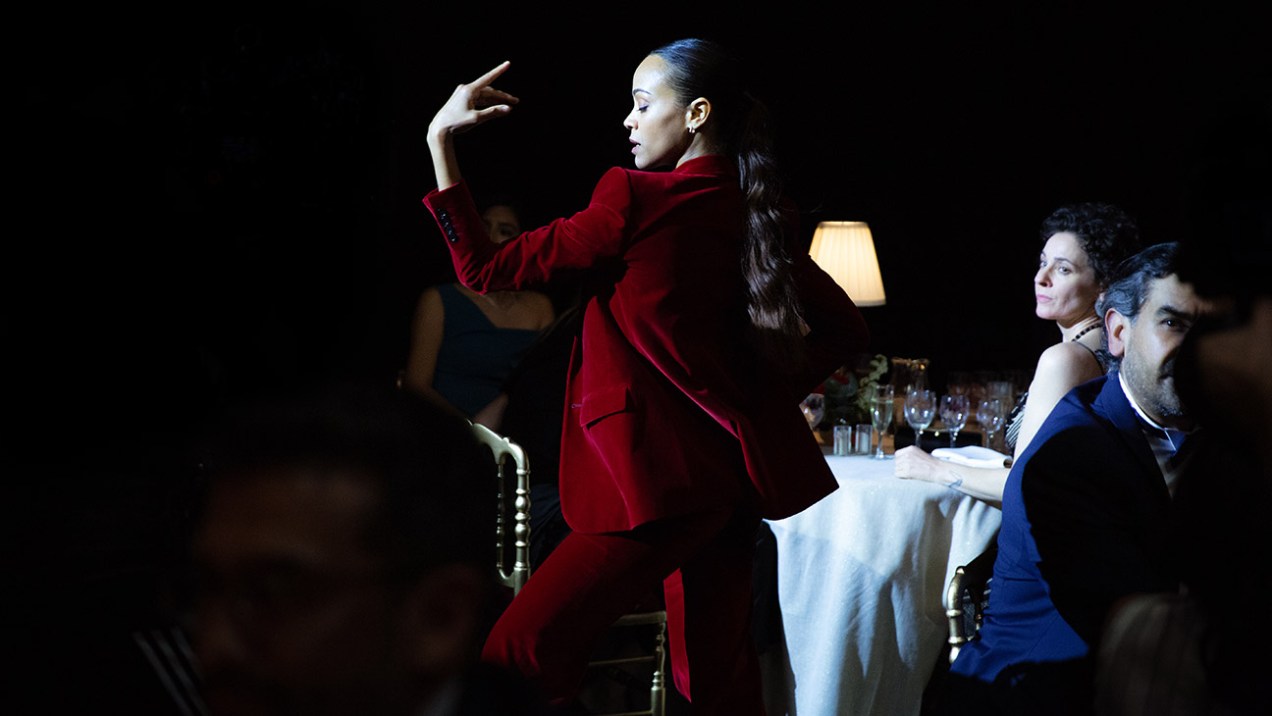
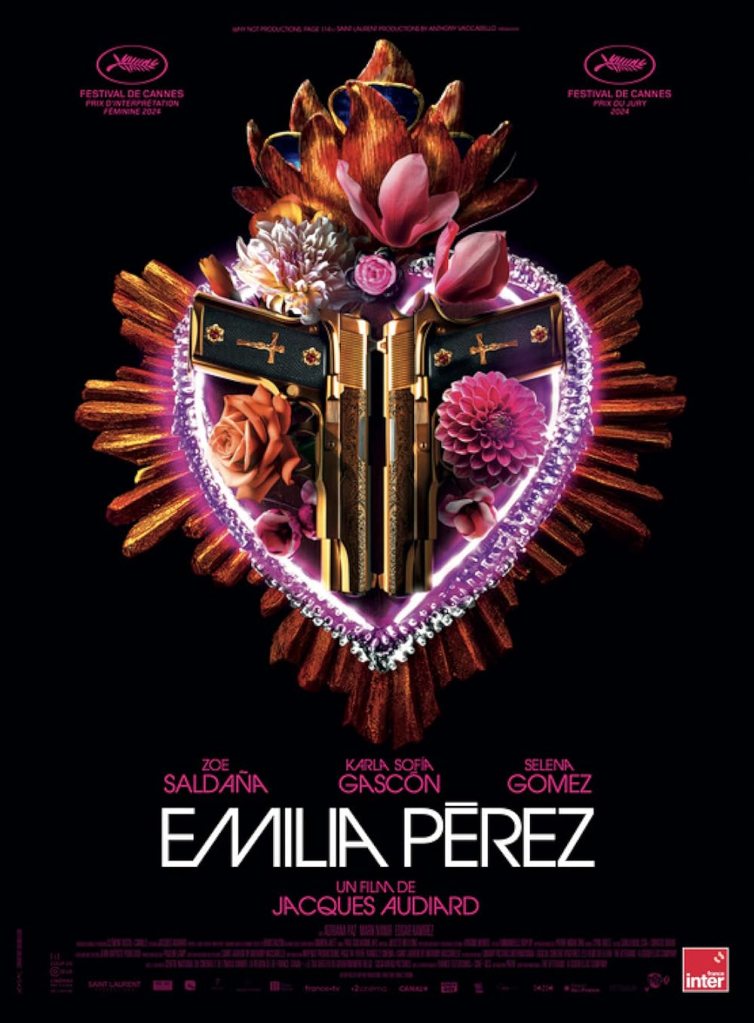

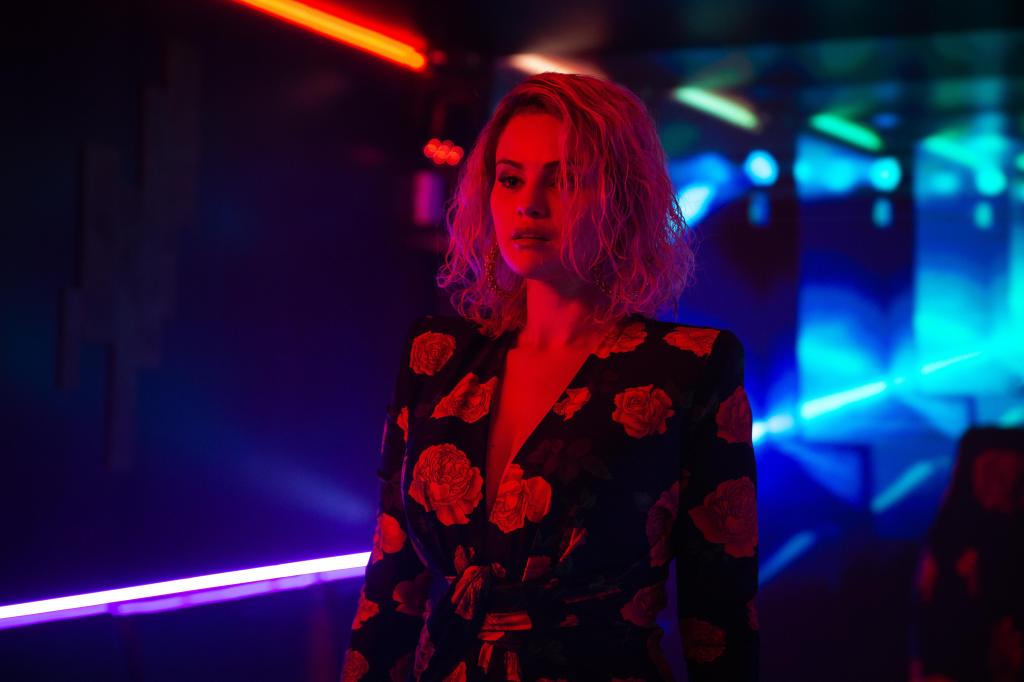
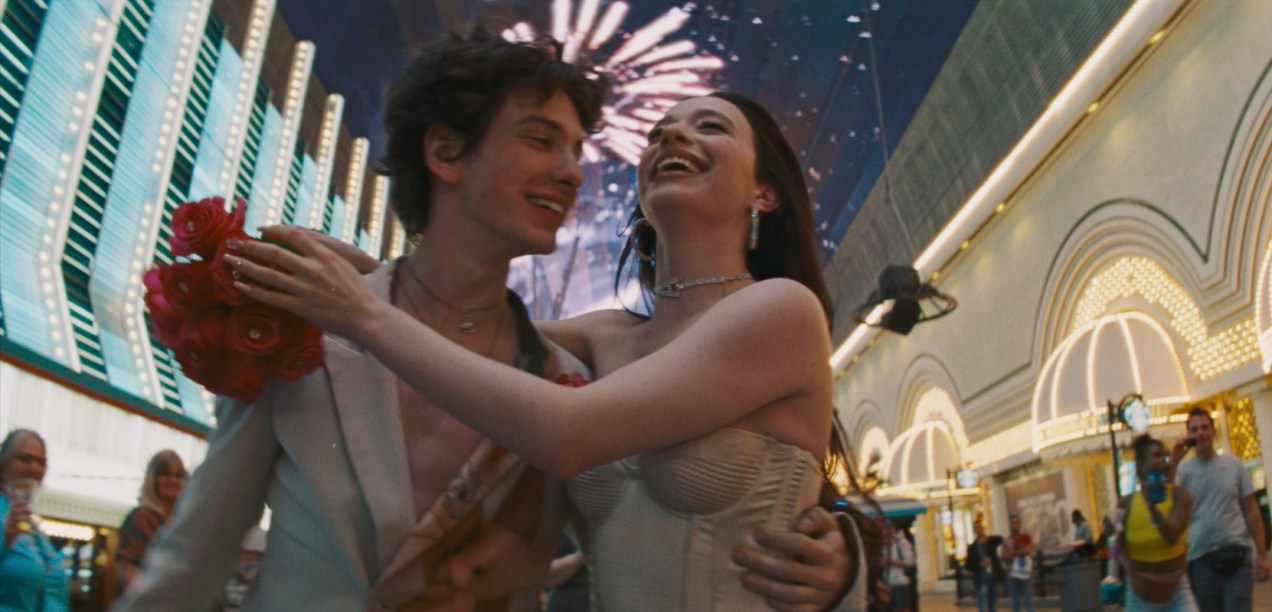

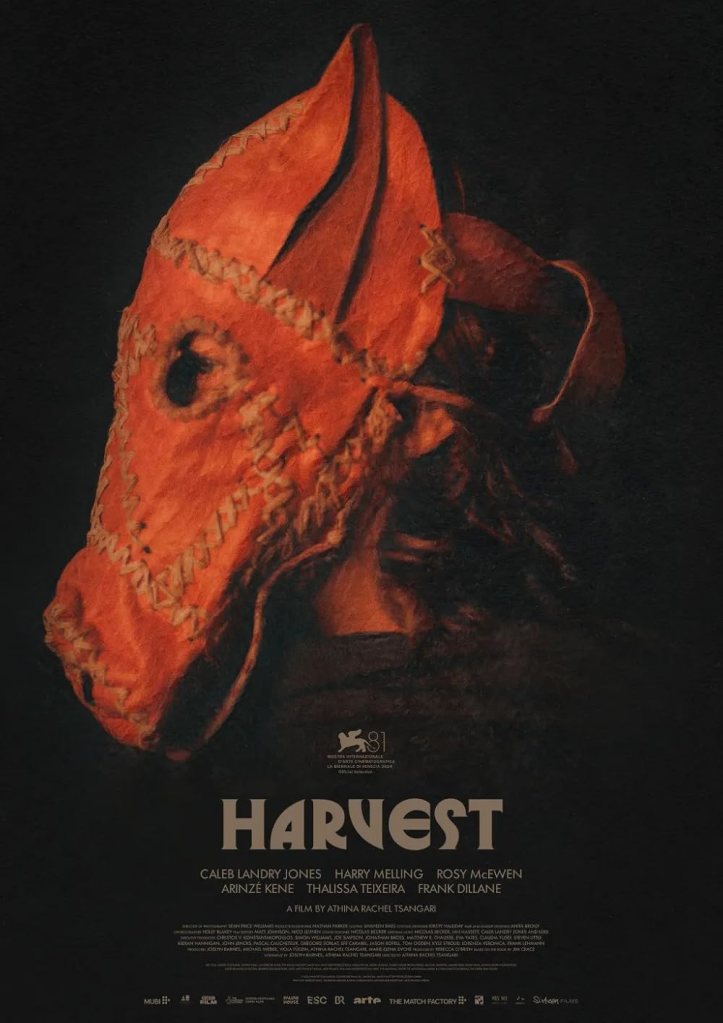
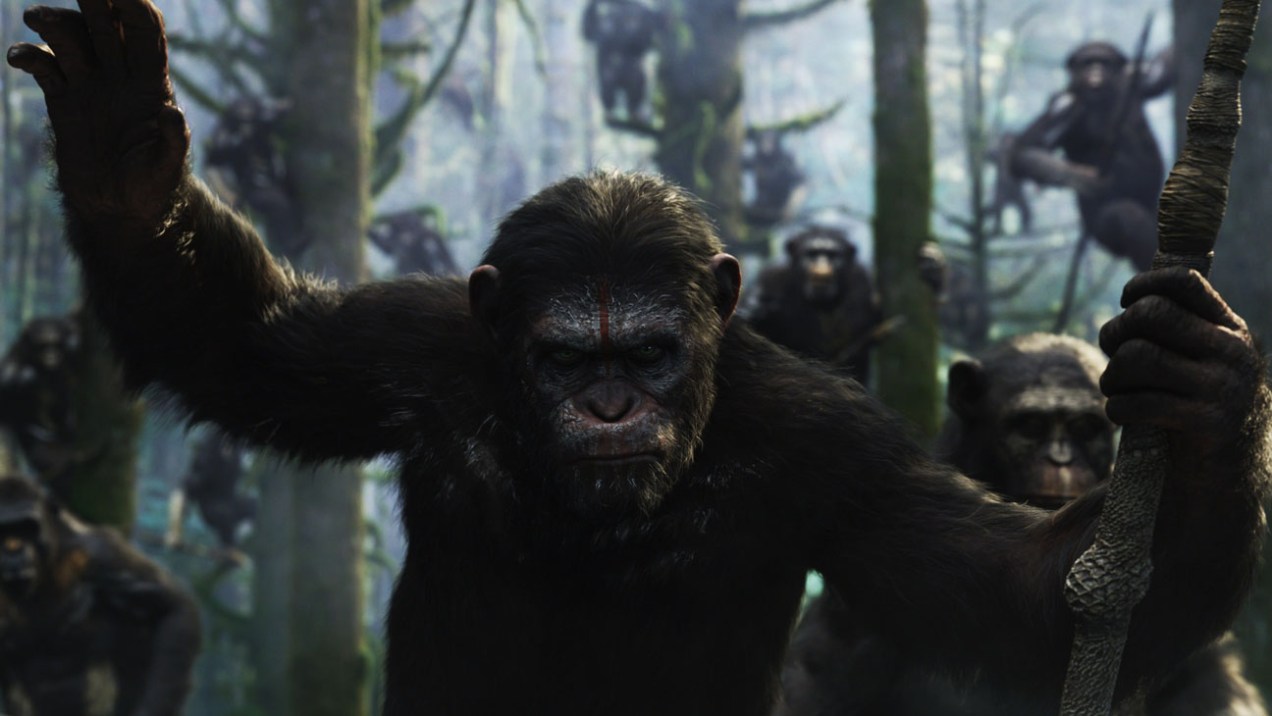

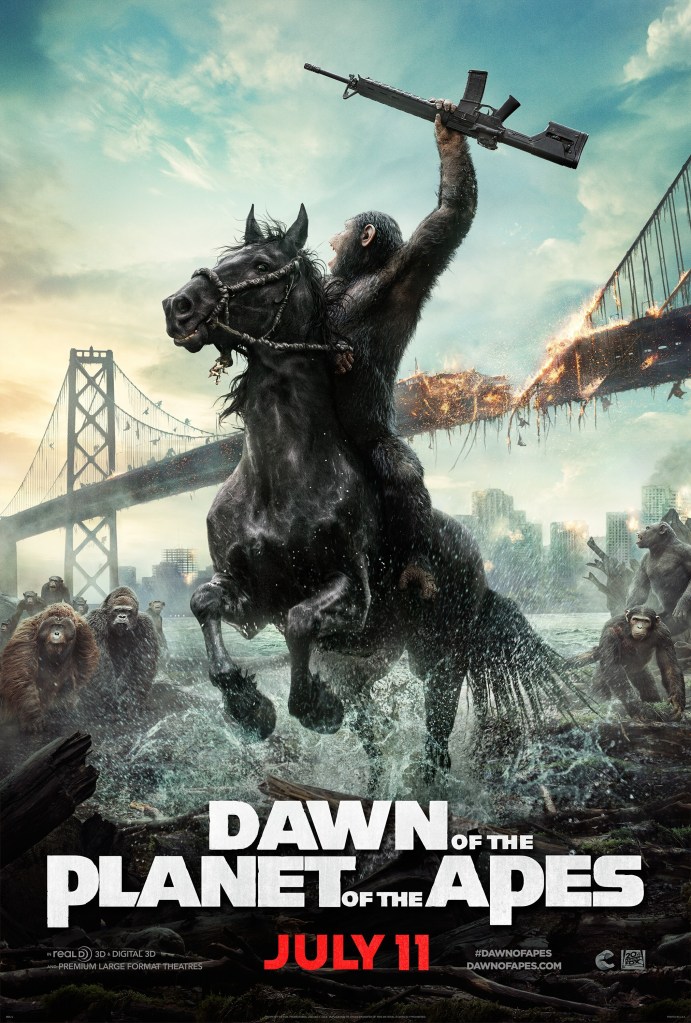


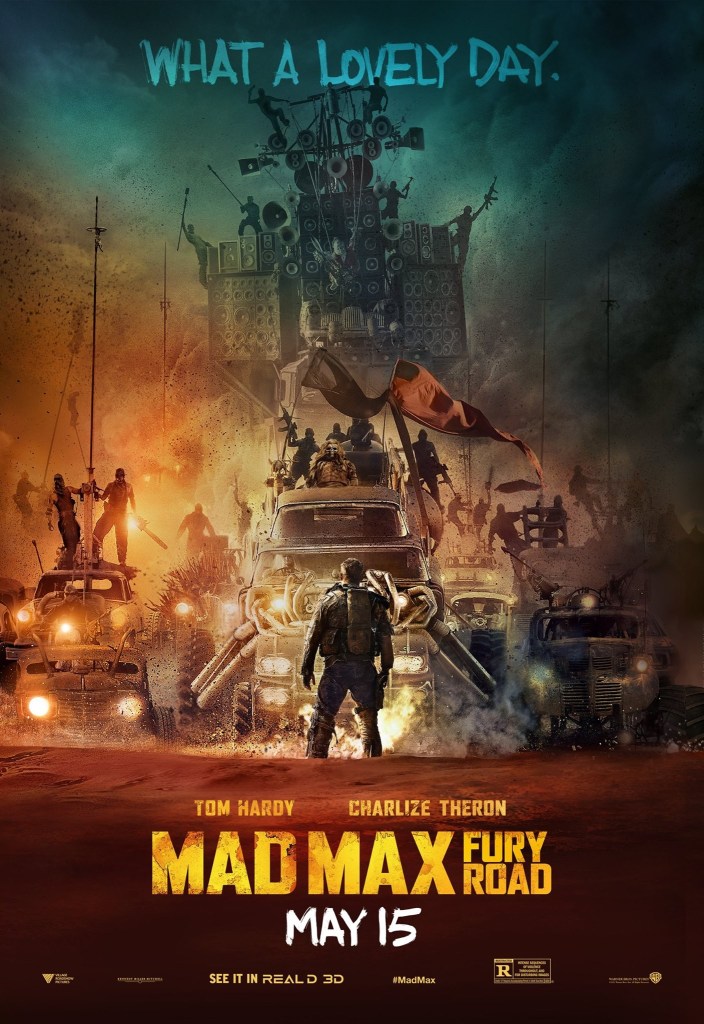



 The Quite Nerdy Blog