Reviews

Double Re-Review Spectacular – Guardians of the Galaxy and Dawn of the Planet of the Apes

When I first started writing my blog, I kicked it off proper ten years ago with a big double review of two massive Summer blockbusters that I had recently seen. Those films were, as you may have guessed, Guardians of the Galaxy and Dawn of the Planet of the Apes. By chance, both these films turned out to be formative for their own reasons and ten years on, both still provide a lot to chew on. So, let’s review them again! I’m a much better reviewer today than I was ten years ago (you would hope, with a film degree under my belt) and like I say, these are films that do still deserve to be discussed for their place in Hollywood’s output. The question is, how have they aged? Both were 9/10 films for me a decade ago, can the talking raccoon movie and the talking monkey movie live up to the heights a 14 year old Henry held them up to? What a bold and provocative setup, I really do have a Film and English degree.

Guardians of the Galaxy

Guardians of the Galaxy is the 10th film released as part of the Marvel Cinematic Universe (MCU). For context, the recently released Deadpool and Wolverine is the 34th, which doesn’t even include the 12 seasons of TV that have also been forced onto us. In case it wasn’t obvious, the MCU was in a very different place in 2014, with only one Avengers movie having been released and the sense of a grand ending still very far off. Still, the films were beginning to knit together, characters crossing over between films and each plot becoming more important to understanding the next. If Guardians of the Galaxy felt refreshing in 2014 for being disconnected from the narrative of the MCU, you have no idea how good it feels in 2024.

Ironically, the plot itself is weak, appropriating the feel of a space opera without quite committing to the scale that these stories go for. A bunch of misfits are brought together in an unlikely string of events, team up and stop a baddie from using a stone (what we now understand as an Infinity Stone) to blow up a planet. Considering that the past ten years have given us a faithful and bombastic Dune adaptation, it’s hard not to feel cheated by the world building that is in service of nothing in particular. However, the lack of an impactful plot doesn’t feel like a sticking point against GOTG, as its strengths are plentiful in other areas. In particular, the core characters are very well realised. Part of this feeling is certainly the context of these characters having a multi-film arc across the GOTG trilogy and last two Avengers films, but there’s a lot of work done here. My fondness for Rocket, Drax and Yondu is certainly based on the later films, but Groot’s characterisation is remarkably and instantly brilliant. He gets a handful of moments of quiet compassion, in which he very literally gives part of himself to others, and all of these scenes were profoundly beautiful to me. That’s such a silly thing to say about the MCU now but James Gunn and his team of writers really knew what they were doing.
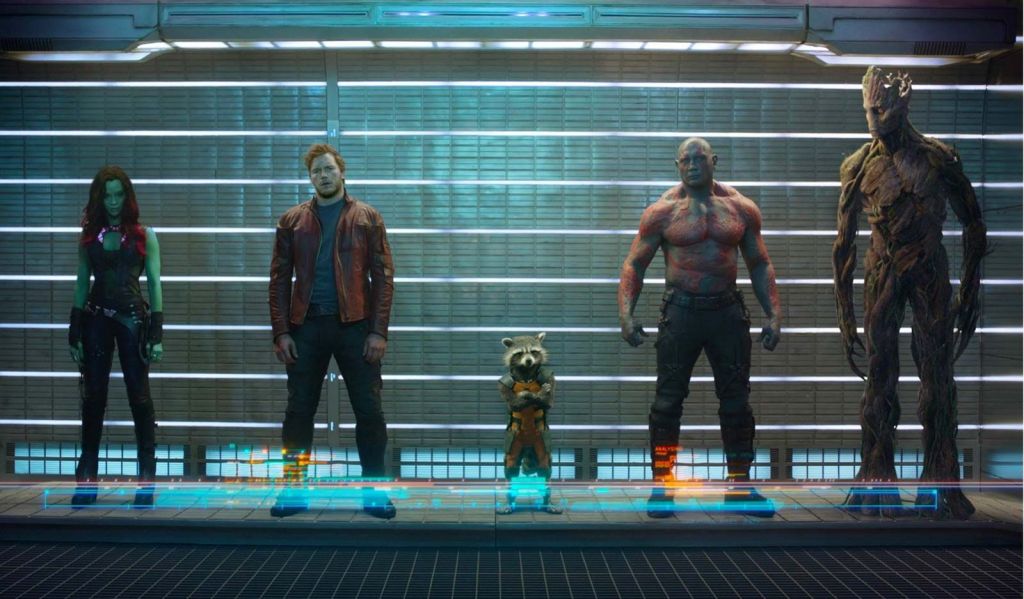
Peter Quill is also shockingly well characterised for a superhero lead. We immediately understand the trauma he holds from never facing the death of his mother and that pathos gives a purpose to the now iconic “Awesome Mix.” The album has been such a phenomenal success in its own right, topping album charts, being the must own CD for every teenage boy of the time (including me) and also helping introduce a lot of classic rock to a new generation. What this success obfuscates though is the importance of the mixtape to Peter. These songs have been the only thing linking him to his home planet for over twenty years and he must have listened to them thousands of times. The music also helps establish Peter as a loser, in a way that is hugely endearing. Compare, to take a random example not chosen with any cruelty, to Deadpool and Wolverine. Both films feature a dance scene over the opening credits but take very different routes to create a very different effect. For Deadpool, our main character is seen doing a very well choreographed dance to “Bye, Bye, Bye”, a song that I don’t think it’s unfair to say is bad (and was also much better utilised in the opening credits of Sean Baker’s Red Rocket.) In GOTG however, Quill dances badly to “Come and Get Your Love”, a fantastic song that was not much remembered since the time of release. Where the Deadpool scene is played entirely for comedy (a comedy which, not to keep kicking the dead horse, does not land), GOTG uses a scene that is comedic to also tell us the importance of music to Quill and express the dorky side that exists alongside his adventurous persona. For my money, it’s the best character introduction in the entire franchise and I doubt we’ll get something as simple and efficient again.

To wrap up the chat about the cast, this is a very well cast film which managed to make stars of its smaller names and use well the bigger names. We love to hate Chris Pratt these days but coming fresh off Parks and Recreations, Peter Quill was the perfect role for him and the one he would deserve to be remembered for if he didn’t love cashing cheques so much. Bradley Cooper and Vin Diesel give genuinely impactful performances with just their voices, Cooper himself bettering everything he did before and since, with the exception of A Star is Born. It is also clear on a rewatch that Dave Bautista was immediately the real deal. He gives a gravitas to Drax that is apparent the second he appears on screen, yet allows his immaculate comedy skills to slowly flourish throughout the film. In any just world, he should be the biggest actor in the world, though I do love his dedication to strange passion projects in recent years. One other thing that feels strange in context is the appearances of Glenn Close and John C. Reilly, actors who never appear again in the MCU but pop in here to have a quick bit of fun. They should be better than this but their willingness and sense of game is warming. Good for them for taking the money and running.
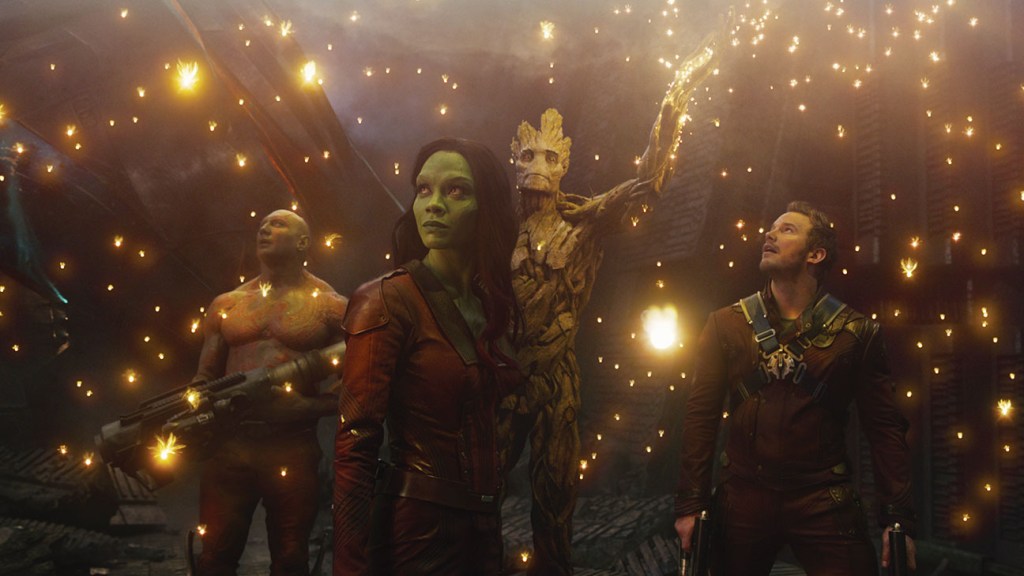
It’s not all positive. GOTG has a lot of the issues that have since come to characterise much of the MCU and its imitators. As I said, the plot is a bore and lead villain Ronan the Accuser is a fantastically dull villain. None of that is Lee Pace’s fault, he is simply given nothing to work with beyond a character who wants to blow up planets. As such, when the third act gets plot heavy it chugs along and loses the great pacing of the past two acts, which is a shame. Also a shame are the lessons Hollywood took from the success of GOTG. One immediate thing Hollywood settled on was turning their ensemble films into jukebox musicals of sorts, with the most notable offender being the 2016 nightmare Suicide Squad, a fetid pool full of ideas that blended like oil and water. Ironically, it would be Gunn himself who would come in and redeem that franchise with The Suicide Squad, a definitive improvement that showed what a difference clarity of vision makes. Even as recent as this month, Borderlands proved that studios want GOTG but aren’t interested in an actual cinematic vision if the noise is loud enough.

I think the other big lesson that studios took from GOTG was that audiences wanted cool wacky adventures in space. Don’t get me wrong, I am broadly in favour of that but there has to be some kind of heart. Recent MCU disasters like Thor: Love and Thunder and Ant-Man and The Wasp: Quantumania prove that simply setting a bunch of nonsense somewhere new doesn’t make a film feel new. Audiences are smarter than they seem, but treating them like idiots makes them feel like idiots. It makes them like Deadpool and Wolverine. The irony of this big speech about lesson learning is that one person did learn from GOTG: James Gunn. He wrapped up the gang’s adventures last year with a third feature and gave the Guardians their best outing yet. Whether he brings that magic to the new DC Universe is yet to be seen, but if nothing else he left Marvel on a high note that they seem determined to squander.

In a twist that seems predictable to any who understands the passage of time, Guardians of the Galaxy doesn’t enchant me the way that it did when I was 14, yet it is still an easy high watermark for the MCU. We didn’t know how good we had it, but we also didn’t know how good Gunn specifically would treat us throughout the trilogy. Considering the mental, financial and emotional damage caused by the MCU and other attempted rivals, it is frankly shocking that I can still find it in me to love this film, yet I do. Despite being such a commercial product, it has at its core a beating heart and no amount of capitalist nonsense can cover that, not then, not now, not ever.

Rating: 4 out of 5.

Dawn of the Planet of the Apes

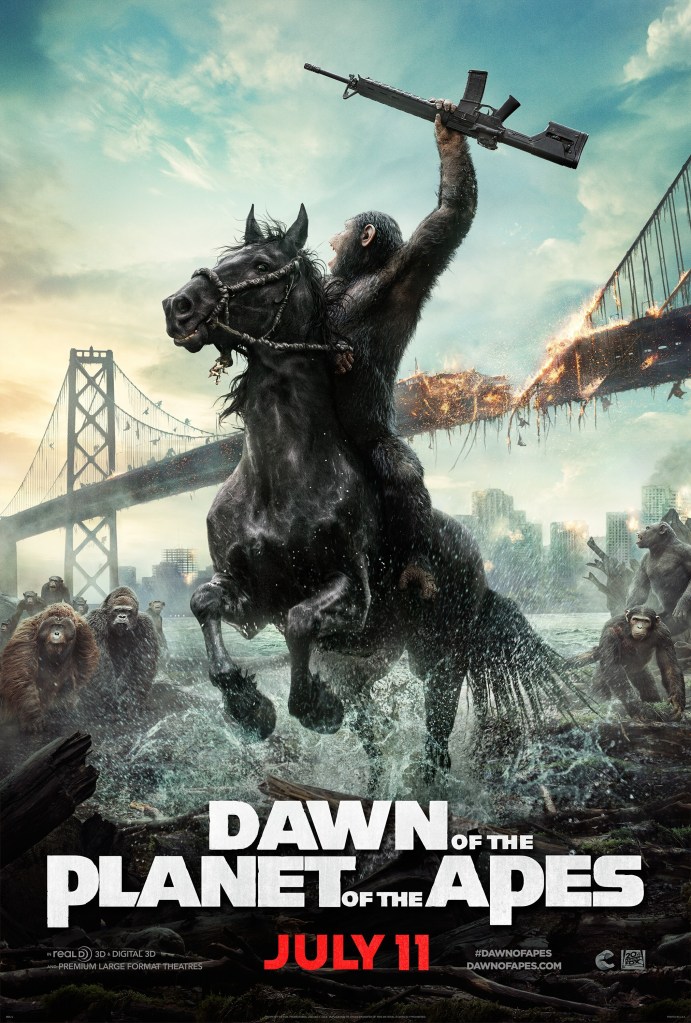
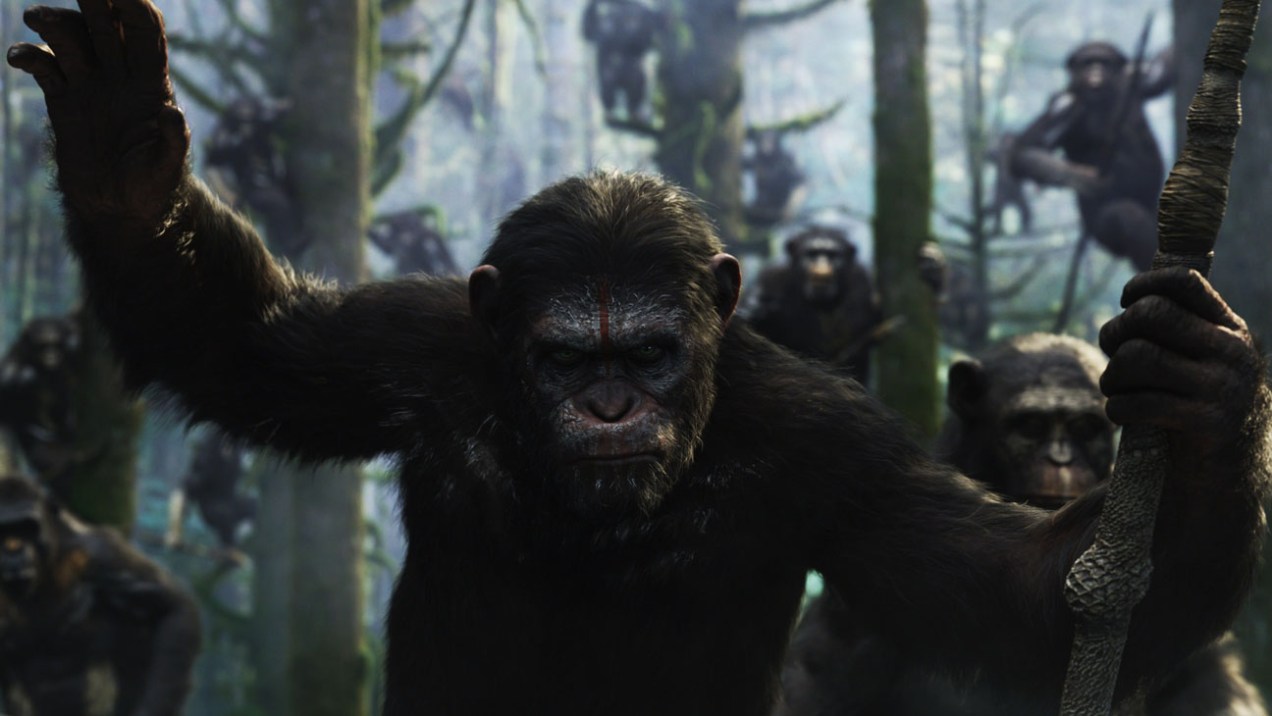
Dawn of the Planet of the Apes was my first Planet of the Apes film. I saw it in a double bill with GOTG because a friend who I had also seen it with was going along to Dawn. I had no expectations, walked in with open arms and now I am the biggest Planet of the Apes fan you know. As I now appreciate, Dawn follows on ten years after Rise, in which the Simian Flu has wiped out most of the human population of Earth and Caesar is leading a tribe of apes who live just outside what used to be San Francisco. One day they encounter a group of humans, who broadly seek no violence but just want to reactivate the dam so they can get electricity back. Both sides agree to let the dam be worked on, but there is dissent within both groups. For the humans, Carver is actively hostile towards the apes and blames the Simian Flu on them, despite the name arising from experiments performed on the apes. For the apes, Koba is rightly angry at the humans for testing on him before the outbreak, but wishes to escalate things and kill the remaining humans who could harm the apes again, whatever the cost. It creates a very strong divide in each camp between those who seek an alliance and those who wish to destroy their rivals and it is a powerful momentum that propels the film.

It sounds silly if you’re not in the know on your Apes lore but the core narrative of this film is one that is deeply political. The entire franchise has always been political, focussing on how power changes hands and what those new hands do with the power they have. In the case of Dawn, the focus is on how the paranoia and selfish desire of a handful of individuals corrupts the greater whole. If you’re familiar with a little show called The News, you might have spotted this recently. Hate figures like Nigel Farage, Andrew Tate and Tommy Robinson create an enemy for people to fear, rile those around them into a violent fury and then plead dumb when this typhoon of bigotry becomes a deadly weapon. Like with all films that are “more relevant now than ever though”, it is less predictive of the future than it is reflective of the past. Humans have always been malleable at the hands of charismatic villains, in this world apes simply are too. Another unintended resonance is the Simian Flu angle of it. In the vein of hatred there is the bigotry aimed at those the flu is named after, like how COVID-19 was euphemistically called the Chinese Virus by Trump, again not foresight but a reflection of history and events like the Spanish flu. The Flu is also compelling though because of having lived through the COVID-19 pandemic. Our virus wasn’t as deadly as this cinematic version so we recovered, but the lingering memory of former bustling spaces becoming liminal is still strong. I’m not going to claim Dawn is unique in this, The Last of Us pulled off a similarly affecting gambit the year before, but it is nevertheless affecting.

Our assembled cast is one that initially appears low-key, but all do roundly wonderful work. The humans are broadly expendable but solid. Jason Clarke is good enough to earn good will that has sustained him until now, Kodi Smit-McPhee gets to lean into his usual quiet loner thing and would I be being too much of a contrarian if I said Gary Oldman is better here than he was in his Oscar winning performance in Darkest Hour? He is wonderful, a quiet figure whose paranoia seeps into the film slowly, yet who is clearly still wracked by guilt. All the humans are in fact, it stood out to me this time, all our characters are plagued with survivors guilt over being the only one of their family to survive. It makes the humans weak and vulnerable in a way that still allows us to root for them against pre-established and broadly heroic characters.
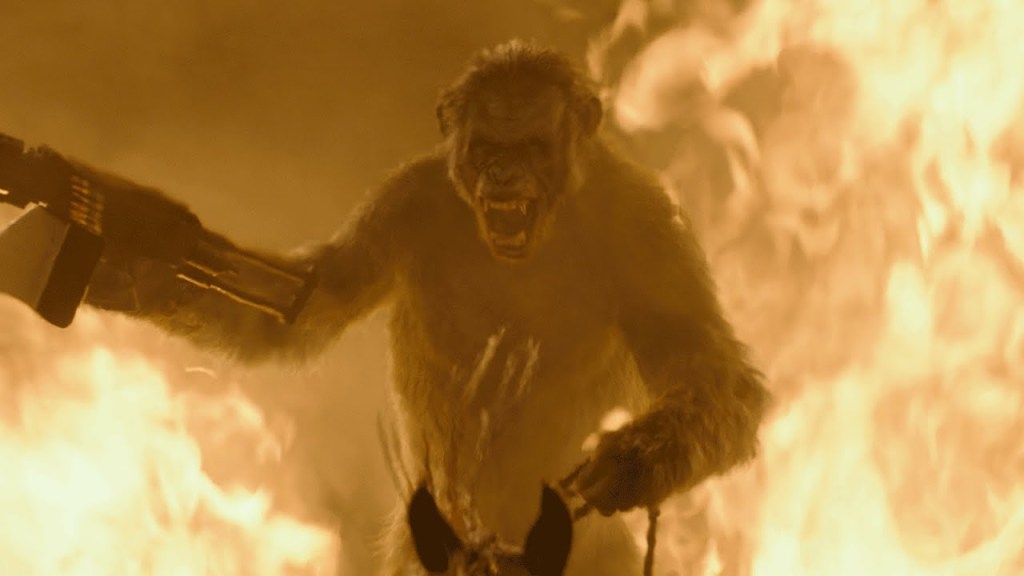
These apes though… Man oh man are they fantastic. Andy Serkis really does bring to life Caesar with ease and his performance makes a difference, especially when compared to the unremarkable lead at the heart of Kingdom of the Planet of the Apes. He gives all his films a grounding and this central film in the trilogy is where he is tested most deeply. Deeply underrated though is Toby Kebbell as Koba. Just after Dawn, Kebbell would have a legendarily bad run, starring in Fantastic Four (2015), Ben-Hur (2016) and the over-hated Warcraft, films for which he became a punching bag. He’s done great work since though, in A Monster Calls and Kong: Skull Island, so is clearly a talented actor stuck in some rubbish films. He is phenomenal here. Koba flits between two modes, either pathetic and weaselly or violent and demanding. In some scenes, he flips between the two in an instant, terrifying humans who witness him. He is a better villain than almost anyone the MCU presented before or since and Kebbell is a huge part of it. Also worthy of a shout is Karin Konoval who plays Maurice. In a weird parallel to Groot, Maurice is a gentle character whose power is in his small moments, like when he reads Alexander’s book. Every single time he appears on screen, whatever is happening gets 10% better without fail. Once again, great job Karin Konoval, we all love Maurice.

None of this talk about great apes would be possible though without the special effects surrounding them. Ten years ago, it was pretty much the selling point of these films and while photo-realistic special effects come as standard these days, Dawn still impresses. The worst you can say is that it looks like a video game but when you consider the outlandish level that video games are now capable of, it starts to sound closer to a compliment than it ever has. Crucially, the CGI never bursts believability. In every single scene, I believed that these fully computer generated characters were real. Even today, that is not an easy bar to clear and Dawn does so effortlessly. Accompanied by music that knows when to stick close to Jerry Goldsmith’s timeless feel and when to veer into Zimmer-esque action, as well as cinematography that is drop dead gorgeous at all times, few films since have felt as good as Dawn. Fewer still, if you rule out Matt Reeves’ other films.
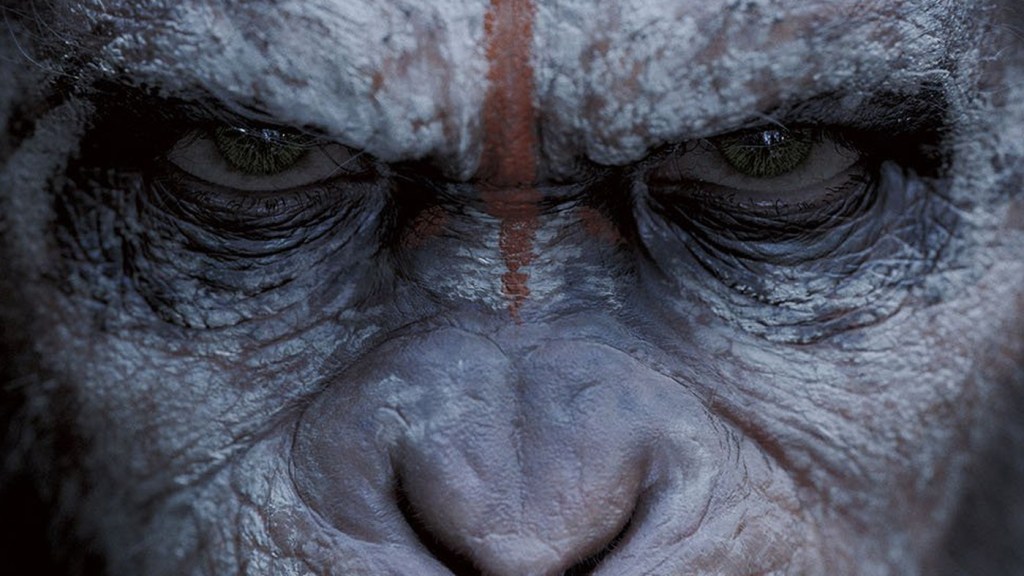
The reason I keep coming back to Dawn though, both to watch and to discuss, is how versatile a film it is. It has the political layer I was talking about, creating interesting characters on which we can see a sociological struggle play out, working on interesting levels. The whole modern series, in fact, has been very smart on even very little things, like the evolving meaning of what was Caesar’s bedroom window, into a sign for hope and a sign that can be hijacked. That is a fantastic thing for the film to have. However, it is also an absolutely banging action film. Do I need to do more to sell you on the action other than saying “there is an ape on horseback dual wielding assault rifles?” I hope I don’t, otherwise I have failed to curate my readership base properly. The point is, the action is amazing and contains shocking weight for characters who only exist digitally. Having now seen what Reeves can do with The Batman, no one doubts his action credentials, but for the dedicated, Dawn showed early what impressively awesome action he can create with a camera, a deep CGI budget and a dream. That siege on the human camp, in particular, is a display of sheer screen shaking bombast that requires cinematic viewing and must now be turned down so the volume of ape violence doesn’t spook the neighbours.

The magic of these modern Planet of the Apes movies is their versatility. Where the old ones were political parables that often thrilled, Dawn signalled a shift into action and parable existing hand in hand, where one cannot exist without the other in a beautiful symbiotic harmony that somehow still allows room for warmth. Honestly, where Guardians wasn’t quite as wonderful as I remembered, Dawn was even more so. It is a true example of spectacle that has something to say and a film that feels out of place in Hollywood even ten years later. We were and are blessed to live in a world where Dawn of the Planet of the Apes exists.

Rating: 4.5 out of 5.
Standard
top 7

Top 7 – Best Films of the Last 10 Years

Today marks the tenth anniversary of me writing this blog. It hasn’t always been this exact site, we’ve jumped around as I’ve tried to change and evolve with the times and I’ve drifted from weekly to fortnightly to whenever the energy emerges, but all the same I’ve been doing this funky thing for ten years. As someone cresting the age of 25, there’s not a lot I’ve been doing for ten years that isn’t breathing, eating or urinating, so writing is a big deal! For anyone who has been here for ten years, thank you. Anyone who has been here for five years, thank you. One month? You’ve done your best, there’s a lot of lore to catch up on, but thank you nonetheless.

To celebrate, we’re going simple; a top 7 list that celebrates my favourite films from the entire time I’ve been writing. Some of them have had reviews but I’m not linking to them because to be completely honest, the idea of reading things I wrote when I was 15 fills me with a level of dread that I’m still working out how to convey in words. If you’re desperate, seek them out, but I’ll be giving you my thoughts the whole way and my thoughts have also evolved a lot over the last decade. With all this said, it’s time for honourable mentions!

Gone Girl

David Fincher took a novel with an already excellent narrative and spun it into one of the best thrillers ever made. It is sick, it is twisty, it is some of the best stunt casting in history and if you ever meet a woman who calls it one of her favourite films, she is either a keeper or plotting to take your kidneys.

Interstellar

For most of the last decade, I’ve felt the need to defend the notion of “love is stronger than gravity and time.” I no longer want to defend myself, because anyone who doesn’t believe in the unbearably sincere heart at the centre of one of the coolest sci-fi films yet made does not deserve my time.

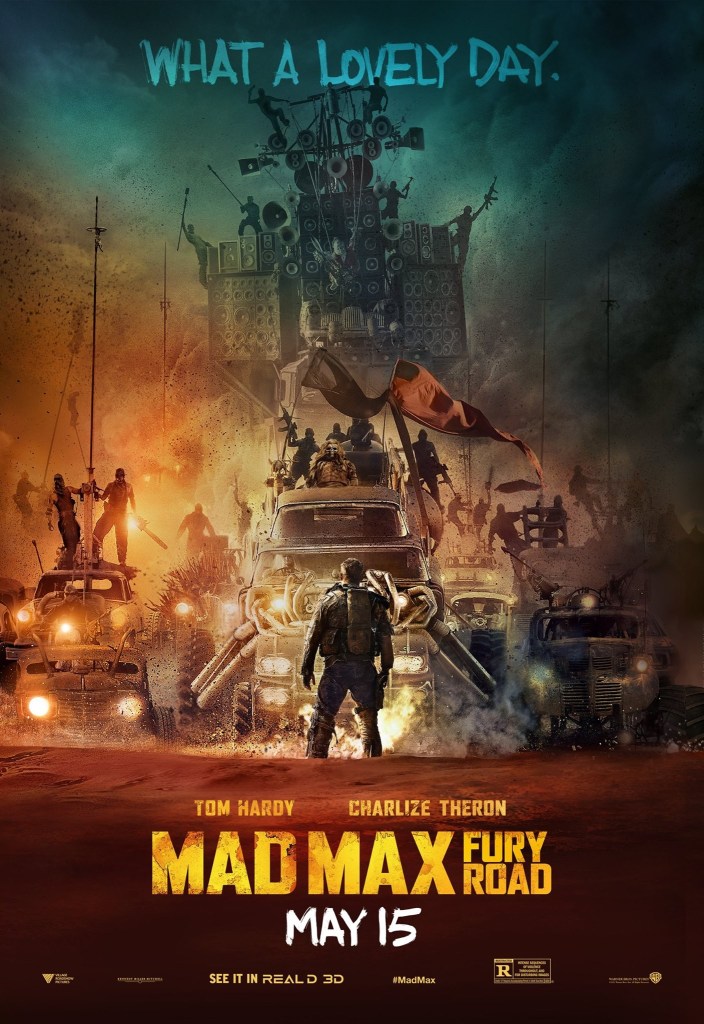
Mad Max: Fury Road

You know that scene in Mad Max: Fury Road where the camera pans along the convoy of cars, constructed out of trucks and bikes and nonsense, eventually landing at the guy who is playing a guitar that shoots fire? That scene alone is why this is one of the best films of the past decade.

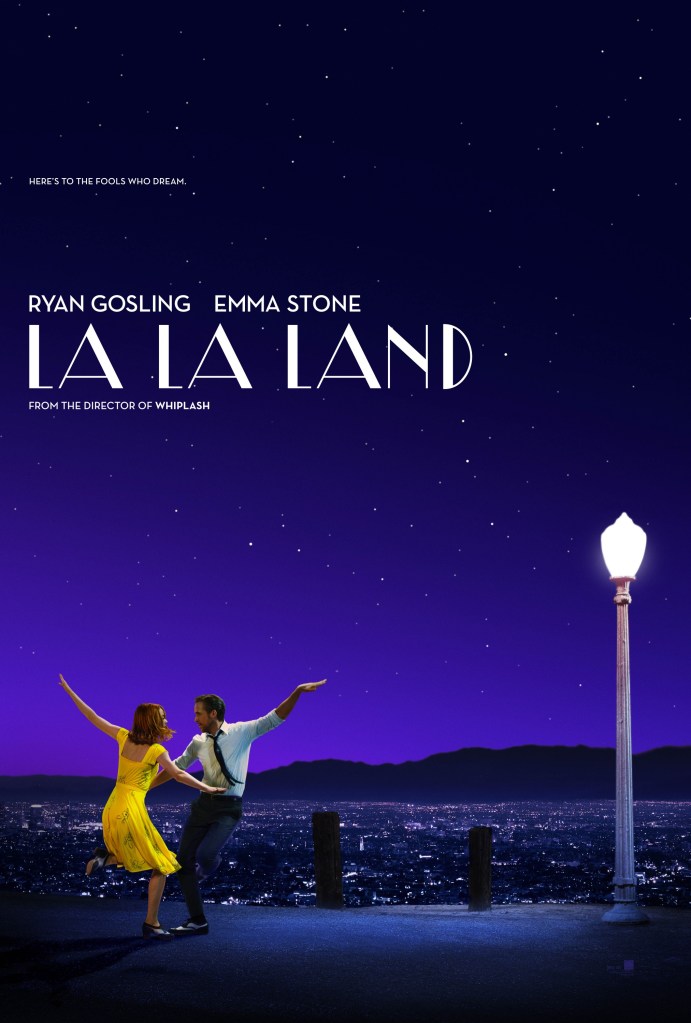
La La Land

Again, despite there being so many people who love La La Land, I feel an inherent need to defend my adoration of it. It is big and bold and a little bit stupid, but crucially it is a blast of joy directly into my heart that I watched five times while it was in cinemas. That can never mean nothing for a musical agnostic.

Call Me By Your Name

Okay, again, I should defend myself about this film starring Armie Hammer and focusing on a relationship with a hefty age gap. I do again refuse. Watching this film transports me to a place of pure sensuality where I drift into Italian landscapes, peachy platters and languorous stares. It announced Luca Guadagnino and Timothée Chalamet to me and both have continued to impress.

The Lighthouse

The Lighthouse has been one of my biggest growers of the past decade. I was interested by it at first but left it low on my Best of 2019 list, before becoming swamped by love for it during the pandemic. That love is yet to waver and I’ve still not seen anything that comes even close to this madcap spectacle of boys, beans and bottoms.

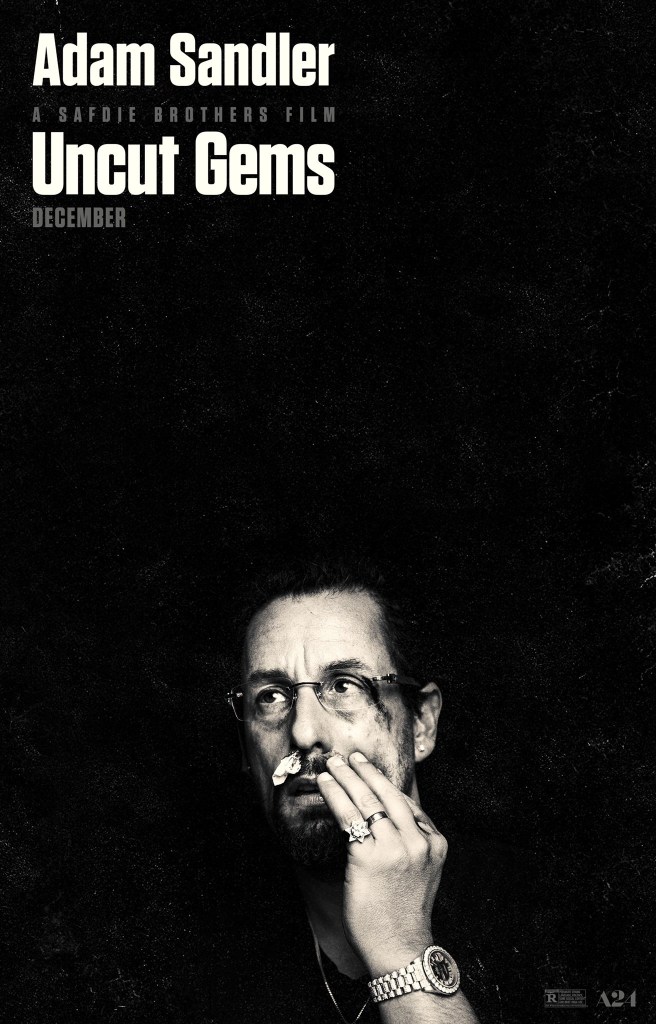
Uncut Gems

For a film that is structured to both resemble and create anxiety attacks, Uncut Gems sure is a film that has brought me comfort. It’s all you could ever want. Funny, tense, unpredictable, gleeful and home to not just Adam Sandler’s best performance but what still remains one of my favourite performances by any actor ever. Stunning.

Now on to the actual ranked bit!

7. Parasite

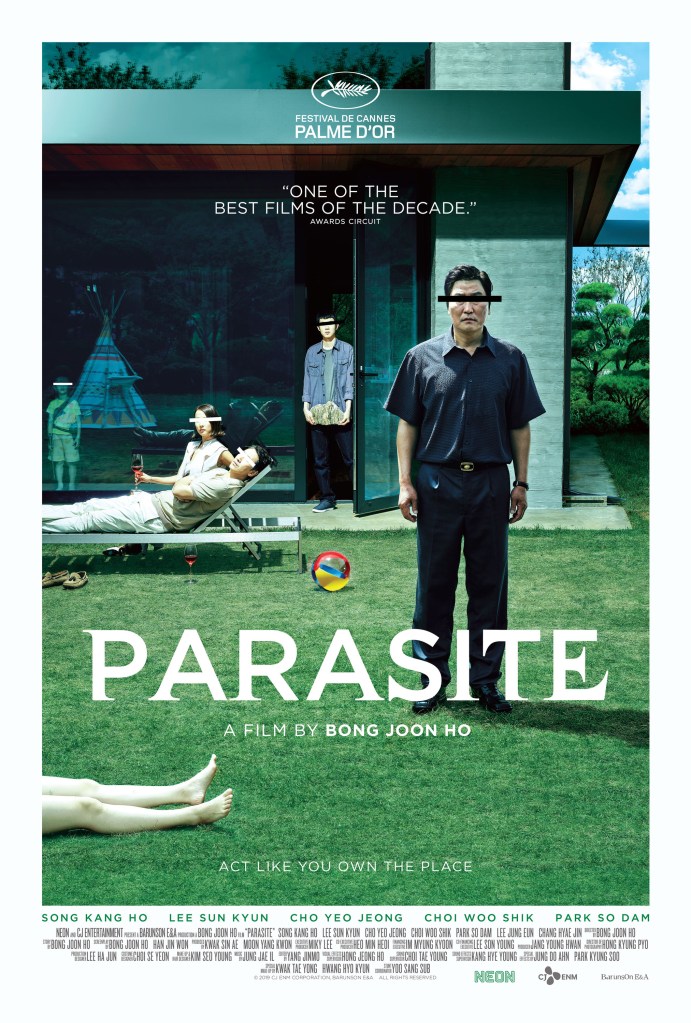
Not to spoil the rest of the list but Parasite is a fascinating entry on the list as it’s the only film here that won Best Picture at the Oscars (or the Palme D’or at Cannes for that matter.) So exciting was its win that in celebration, it made me throw my back out and be in quite a lot of pain while Bong Joon-Ho was grinning the happiest grin I have ever seen. The only thing that equalled his level of joy was mine after watching Parasite. Everyone loved to say that you should watch it knowing as little as possible but it was actually the rewatching that made this film reveal itself as an all time masterpiece. What initially appears to be an interesting thriller about how capitalism keeps us all down gets to develop into that kind of bonkers space that Korean thrillers are great at occupying (without needing to get into the extremity that other Korean films can often descend into.) It also feels like a weird compliment, but Parasite is the film that got a lot of people watching subtitled films for the first time in their lives. This opened a whole world of cinema up for a lot of people and for that alone, we should celebrate it. That doesn’t have to be the only celebration though because again, this film is awesome. If you still, still, haven’t seen it, just do it tonight. Please, you have no idea what a fun time you’re missing out on until you try.

6. Lady Bird

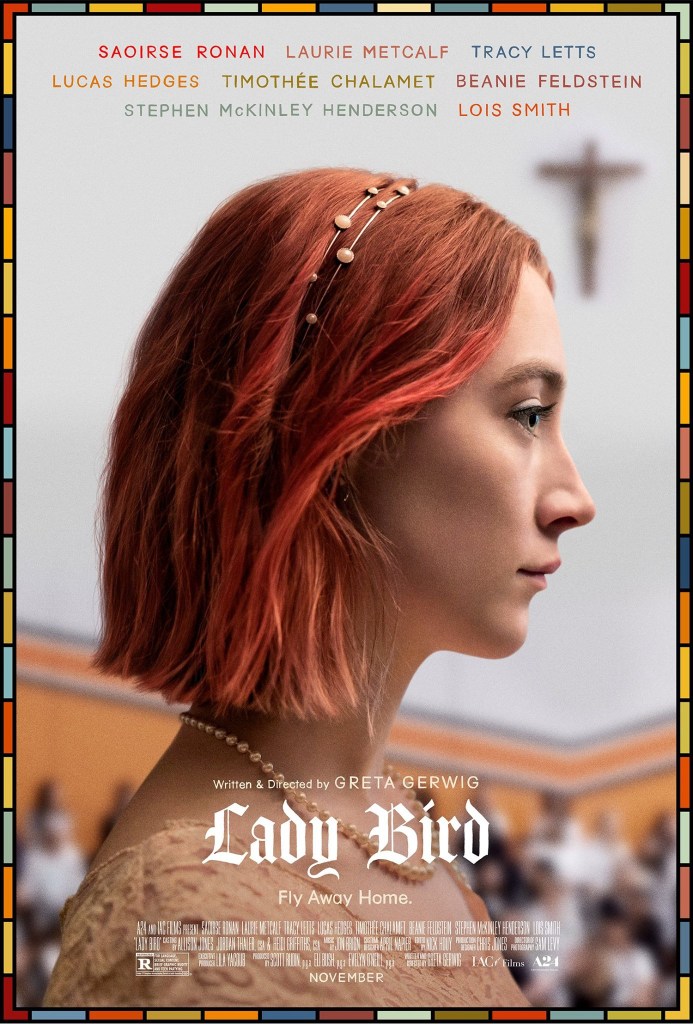
We’re entering a phase of very emotionally charged films that I am deeply connected to and will find tough to rationalise. First of them is Lady Bird. I saw this film at a very specific time in my life. To see a film about a young adult finding themself in the year before going to university in the year when I had myself just gone to university was somewhat shattering. Lady Bird’s world wasn’t mine, yet I felt like I belonged there. The way that Greta Gerwig, directing her first solo feature film, created a film full of love that itself inspired love is intangibly wonderful. Saoirse Ronan does very gentle work in the lead role too, being borderline imperceptible in crafting someone who is utterly and entirely believable. A huge debt is also owed to Jon Brion’s spritely score, which spends most of the runtime zipping us between scenes, before coming in with some last minute sucker punches. The easiest way of explaining the impact that Lady Bird had on me is by saying that it made me visit Sacramento. While in California on a holiday, I knew Sacramento had to be somewhere I visited and I spent my three days visiting as many of the beautifully unremarkable locations from the film as I could (as well as watching two of the other films on this list, Uncut Gems and a film yet to come!) For most, Lady Bird is a great film. For me, it will always be that little bit more special than for most.

5. Petite Maman

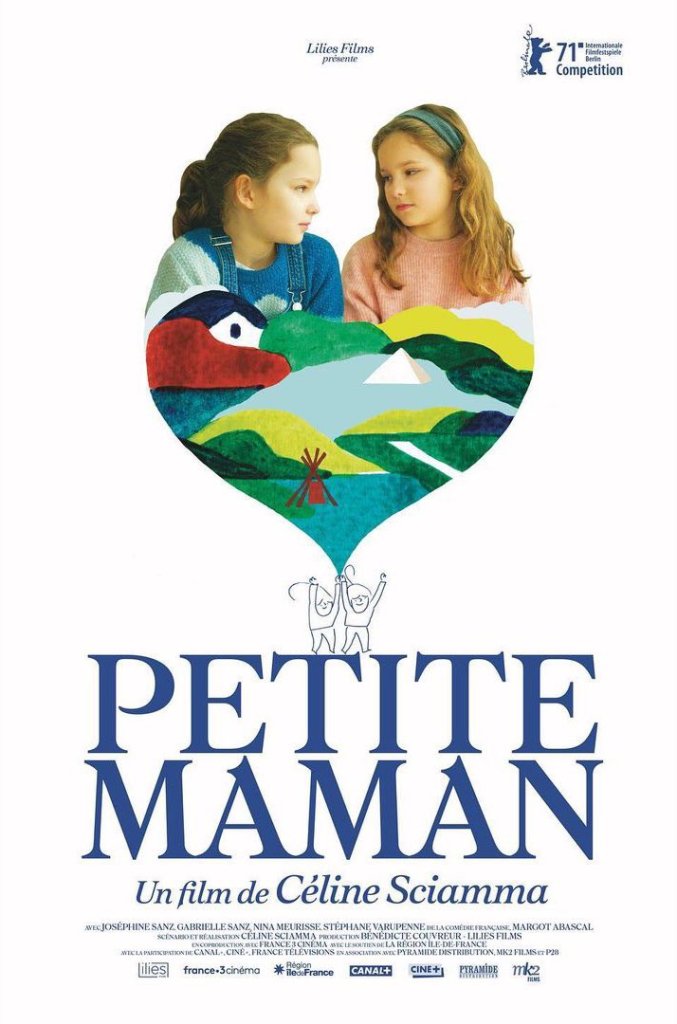
It was tough not to put Portrait of a Lady on Fire on the list, a film that attempts to rewrite film language and sculpt a new way of telling stories about neglected cinematic lives. What softened the blow for me was the unshakable knowledge that Petite Maman would absolutely be on the list. This film is special, genuinely. In less than 80 minutes, Celine Sciamma tells us everything about childhood, the intangible magic of the everyday and the strength of parental bonds across time. The story is simple. A young girl’s mother disappears after the death of the family matriarch and while wandering the woods, the young girl meets another almost identical young girl. As it turns out, this is a younger version of her own mother, brought here through means both mystical and unexplained, and the two spend the film hanging out with each other. They play, they go on adventures, nothing remarkable occurs whatsoever. Yet in that lack of the remarkable is where Sciamma strikes and the simple surface of the film allows a very deep emotional connection. The use of music is sparing but impactful once used, the cinematography presents a sci-fi concept in a fully believable way and I genuinely believe that this film has one of the single best cuts in any film since Lawrence of Arabia. Of all the films on this list, I think this is the film that may have passed you by and if so, it will take you no time at all to remedy it and make your heart overflow with love.

4. Arrival

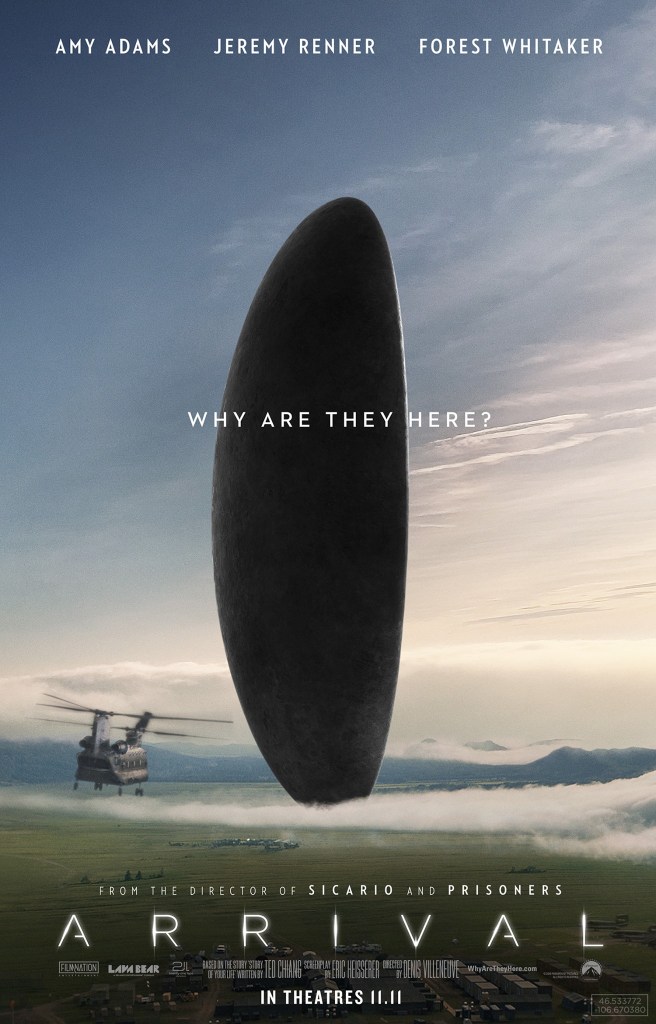
I was going to do a whole “Arrival is more than just a sci-fi film” thing, but I immediately want to shoot that down as an idea. Arrival is as great a film as it is precisely because it’s a sci-fi film, using the language of that genre to make grand and legitimately profound statements on language as a broader concept. If somehow, all these years after release, you still don’t know where Arrival takes its story, I won’t be the one to spoil it for you, it’s too much of a treat to interfere with. However, even if you did know the trajectory from the start (or if you picked up on the clues quicker than I did) the film is immensely satisfying, a colossal but exquisitely deatailed puzzle box that is aching to be opened. As I said, each piece is perfect. Amy Adams gives the performance of her career, Bradford Young’s cinematography perfectly compliments the design of the world and the structure is such a marvel that its Vonneguttian delights are bound to sneak up on you. When I first saw Arrival, I thought it was seriously impressive, an awesome film and one that gave me hope for the future of sci-fi (not for nothing, Villeneuve has become the face of go for broke sci-fi this past decade.) On reflection now, Arrival is special. It clarifies things for me. I understand what I want out of sci-fi because of it, I understand what I want out of stories because of it and I know what I want out of my life because of it. I also wail like a banshee because of it, in an ending that ironically only gets better the more I see it.

3. Little Women

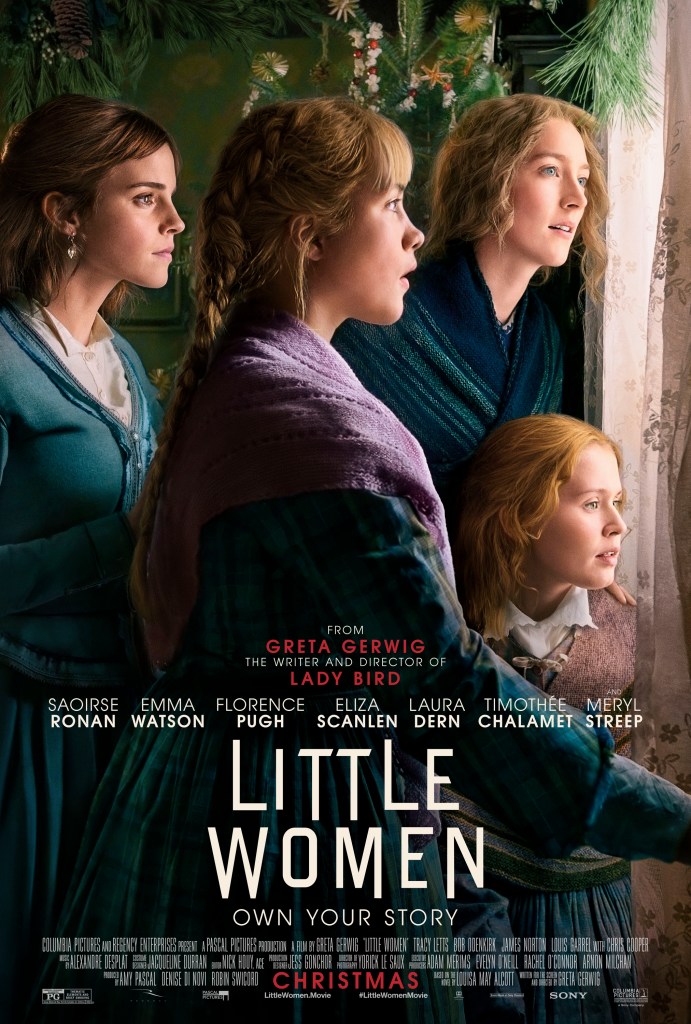
I’ve never cared for those deluxe recliner chairs that certain cinemas have. I think that they basically encourage you to think of comfort instead of thinking of the film you’re here for and promote a disinterest in anything beyond the experience of “luxury”. The one time I didn’t feel this was when I was watching Little Women in a recliner and was laid back in a way that meant I could cradle myself as the tears, the beauty and the sheer joy took over my body. For someone who instinctually rejects period dramas and has never read the Lousia May Alcott source novel, Greta Gerwig’s adaptation won me over within seconds. The way Gerwig changed the structure so that two time periods run alongside each other and allows for the maximum emotion at every single moment of the film is a simple change but one that becomes revelatory. Every moment of joy is maximised, every sorrow as bitter as can be, yet the world is perpetually exquisite. I genuinely don’t think there is any fifteen minute stretch I can make it through without crying, whether from sorrow or joy. Everyone is at a perfect pitch, all being a little too ridiculous for their worlds, all falling down just so perfectly onto each other. Saoirse Ronan is once again sublime as Jo, a character I still don’t know if I want to be or want to be with, Timothee Chalamet is the perfect level of pathetic and Florence Pugh gets to be stuck up in a way that never annoys. Words don’t really convey the fullest extent of the power Little Women holds. Even phrases like “my little women,” “and I’ll watch” or “I just think that women…” barely convey my point, though it doesn’t help that I get misty eyed just writing them. Women! Rad! I need to stop writing this one or I’ll be sobbing over a keyboard.

2. Paddington 2

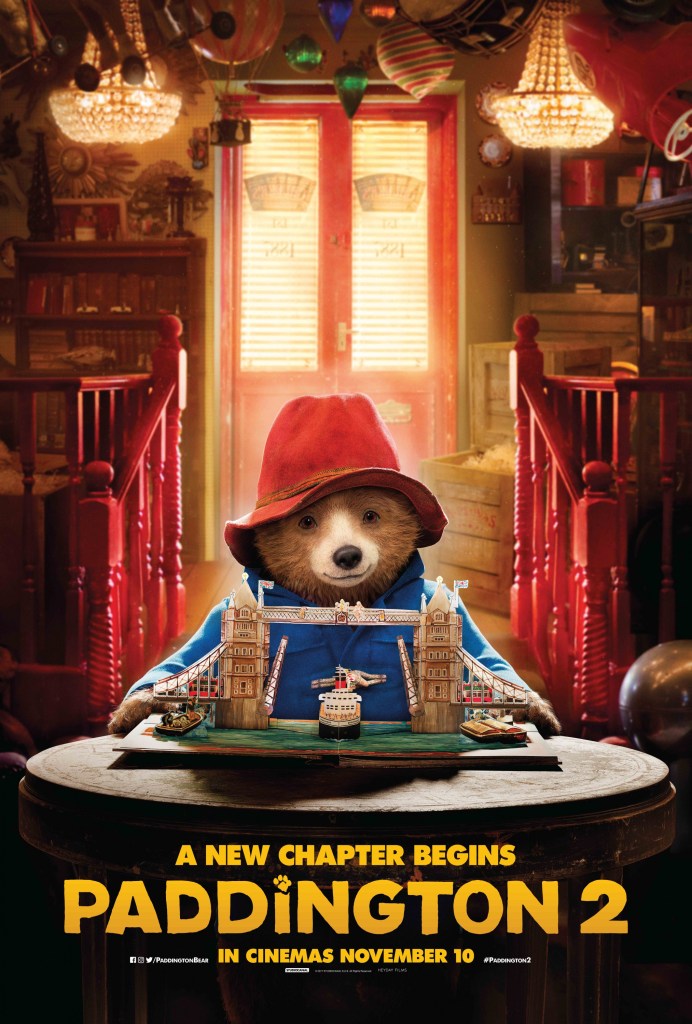
I remember the first time someone tried to tell me how good Paddington 2 is. It was my first year film lecturer and he was absolutely raving about it, coming into our seminar flabbergasted (flabbergasted in the way that only a man called Benedict can be flabbergasted) that none of us had seen it yet. This stuck in my head when the campus cinema had their screening and so with scepticism, I bought my ticket and took my seat. Safe to say, I’m not a sceptic anymore. What some would write off as a bit of a meme now, a nice film that’s unremarkable, is still secretly a genuine masterpiece. Paul King refused to let the shackles of the label “a film for children” stop him in making a film that has ranked (for me) above films by Scorsese, Fincher and Sciamma. The script is air-tight, featuring constant call backs to earlier in the film and refusing to let any end be loose by the end, helped by a game cast of “it’s them, from that” faces that are sure to delight every Brit. It also helps that the film is relentless in its ambition to spread joy, a pursuit that will moisten the eyes of the hardest sceptic. Once upon a time, that was me. Now I’ve talked about five films in a row that make me sob. In a very real way, Paddington 2 marked a changing point in how I view cinema. I abandoned my pretensions and opened my heart to films that I could otherwise have closed myself off from. If Paddington 2 had done that despite its quality I would still owe it a great deal. When it has changed me as a person and is a film of honest to God perfection? Well, it’s marmalade sandwiches and smiles all around.

1. Whiplash

Yeah yeah yeah, I talk about how much I love Whiplash all the time, grow up and get over it. It genuinely is that good and any scepticism on your part is your loss alone. I’ve rewatched Whiplash a few times now, always going in with the mindset of “well surely it can’t be as good as I remember, I’ve put too much pressure on it in my own head and it will now be merely fine.” Each time, I have been wrong. Whiplash is, on the surface, a thriller about a drummer chasing greatness and the lengths to which he’ll go for it. It’s a common trope, other films of the same era like Black Swan also had very good takes on this concept. While Whiplash does have some really strong and well realised themes though, it is as good as it is because it’s the best thriller I’ve ever seen. The tension is unbeatable, with even the lulls serving as moments that make the audience worry about what may happen next. Sharone Meir’s tight and sickly cinematography pair with the percussive pace that the drums give us, setting the stage for one of the all time great film performances. I am of course talking about J.K. Simmons as Fletcher, an unrepentant monster who pushes all of his students beyond breaking point. He is the great and eternal mystery that keeps the legacy of Whiplash alive, in that the constant question of the film is “why is he doing this?” and “is his cruelty worth the greatness?”

One of my favourite scenes in this film (of which there are many) is one in which Fletcher and our protagonist Andrew have a relaxed conversation at a bar. It’s a moment where Fletcher lets his guard down and starts to open up to Andrew about why he pushes his students like he does. Suddenly the mask comes off the monster and we can understand why he does what he does. Or so we think. Going into the final showdown, Fletcher once again turns on Andrew and the safety that we felt we had is cruelly revoked. It all builds into what I can confidently refer to as my favourite final scene of any film, a scene which I struggle to watch and not give a standing ovation to, cringe as it sounds. Damien Chazelle has done brilliant work since Whiplash (his masterpiece of mess Babylon could easily grow on me over the next few years) but he has never yet hit this level of perfection. His other films have had moments of perfection, perfect elements, but never since have they been so well wrapped in such a tight and satisfying ball, aimed directly at the viewers heart. Ten years on, there are still very few films as good as Whiplash, so lets hope that we can get even a hint of this cinematic brilliance from the next ten years.

As a bonus, how about some of my favourite TV, video games and albums of the past decade while we’re here?

TV

Twin Peaks: The Return – Call it TV, call it a long film, it doesn’t matter what you call it. Nothing has been the same since Twin Peaks: The Return and even after all this time, we are only just starting to see films and TV that have taken its radical message to heart.

O.J.: Made in America – Again, doesn’t matter how you categorise it, O.J.: Made in America is one of the best documentaries ever made. It has the sprawl and length of a great YouTube video essay but the rigour, research and restraint of a project from true professionals.

Nathan for You – Cringe comedy has never been quite this sublime, as Nathan Fielder stretches the boundaries of fiction and non-fiction in ways that are hilarious until they’re terrifying, before they lurch right back to hilarious.

The Traitors UK – It feels weird to put a reality show on this list, but when it’s as perfectly sculpted as The Traitors it’s tough to complain, especially when greeted with the joy of the normal people who populate the UK version. The plot twists in this would be outlandish if they were plotted but as unscripted TV it is dynamite, and a testament to the power of appointment TV.

Taskmaster – Five comedians get set a silly task and then get shouted at based on how badly they do. That’s the simple set-up of a comedy masterclass, in which no matter whether you’re presented with faces familiar or not, you are set to giggle loudly and constantly for a solid hour.

Albums

Melodrama by Lorde – Being nineteen is statistically speaking one of the hardest things in the world and that hyperbole exists entirely because of Melodrama. Lorde’s second record took all that was already great from her first and sent it into the stratosphere, in which every emotion could exist at its most powerful forever.

We Will Always Love You by The AvalanchesWe Will Always Love You feels like a mixtape that we sent into space for aliens to discover, in the hope that we can teach other lifeforms the variety of our experience on life. Across an hour of sensational songs, The Avalanches take us on an odyssey and it is one I have retaken over and over again.

brat by charli xcxbrat is the newest anything on this list, but I would feel stupid if I didn’t already describe it as an iconic album of this era. The brat era is only just getting going too, with new remixes always dropping, but if Melodrama was a defining album for my late teenage years, brat is a defining album for my mid-twenties.

Jubilee by Japanese Breakfast – I feel very safe when I put on Jubilee. After my friend George recommended it to me, I couldn’t stop listening. The album is beautiful and joyful, but also strangely sad in places unexpected. Every time I come back (and it is often) I find something brand new to love.

Be The Cowboy by Mitski – Like many people during the pandemic, Mitski did an Irish jig on my heart. For me, Be The Cowboy is her opus, an unstoppable bull in a china shop full of my emotions. I love it deeply and for my own safety, I cannot listen to it too often or I will start eating drywall.

Video Games

Disco Elysium – No world I’ve entered has been quite as well written as Disco Elysium, which is a relief as it’s a game built almost entirely of text. Like my favourite novels, it’s not so much scenes or characters that occupy my dreams, but an atmosphere, a feeling of growing dread and nausea in a world unlike our world in fewer ways than we hope.

Baldurs Gate 3 – Where Disco Elysium is amazing because it’s a dense world to pick apart, Baldurs Gate 3 is an equally dense world that positions itself as a play area. If you can dream it, you can do it, and you’ll be delighted to discover that everyone else who played it dreamed and did completely differently to you. Plus, how can you not love that rotating party that follow you through the game?

Slay the Spire – For sheer hours dropped, Slay the Spire rivals even Animal Crossing: New Horizons for me. This rouguelike deck builder has had many imitators but nothing has come as close to this perfection, through which I can constantly battle with a smile on my face.

Hades – Rougelikes have had a real moment in the past decade, with the crowning jewel being Hades. Supergiant Games took all their skill in character design, music and narrative and applied it to a gameplay loop that I got stuck in for a long time. To this date, my longest single session of gaming is for Hades, a blistering 13 hour day spent grinding the dungeons while I ignored Uni essays.

Mario Kart 8 Deluxe – For sheer joy, nothing beats Mario Kart and the deluxe release of Mario Kart 8 gave us everything we could want from the franchise. The racing was slick, the tracks were sick and it was immediately accessible to anyone whether this was their first or fiftieth race. It is perfection and a ninth game has a lot to prove.

Standard
Features

“For the Last Time” – Five Years of Twin Peaks: The Return

By now, you probably know me. I love Twin Peaks. It is a show that does things for me that even shows I love more cannot do. It’s also a show that I will take any excuse to talk about for annoying lengths of time and this time, that excuse is the five year anniversary of the release of the first two episodes of Twin Peaks: The Return. Let me set up what the angle is here then. This isn’t me reviewing all of The Return, this definitely isn’t me trying to explain what the show is about or what certain scenes mean, it’s just me talking about how I feel about these first two episodes after five years with them. I’ve seen the whole show twice before and am rewatching it again for this piece (and for a follow up one in September about the finale), so it’ll be a mix of me talking about things I’ve picked up this time and also reflecting on what it felt like back in that first summer of Twin Peaks. There will obviously be some spoilers for these episodes in the post, but by now you either have seen the show, will never watch the show or don’t click on articles where I chat Twin Peaks, I think we’re all clear.

We knew this would be the return of Twin Peaks. Anything more than that, you have to tune in.

In the run up to Twin Peaks making its grand return, we knew basically nothing about what the show was going to be. Eventually, we started to be drip fed information. One of the earliest and most curious pieces of information was a full cast list, which contained a bunch of surprising names. Monica Bellucci? Sky Ferreira? Michael Cera? It was odd and especially among the expected returning cast, a lot of these newer names stood out. What role they would play in the show we didn’t know but we knew to expect them around in some form or another. More cryptic teasers appeared in the run-up to release and offered just the barest of information about what was to come. First, it really was absolutely nothing, just footage of Angelo Badalamenti playing iconic music from the series, to the point where footage of David Lynch eating a donut felt like a big step up. Eventually, some of the final teasers gave us fleeting glimpses of iconic locations or characters from the original series and then, that was that. We knew this would be the return of Twin Peaks. Anything more than that, you have to tune in on 21st of May (or be at Cannes, but we can’t all be that lucky).

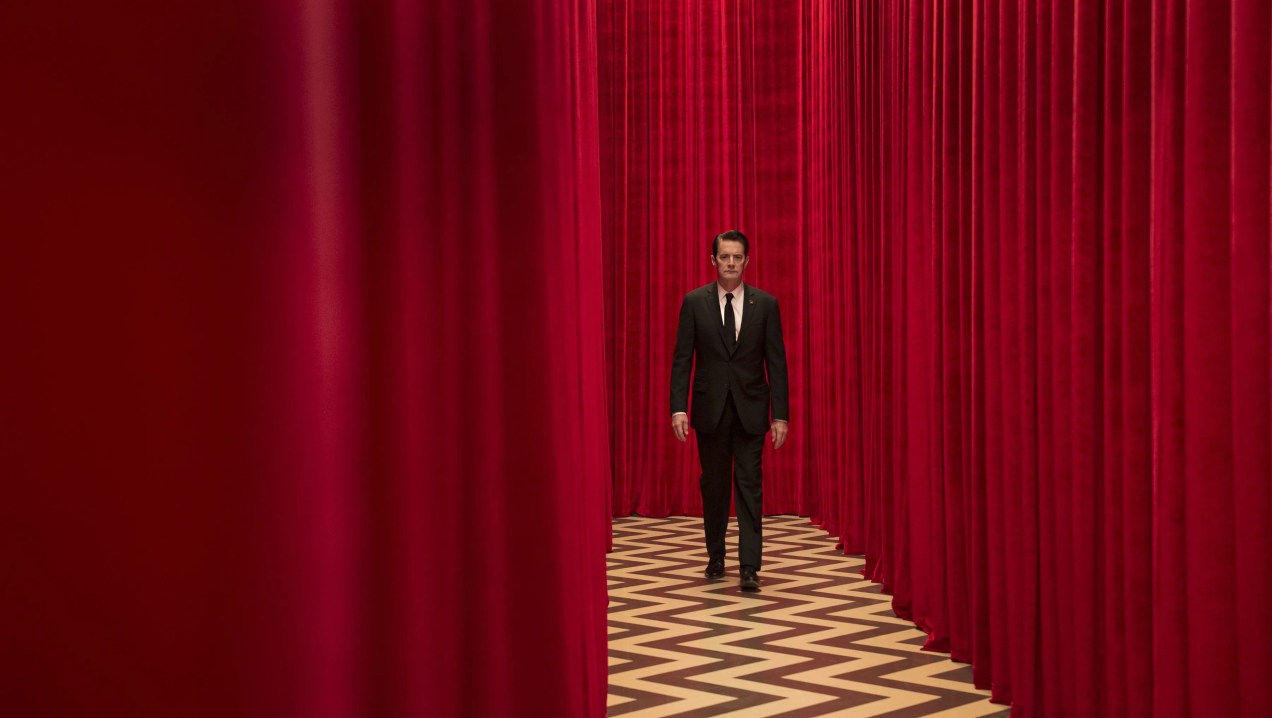
The first two episodes were released as one “feature length presentation”, which is why I’m clumping them together and though I really am going to try to not just talk this through scene by scene, I need to spend a moment on how well the opening sets us up. We open in the Black Lodge, the most iconic Twin Peaks visual there is. In fact, we open with footage from the original show, as Laura Palmer says to Agent Cooper “I’ll see you again in 25 years. Meanwhile…” Cut to, 25 years after we had last been in Twin Peaks, we are reunited with Coop and a character we will come to know as The Fireman. The Fireman gives both Cooper and the audience a series of clues that will help decipher the mystery, in a way that feels reminiscent of Lynch himself giving audience members clues to decipher Mulholland Drive. These clues all come back into play by the end of the series, but also don’t expect them to reveal the true hidden meaning or anything like that. They’re for exploration, not guiding. Coop says “I understand” but as an audience member, feel no shame if you don’t, whether on viewing one or five.

If this were a revival show in the same way that other classic shows have had revivals, we would immediately move from this into a scene of another beloved character getting up to classic hijinks. We kind of do, these early episodes have a surprising balance of that, but it isn’t quite that simple. The scene following the Fireman’s clues is one of Doctor Jacoby getting a delivery of spades. It’s odd in a way that Jacoby is odd, but not… Well, not immediately punchy. The payoff is worth the wait, but I remember initial confusion about why we were shown something that felt unsatisfying. The only immediately satisfying reunion is that of Ben and Jerry Horne, owners of the Great Northern Hotel. Little seems to have changed for them since the season two finale, with Ben still being a sleazeball who tries his best and Jerry being a guy who is free to goof around whenever he pleases. Other than with them, you’re going to have to wait for some really satisfying character moments. Once again, I cannot stress enough how much some of these moments justify their wait (a moment with Big Ed remains one of the most fantastically moving moments I’ve ever seen on TV), but don’t start The Return hungering for immediate comfort.

Things can never be as they were. We can never truly return home.

It’s one of the things that makes this revival such an impressive piece of work, because all our expectations are upended immediately and place us in total suspension. Things can never be as they were. We can never truly return home. Time’s arrow marches on with or without us. Nothing is as brutal a reminder of this as the appearance of The Log Lady. In real life, Log Lady actress and long time Lynch collaborator Catherine Coulson was battling cancer during the production of The Return and revived her character out of adoration for Lynch and Twin Peaks co-writer Mark Frost. There was no way of sugar coating this and so in the show too, The Log Lady is also battling cancer, requiring dialysis tubes and losing her hair due to chemotherapy. Her scenes are patient, as she says the last few messages her log needs to give the world and on the other end of the phone, Deputy Hawk listens with nothing but respect and love.

These scenes are still set in the otherworldly land of Twin Peaks but, as the best of Lynch’s work does, they ground fantastic worlds in understandable emotions; in this case, grief. Not every actor can return to Twin Peaks looking as glam and wonderful as ever, buoyed up by a little medical enhancement and a lot of good genetics. Not every actor can even return, like the much missed David Bowie and Jack Nance. And heartbreakingly, since the premiere of the show, we have lost yet more actors who brought their characters back for one last ride. There’s an argument to be made that because of this, The Return is a show forced half into mourning, which is never felt more strongly than in the absence or the imminent absence of those we have always loved.

Which leaves the question, what do we fill those spaces with? Lynch and Frost’s answer is, a huge world full of loads of other weirdness. In these two episodes alone, we dash between New York, Las Vegas and South Dakota in between our time in the town of Twin Peaks. That felt very weird for me on a first watch. The original run of Twin Peaks worked so well because while it gestured towards a larger world, it was almost always grounded in small town America, aggressively refusing to compromise on that vision. So in going out into the big city, had Lynch and Frost lost their spark? The answer, of course, is no. This isn’t a losing of a spark, just the two channelling their spark into a new circuit. We have good reason to be here, it just might take time before we work out what that reason is.

It might take time for some of those locations, but not New York. An enigmatic setup of a man, watching a box, itself watched by a series of cameras, is disrupted first by a sexual encounter and then by a violent one, as *something* (even now, I don’t have a great answer for what the something is) explodes through the box and murders the two lovers. Whether you know what this story means or not, you can grasp what the emotion means. We aren’t in the cutesy world of the original Twin Peaks series anymore, we’re in the world of David Lynch’s feature films, where sex and violence are hyperreal explosions perforating a surreal status quo. The freedom of modern TV means we don’t have to shy from gore or nudity anymore and Lynch is promising that he won’t. This is far closer to the griminess of Fire Walk With Me than even the darkest moments of classic Twin Peaks.

Sex and violence are hyperreal explosions perforating a surreal status quo.

While Lynch only directed a handful of episodes of the original Twin Peaks, he directed every single of the 18 episodes of The Return, which helps explain why it fits into this broader pattern of his filmography. For a caught up surrealism nerd like me, that was great news then and remains great news now. For those who wanted cutesy fun and a splash of murder, it’s also worth noting that Riverdale came out the same year, and may offer a watered down version of what you want. Because make no doubt, The Return is the show David Lynch wants to make. He doesn’t care if you understand it, he doesn’t care if you like it, he definitely doesn’t care if you think a scene is too long. You either have to take his world exactly as it is or accept that this isn’t for you. There is no shame in that, despite my Riverdale quip, this really is an acquired taste from episode one.

Once you have acquired that taste though? Oh my God, delicious! Re-watching the show, everything fits together so much more comfortably. I’m no longer worried about how (or if) everything will fit together, because I can see the bigger picture of the narrative. That feeling allows moments to really breathe. Comedy can be funnier, scares can be scarier and Matthew Lillard can be more Matthew Lillard. I wanted to talk about him (in my notes this section was just about him) but I had to tie him in to a wider thing somehow. I love his performance in The Return, fitting into the classic trope of a man accused of a murder he’s sure he didn’t commit, a role that offers such delicious room for him to flex the acting muscles.

When I first saw this episode, Lillard was just Shaggy from Scooby Doo for me (an admittedly great time, no slander here), but now that I’ve seen him in films like Scream, I have a better appreciation for him as a performer. The guy is crazy versatile and if you too only know him from those crazy roles in the nineties and early noughties, just watch his scenes from this on YouTube and prepare to have your socks knocked off. He is frightened, forceful and furious in incredibly subtle ways, balancing on the edge of about six different knives. Lillard gives one of the best performances in The Return and the more you see of the show, the more you’ll realise what an immense compliment that is. If you had any fears about what new characters might do to pollute a world you loved, he assuages them immediately.

“Shadow” evokes a comfort in me that everything will be alright, yet it still allows an excitement about the uncertainty to come.

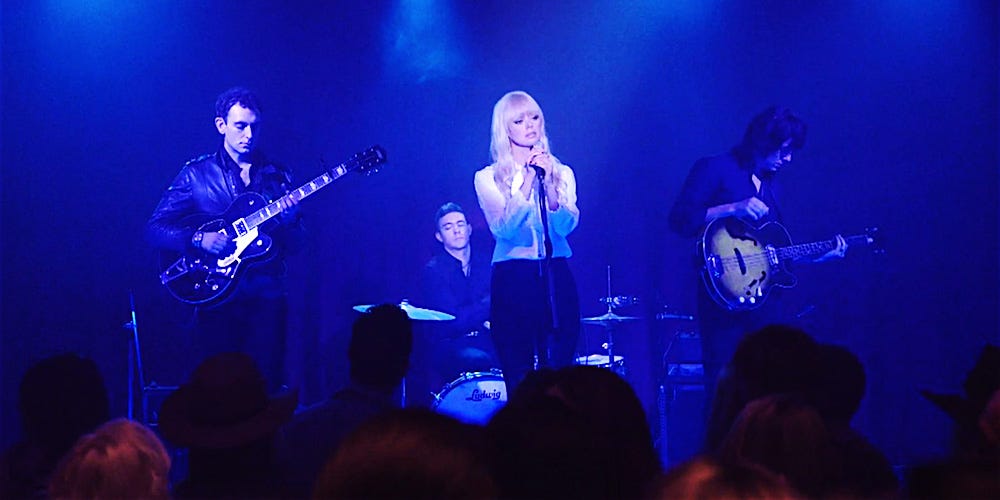
And finally, after a very bonkers two hours, we reach the end of the episode. We’ve watched the Black Lodge tear itself apart (a metaphor so perfect I’m furious I never wrote an academic essay on it), seen old friends show their age and also been introduced to the new threads that we’ll spend the next 16 hours following, probably. So we have earnt one last return to Twin Peaks and where better to cool down than The Road House or, as it has now been trendily updated to, The Bang Bang Bar. Playing at the bar are the band Chromatics with their song “Shadow”, a song that now never fails to give me goosebumps. It is quietly and ethereally beautiful, excellent in ways that I am far too stupid to actually explain other than “it fits the vibe very well”. The song evokes a comfort in me that everything will be alright, yet it still allows an excitement about the uncertainty to come. There are plenty of other amazing songs played in The Road House, but “Shadow” is the perfect one for this moment.

In this scene, we also get one last reunion, as we are reunited with Shelly and James, two of the characters from the original series with the most screen time. Here we find Lynch and Frost at their sappiest, allowing two characters to reminisce. Though it was pretty much immediately made fun of by many fans, Shelly’s line “[James] has always been cool” always landed for me. It’s a lie, but a lovely one to indulge in, a rare moment where The Return does feel like the show fans expected it to be. Even this is undercut though by the appearance of actor Walter Olkewicz, last seen 26 years ago as Jaques Renault, a character who died. Why is he here? Is this the same character? Perhaps The Road House exists in a different world than the rest of the show? These three questions will never get conclusive answers, yet their appearance is the needed salt to undercut the sweetness of Shelly’s comment about James. No matter what it looks like, this will not be the return you expect from Twin Peaks.

There was so much just in these two episodes that I never got to mention. The first appearance of a woodsman, the brilliant use of uncanny CGI and the excellence of Kyle MacLachlan in two of what will eventually be four roles. The Return is so dense that after five years, it doesn’t feel like we’ve come close to finding everything and yet it is also so well balanced that this density is never cumbersome. Regardless, at this point you have to go along for the ride that Lynch, Frost and all their collaborators are taking you on, because the places they are going are wonderful and strange. I’ll be back in September to talk about the last two episodes so if you’re looking for my thoughts on the stuff in the middle, just message me, talk to me, demand my ever-so-interesting thoughts on the way “Episode 8” fits in with a globally surreal vision of the impact of the atomic bomb. But until then, I’ll write on something more accessible, I promise. Maybe another review, remember those?

Standard